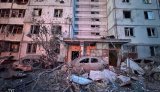
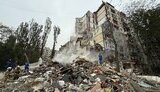
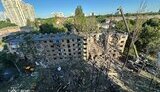
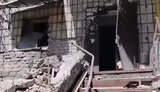
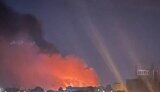
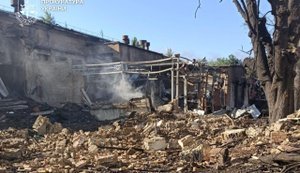
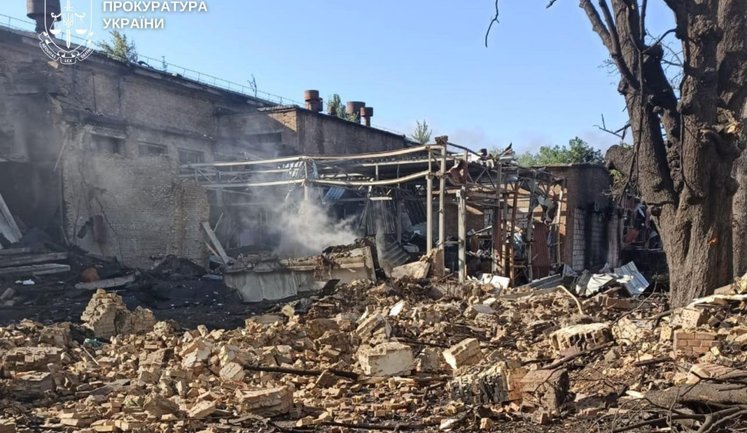
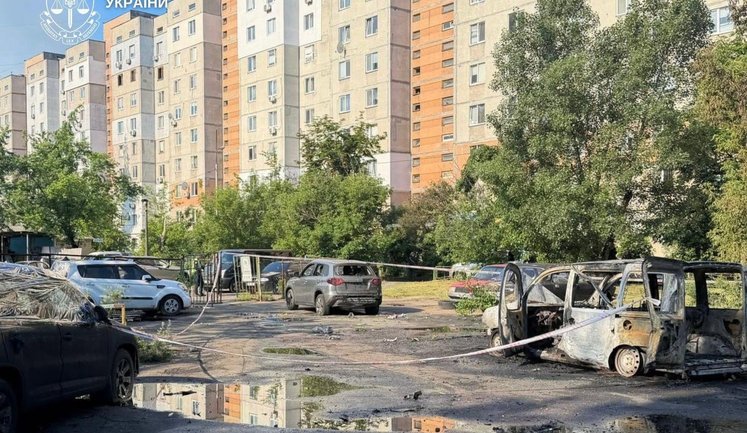
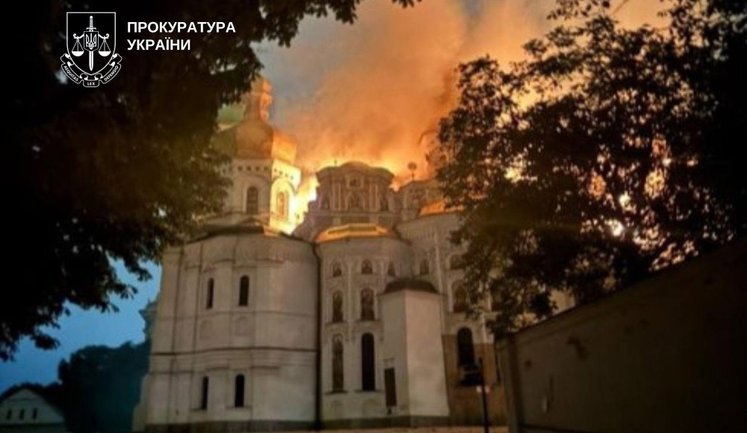
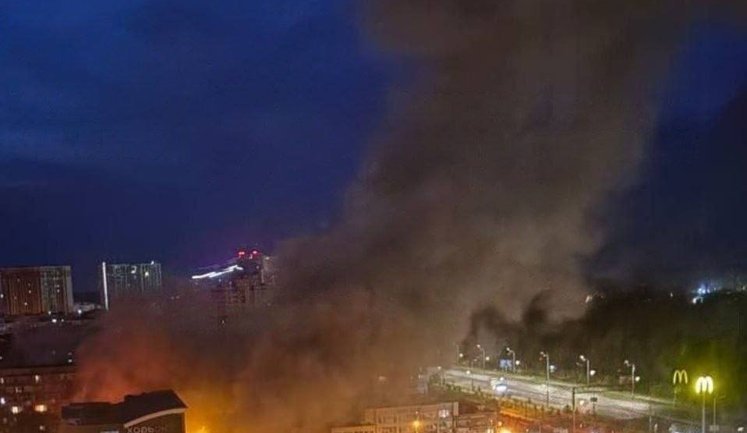
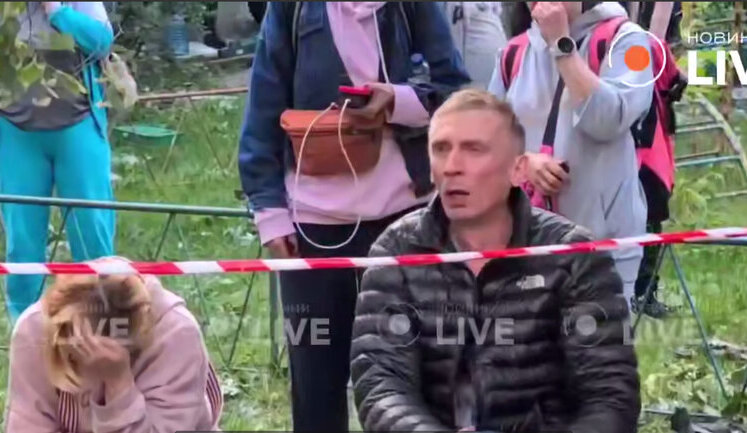
The city of Kyiv has faced repeated missile and drone attacks from Russian forces, severely impacting infrastructure and civilian life. High-rise buildings, utilities, and services have been hit, resulting in extensive power, water, and heat outages. Recently, satellite footage captured dramatic views of the attacks, giving a unique perspective on the destruction. Kyiv's mayor, Vitali Klitschko, warns of a looming humanitarian crisis as thousands are left without essential resources. Air defenses have been strained, with successes like downing nine Kh-22 missiles, but the frequency and intensity of attacks continue to challenge the city’s resilience.
What are the consequences of missile attacks on Kyiv?
The missile attacks on Kyiv have caused significant damage to infrastructure, including residential buildings and civilian amenities, leading to heating, water, and power supply disruptions. The attacks have also resulted in casualties, injuries, and a mounting humanitarian crisis as authorities scramble to restore essential services.
How is Kyiv’s infrastructure coping with the ongoing attacks?
Kyiv’s infrastructure has been severely strained by repeated Russian missile and drone attacks. The city faces significant challenges, with thousands of residents experiencing power outages, heating shortages, and water supply interruptions. Emergency services and municipal workers are working tirelessly to repair damages and restore services as quickly as possible.
What has been the response of Kyiv’s leadership to the attacks?
Kyiv's leadership, led by Mayor Vitali Klitschko, has been proactive in addressing the crisis. They have provided regular updates on the situation, coordinated rescue and repair operations, and issued advisories to residents. Klitschko has also warned of potential humanitarian issues due to ongoing infrastructure challenges.
How are residents coping with missile attacks on Kyiv?
Residents of Kyiv have been resilient despite the challenges posed by the missile attacks. Many have had to adapt to frequent utility outages and threats of new attacks. Support networks and community efforts have been crucial, with many relying on emergency services and initiatives to aid those affected by the disruptions.
What is the international reaction to the missile attacks on Kyiv?
International reactions have been strong, with widespread condemnation of the attacks. Governments and organizations have expressed solidarity with Ukraine, providing support and resources to help address the humanitarian needs arising from the attacks. Efforts to garner global awareness and pressure on responsible parties continue.