ENG




13227 visitors online
Amidst ongoing military confrontations, Ukraine has been bolstering its defenses with new infantry fighting vehicles (IFVs). In early 2026, German Rheinmetall began delivering Lynx KF41 IFVs, adding to Ukraine's armored capabilities. The battlefield strategies involving these vehicles are becoming increasingly evident, with significant successes illustrated by Ukrainian forces. Notable instances include the destruction of Russian IFVs, strategic use of drones, and the crucial role of Ukrainian mechanized brigades. Such developments highlight the evolving landscape of conflict and the importance of IFVs in modern warfare tactics.
What impact do Infantry Fighting Vehicles (IFVs) have in the Ukraine conflict?
IFVs, such as the Lynx KF41 and Bradley vehicles, are pivotal in enhancing mobility and protection for troops. Their ability to provide firepower and maneuverability makes them essential in repelling assaults and supporting infantry in various combat scenarios within Ukraine.
How have Ukrainian forces utilized drones against enemy IFVs?
Ukrainian forces have effectively employed UAVs and kamikaze drones to target enemy IFVs, achieving strategic strikes that degrade enemy capabilities. These drone tactics have led to significant destruction of enemy machinery and personnel, showcasing the synergy of technology and strategy in modern warfare.
What are the latest updates on IFV deliveries to Ukraine in 2026?
In early 2026, Ukraine received its first batch of Lynx KF41 IFVs from the German company Rheinmetall. These state-of-the-art IFVs are expected to enhance Ukraine's ground combat capabilities significantly, contributing to their ongoing defense efforts against opposition forces.
How have mechanized brigades in Ukraine performed with IFVs?
Ukrainian mechanized brigades have effectively utilized IFVs to bolster their defensive and offensive operations. By deploying IFVs in various theatres, these brigades have successfully repelled assaults and destroyed significant enemy equipment, exemplifying the IFVs' role in Ukraine's military strategy.
What strategic advantages do IFVs provide in conflict zones like Ukraine?
IFVs offer strategic advantages such as enhanced troop mobility, increased protection against small arms fire, and the ability to deliver counterattacks with mounted weapons. These vehicles allow for quick adaptation to dynamic battlefield conditions, making them invaluable in the ongoing conflict.
Are there any notable incidents involving IFVs in recent military operations in Ukraine?
Numerous incidents have been reported where Ukrainian troops effectively used IFVs and drones to destroy Russian armored vehicles. Notably, the introduction of advanced IFVs like the Lynx KF41 has improved Ukraine's operational effectiveness and strategic depth in ongoing military engagements.
News IFV
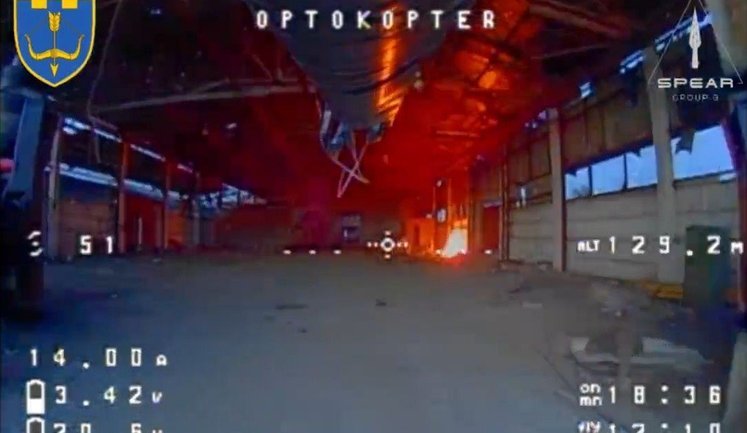
 Drone operators from 118th Brigade of Territorial Defence Forces burned down hangar containing three IFVs ahead of planned enemy assault. VIDEO Drone operators from the 118th Separate Territorial Defence Brigade struck a hangar containing the occupiers’ equipment. 3 776 3 Previously in trend: Destruction of Russian equipment
 "Hurry up, they’ll tear us apart now": ruscist films FPV drone strike on BMP-2 carrying infantry. VIDEO A video has been published online showing a ruscist filming the moment a Ukrainian FPV drone hit a Russian BMP-2 carrying infantry. 9 977 10 Previously in trend: Destruction of Russian equipment Elimination of Russian occupying forces Repelling assault
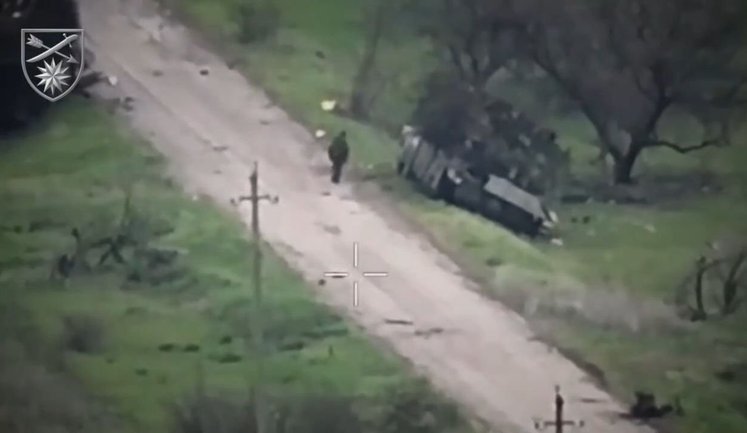
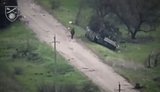 Occupier hid in destroyed IFV but was roasted inside vehicle by drones of 66th Separate Mechanized Brigade. VIDEO Pilots of the 66th Separate Mechanized Brigade, named after Prince Mstyslav the Brave, eliminated an occupier who tried to hide in a destroyed Russian IFV. 5 269 2 Previously in trend: Drones against occupiers Elimination of Russian occupying forces
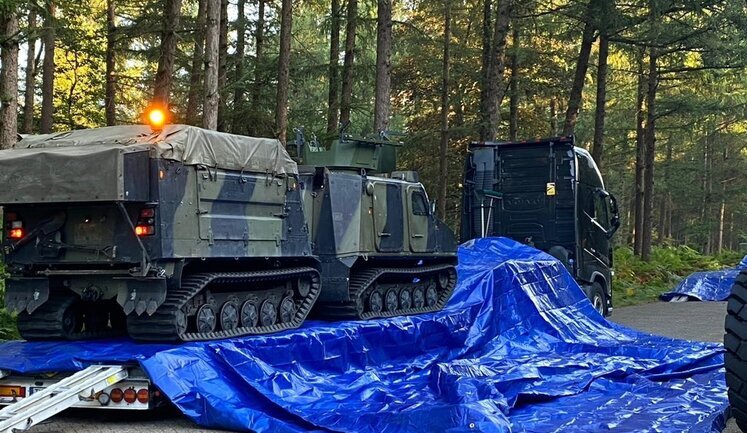
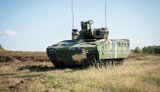 Ukraine is expected to receive its first Lynx KF41 IFVs in early 2026, - Rheinmetall German defence company Rheinmetall announced the delivery of the first five Lynx KF41 infantry fighting vehicles to Ukraine at the beginning of this year. 2 933 8 Previously in trend: Lynx KF41 IFV by Rheinmetall
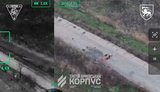 "FATUM" and Third Army Corps destroyed Chinese MLRS along with the occupiers’ personnel. VIDEO Pilots of the Third Army Corps accurately struck the enemy's Chinese multiple launch rocket system in the Lyman direction. 8 167 12 Previously in trend: Drones against occupiers Destruction of Russian equipment Elimination of Russian occupying forces Elimination of Russian occupiers Destruction of the occupiers’ firing positions
 Two direct hits on Russian IFV with occupier assault troops. VIDEO The occupiers’ attempted assault ended before they even managed to launch their advance. The infantry never even got out of their armoured vehicle, the first strike hit the infantry fighting vehicle (IFV) almost immediately. 9 624 10 Previously in trend: Destruction of Russian equipment
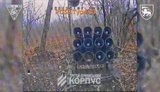 Ukrainian Third Army Corps troops destroy occupiers’ Chinese-made Type-63 MLRS. VIDEO Drone operators of the Third Army Corps’ FATUM unit of the 60th Separate Mechanized Brigade have used strike UAVs to destroy Russian equipment and personnel. 5 316 12 Previously in trend: Drones against occupiers Destruction of Russian equipment Elimination of Russian occupying forces Elimination of Russian occupiers
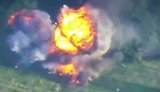 Powerful detonation of BMP-2 ammunition after being hit by FPV drone - Kharkiv direction. VIDEO In the Kharkiv direction, Ukrainian FPV drone operators delivered a precise strike on an enemy BMP-2 armoured vehicle, followed by a powerful secondary detonation of the ammunition. 6 629 6 Previously in trend: Destruction of Russian equipment
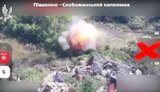 Minus 35 pieces of equipment and 74 dugouts of occupiers: combat work of National Guard in 24 hours. VIDEO Over the past day, National Guard units destroyed 35 pieces of enemy equipment: 2 914 2 Previously in trend: Destruction of Russian equipment Destruction of the occupiers’ firing positions
 Border guards repel enemy assault in Donetsk region: 14 vehicles and 50 Russian troops taken out. VIDEO The Phoenix Border Guard unit repelled the occupiers` assault and destroyed their equipment in the Donetsk region. 3 508 3 Previously in trend: Drones against occupiers Destruction of Russian equipment Elimination of Russian occupying forces Elimination of Russian occupiers Repelling assault
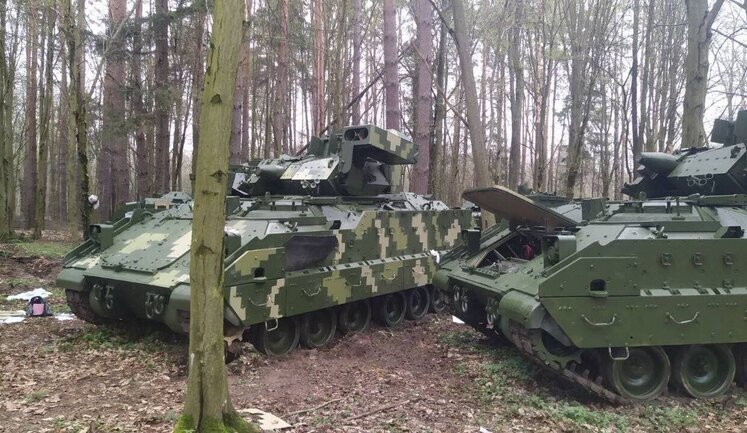
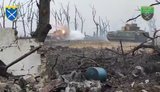 Ukrainian Bradley crew destroys Russian IFV at close range. VIDEO The crew of a Ukrainian Bradley infantry fighting vehicle opened fire at point-blank range on a Russian IFV and destroyed it. 11 474 12
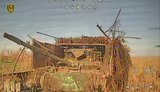 Repelling assault in Siversk direction: 2 tanks, 3 IFV, 11 motorcycles and Russian infantry units destroyed. VIDEO Units of the 54th Mechanised and 81st Airmobile Brigades of the Armed Forces of Ukraine successfully repelled an attempted assault by the Russian military in the Siversk direction. 2 305 2 Previously in trend: Destruction of Russian equipment
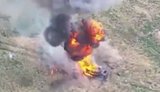 Russian IFV explodes powerfully after strike by drones of 33rd Mechanised Brigade. VIDEO The drone operators of the 33rd Separate Mechanised Brigade caught a Russian infantry fighting vehicle moving towards Ukrainian positions. The catastrophic detonation of the enemy vehicle is attached. 3 922 10 Previously in trend: Drones against occupiers
 Azov stops attempt to seize Katerynivka, destroys 5 IFVs with Russian troops. VIDEO The enemy made another unsuccessful attempt to seize Katerynivka in the Toretsk sector but was detected by fighters of the 5th Battalion of the 12th Azov Brigade of the National Guard. Five infantry fighting vehicles carrying Russian troops, eight in each, tried to break through to the outskirts... 7 356 18 Previously in trend: Destruction of Russian equipment
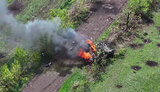 414th USF Brigade pilots stop Russian tank and incinerate two occupiers’ IFVs. VIDEO FPV drone pilots from the WORMBUSTERS unit of the 414th USF (Unmanned Systems Forces) Brigade stopped a Russian tank and destroyed two occupiers' IFVs. 2 827 2 Previously in trend: Destruction of Russian equipment
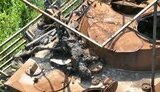 Сharred occupier’s body on armour of burned Russian armoured vehicle. VIDEO 18+ A video was posted online showing a Russian armoured vehicle being burnt. 9 669 30 Previously in trend: Destruction of Russian equipment Elimination of Russian occupying forces
 American Switchblade 600 drones destroy Russian convoy - tank and three IFVs. VIDEO Soldiers of the "Charlie" Company of the 14th Separate UAV USF Regiment used American Switchblade 600 drones to destroy a Russian tank and three infantry fighting vehicles moving in a column along a forest in Donetsk region. 14 624 10 Previously in trend: supply of drones weapons supplies
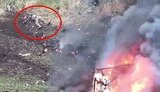 Occupier’s body lying near IFV set on fire by Ukrainian drones. VIDEO 18+ Drone operators of the WORMBUSTERS unit of the 414th UAV Brigade "Birds of Magyar" destroyed an enemy infantry fighting vehicle in Donetsk region. 8 761 11 Previously in trend: Situation in the Donetsk region
 Operators of Bombus Group drone unit destroyed two BM-21 Grad MLRSs, two tanks, and two IFVs. VIDEO Drone operators from the Bombus Group unit destroyed six Russian military vehicles - two BM-21 Grad MLRS, two tanks and two IFVs. 2 055 1 Previously in trend: Destruction of Russian equipment
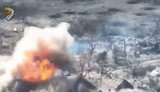 Explosion of enemy infantry fighting vehicle with Russian soldiers on anti-tank mine. VIDEO During another unsuccessful attempt to storm Ukrainian positions, the enemy suffered significant losses. 6 723 8 Previously in trend: Situation at front
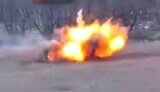 IFV vehicle with Russian assault troops explodes on anti-tank mine. VIDEO A video showing an explosion on an anti-tank mine of a Russian infantry fighting vehicle with assault troops was posted online. 9 102 16 Previously in trend: Destruction of Russian equipment
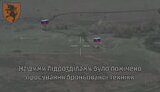 Soldiers of 43rd SMB routed convoy of enemy troops advancing to storm their positions: tank, three IFVs, BTR-80 were destroyed. VIDEO In the Kupiansk direction, fighters of the 43rd Separate Mechanised Brigade (SMB) routed a convoy of occupiers' troops who were storming the positions. 6 164 2 Previously in trend: Situation at front
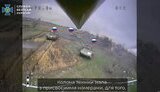 SSU FPV pilots "took to pieces" 5 occupiers’ infantry fighting vehicles, 3 Grad systems, and commander’s Land Cruiser. VIDEO The SSU Special Operations Centre "A" continues to destroy enemy equipment. The warriors proved that the Russian defence system does not protect the occupiers from our FPVs. 5 452 2 Previously in trend: Situation at front Destruction of Russian equipment
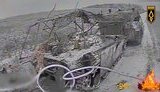 Ukrainian troops destroy tank, 2 IFVs, and armoured personnel carrier in Kupiansk sector. VIDEO Fighters of the 429th Separate Regiment of Unmanned Systems "ACHILLES" dealt a devastating blow to Russian armored vehicles in the Kupyansk direction. 1 900 2 Previously in trend: Situation at front
 Russian BMP-3 with airborne troops, moving towards positions of 66th SMB, is burning on road. VIDEO Soldiers of the 66th Separate Mechanized Brigade (SMB) named after Prince Mstyslav the Brave destroyed an enemy BMP-3 with airborne troops during an attempted assault on Ukrainian positions in the Lyman direction. 7 734 6 Previously in trend: Situation at front
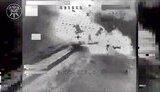 Destruction of enemy BMP-2: detonation of ammo load after running over mine was captured by drone. VIDEO In the Kupiansk direction, a Russian BMP-2 infantry fighting vehicle ran over an anti-tank mine, triggering the detonation of its ammo load. The moment of the explosion was captured by a Ukrainian FPV drone in flight to its target. The powerful detonation completely destroyed the combat vehicle... 7 739 21 Previously in trend: War
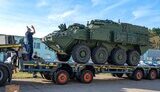 Canada to hand over 25 LAV III infantry fighting vehicles and 4 F-16 trainers to Ukraine, - Trudeau Canadian Prime Minister Justin Trudeau said that the country would donate 25 IFVs to Ukraine, as well as simulators for F-16s. 3 562 6 Previously in trend: Aid to Ukraine
 Soldiers of 3rd SAB repelled assault by occupiers and destroyed two Russian IFVs in Kharkiv region. VIDEO The Russian invaders tried to storm the positions of the soldiers of the 3rd Separate Assault Brigade in Kharkiv region with a tank and two IFVs. 4 368 4 Previously in trend: War
 Defense forces destroyed invaders’ IFVs, armored personnel carriers, and MTLBs in Kupiansk direction. VIDEO Border guards of the company of strike unmanned aerial system "Phoenix" of the "Revenge" Brigade destroyed an IFV, APCs, and an MT-LB of the occupiers in the Kupiansk direction. 4 800 3 Previously in trend: War
 Soldiers of 17th SHMB destroyed 6 infantry fighting vehicles, tank, eliminated enemy infantry and positions in Kursk region. VIDEO Soldiers of the 17th separate heavy mechanised brigade named after Kostiantyn Pestushko in the Kursk region destroyed 6 armoured personnel carriers and a tank. The soldiers also eliminated enemy infantry and attacked Russian positions. 4 230 1 Previously in trend: War
 Detonation of Russian armoured vehicle’s ammunition in Kupyansk sector as result of accurate attack by our troops. VIDEO Over the past week, soldiers of the "Phoenix" Brigade's "Pomsta" unit destroyed a Russian 2S9 "Nona-S" self-propelled artillery system, 3 tanks, and 2 infantry fighting vehicles in the Kupyansk sector. 8 550 2 Previously in trend: War
 Eliminated occupiers lie around their destroyed infantry fighting vehicle. VIDEO A video showing the destruction of an enemy infantry fighting vehicle and the elimination of Russian attack aircraft was published online. 11 283 14
 Ukrainian troops halted enemy assault in Kupiansk direction and destroy 2 tanks, IFVs and MTLB. VIDEO Soldiers of the Achilles Strike UAV Battalion of the 92nd Brigade, together with the Guardsmen of the 1st Burevii Brigade and paratroopers of the 77th Brigade, destroyed and damaged 7 units of Russian military equipment. 3 661 3 Previously in trend: War
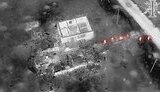 Special Operations Forces soldiers, supported by Bradley infantry fighting vehicles, clear enemy cover. VIDEO The pilots of the UA REG Team unit of the Special Operations Forces successfully coordinated the actions of infantrymen, FPV drone operators and the crew of the Bradley infantry fighting vehicle to clear the enemy's hideout. 6 962 3 Previously in trend: War
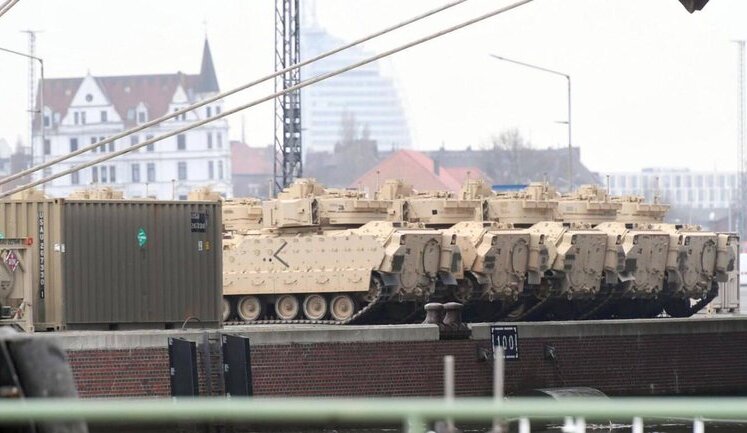
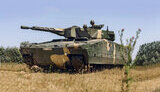 Rheinmetall hands over first Lynx IFV to Ukraine At the end of 2024, the German defense company Rheinmetall handed over the latest KF41 Lynx infantry fighting vehicle to Ukraine. 10 948 53
 Kamikaze drone strike on enemy vehicle causes column of fire to cover field in Pokrovsk sector. VIDEO Soldiers of the 59th Separate Motorised Infantry Brigade struck at the equipment and positions of the Russian invaders in the Pokrovsk direction. 10 922 3 Previously in trend: War
 Tankers of 60th Separate Mechanized Brigade stop another enemy offensive and destroy occupiers’ armoured vehicles. VIDEO On the eve of the New Year, the enemy decided to increase pressure on the positions of the 60th Separate Mechanised Brigade, throwing another "portion of meat" into the battle under the cover of infantry fighting vehicles and a tank. The brigade's combat units fought back, leaving the enemy with... 5 414 4 Previously in trend: War
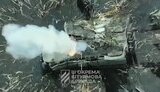 Destruction of Russian infantry fighting vehicle by precision kamikaze drone attack into open hatch. VIDEO A Russian infantry fighting vehicle was moving towards the positions of the 3rd Separate Assault Brigade, but got stuck in the mud. Thanks to the FPV drones, the infantry fighting vehicle was destroyed, and the Russian invaders were eliminated by artillery and ammunition drops from the drone. 4 167 4 Previously in trend: War
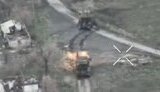 Drone operators from 110th Brigade destroy three enemy tanks, infantry fighting vehicle and repel attack in Donetsk Oblast. VIDEO Drone operators from the 110th Brigade named after Lieutenant General Mark Bezruchko destroyed three Russian tanks and an infantry fighting vehicle that were trying to storm Ukrainian positions in Donetsk region. 4 841 1 Previously in trend: War
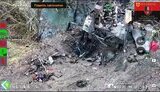 Burnt bodies of Russian invaders lying near destroyed IFV in Kharkiv region. VIDEO In the area of Petropavlivka in Kharkiv region, soldiers of the 2nd Mechanised Battalion of the 30th Separate Mechanised Brigade successfully destroyed a Russian infantry fighting vehicle with its crew. 9 397 10 Previously in trend: War
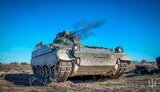 Ukraine will receive 20 additional Marder infantry fighting vehicles from Germany in first half of 2025 The German concern Rheinmetall has received an order to supply 20 more Marder infantry fighting vehicles to Ukraine as part of military assistance. The delivery is scheduled for the first half of 2025. 1 682 12 Previously in trend: Aid to Ukraine
 Soldiers of 63rd Brigade repelled enemy assault, destroyed "tank shack", two armored personnel carriers and eliminated 20 occupiers. VIDEO At the positions of the 63rd Separate Mechanised Brigade, another assault by Russian invaders ended in the enemy's elimination. 6 549 7 Previously in trend: War
 Soldiers of Inhulets Brigade destroyed IFV-2 of Russian invaders. VIDEO Soldiers of the 97th separate mechanised battalion of the 60th separate mechanised Inhulets brigade destroyed an enemy IFV-2. 2 455 2 Previously in trend: War
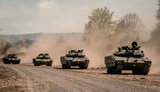 Sweden and Denmark to purchase more than 200 CV90 IFVs, including 40 for Ukraine Sweden and Denmark have signed a contract with BAE Systems Hägglunds for the purchase of 205 CV9035MkIIIC armored combat vehicles. Some of them will be transferred to Ukraine. 1 596 3 Previously in trend: Aid to Ukraine
 Border guards targeted enemy IFV with fire in Vovchansk direction. VIDEO In the Vovchansk direction, an enemy IFV tried to approach the border guards' positions. Artillery and attack drones of the Forpost brigade targeted the armored vehicle with fire. The occupiers themselves fled, leaving their equipment behind. 2 839 0 Previously in trend: War
 Defense forces repelled enemy assault, destroying 3 enemy infantry fighting vehicles and eliminating 29 occupiers in Kharkiv region. VIDEO On 30 November, in the morning, Russian troops made an unsuccessful attempt to storm the positions of the 13th operational brigade of the National Guard of Ukraine 'Charter' in the Kharkiv region. The attack was carried out by more than a platoon of enemy infantry supported by three BMP-3s. 4 133 3 Previously in trend: War
 Our troops destroyed 2 tanks, BMP-2, armored vehicle, cannons and 2 enemy mortar positions in Kupiansk direction. VIDEO Operators of the bombers of the commandant's office of the company of strike unmanned aerial system "Phoenix" of the " Revenge" brigade continue to destroy the enemy in the Kupiansk direction. 2 883 1 Previously in trend: War
 Kamikaze drone overtakes enemy armored vehicles and hits tank and occupier’s BMP-2 in Kharkiv region. VIDEO In the Kharkiv region, soldiers of the Primus unit of the 3rd Separate Assault Brigade overtook and destroyed an enemy tank and a BMP-2 with an FPV drone. They also destroyed an enemy antenna and a dugout. 5 708 3 Previously in trend: War
Page 1 of 7
more news