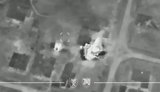
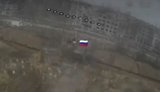
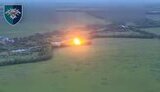
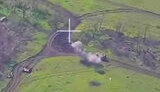
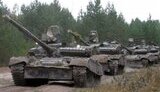
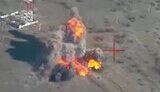
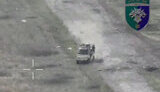
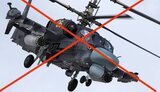
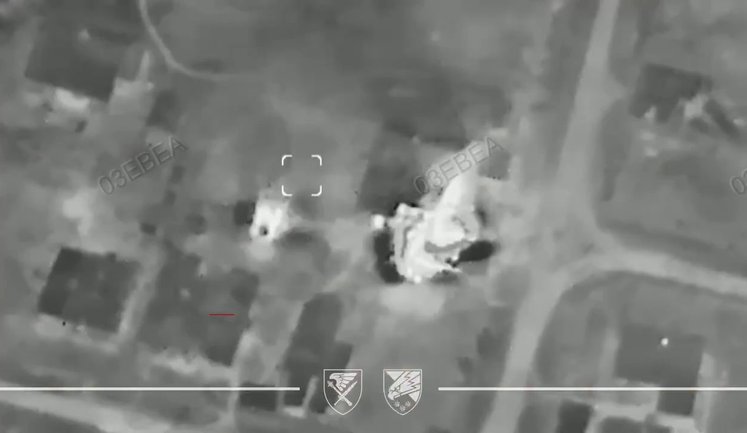
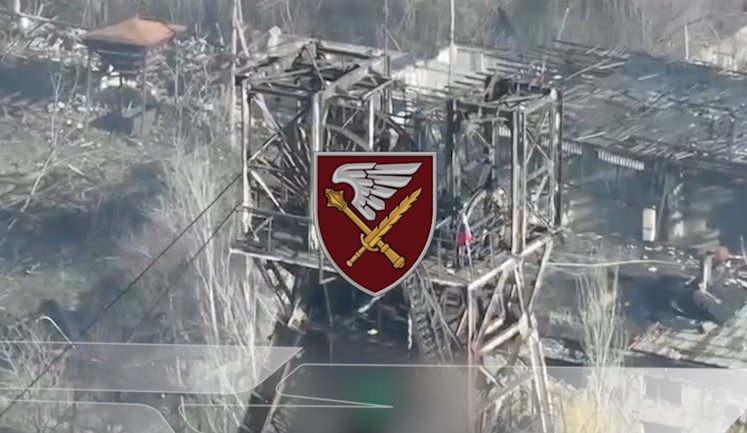
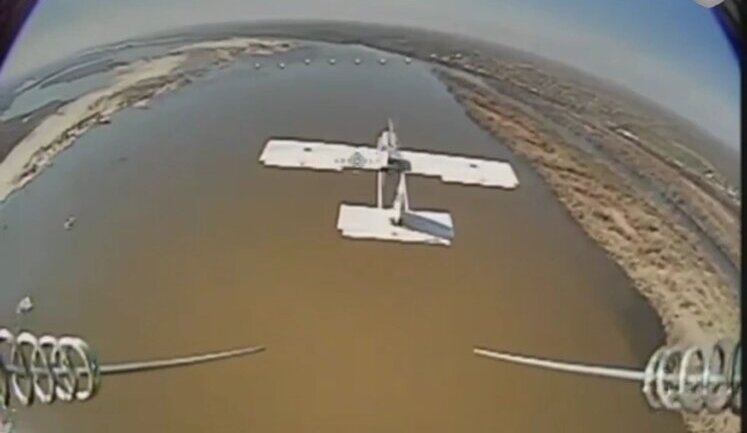
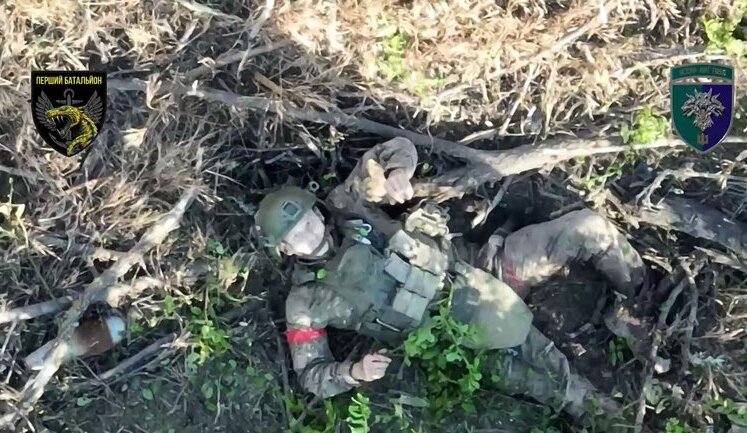
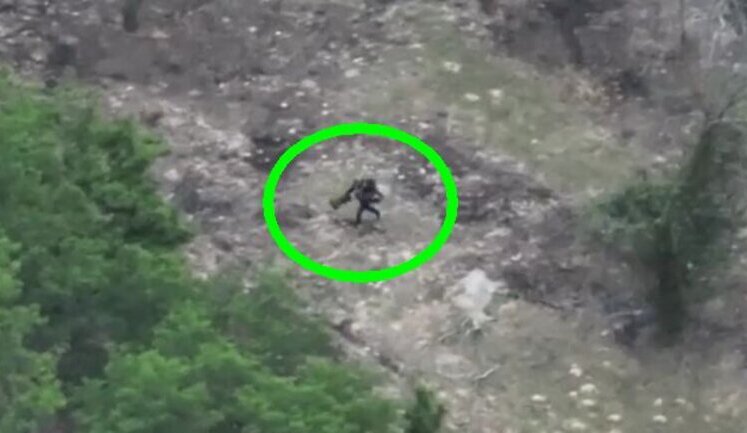
The 38th Separate Marine Brigade has become renowned for its tactical prowess in the ongoing military operations against the Russian forces. Highlighting their recent actions, the Brigade has released footage showcasing drone strikes and ground operations that have resulted in significant tactical victories. The Brigade's ability to use advanced reconnaissance and precision strikes has allowed them to effectively neutralize enemy forces and prevent Russian forces from gaining a foothold in key areas such as Myrnohrad and the Pokrovsk sector. Their strategic use of technology and ground forces has not only resulted in the destruction of enemy armoured vehicles and artillery systems but also in reclaiming control over important territories. The marines' commitment to protecting Ukrainian sovereignty is underscored by their successful operations that have considerably weakened the enemy's combat capabilities.
What role does the 38th Marine Brigade play in the Ukraine war?
The 38th Marine Brigade plays a crucial role in counteracting Russian military advances through tactical ground operations and drone strikes. Their actions are strategic in reclaiming and securing territories, effectively weakening enemy forces, and showcasing advanced military tactics in Ukraine's defense efforts.
How has the 38th Marine Brigade utilized drones in combat?
The 38th Marine Brigade has effectively utilized drones for reconnaissance and precision attacks, neutralizing enemy targets such as armoured vehicles and artillery systems. This strategic use of drones has provided a tactical advantage, enabling the Brigade to conduct successful operations with a high degree of accuracy.
What are some significant victories of the 38th Marine Brigade?
The Brigade's significant victories include the destruction of Russian flags, armoured vehicles, artillery systems, and UAVs, as seen in locations like Myrnohrad and the Pokrovsk sector. These victories have not only demoralized the enemy but also helped assert Ukrainian control over contested areas.
How does the 38th Marine Brigade coordinate its operations?
The Brigade coordinates operations through intelligence gathering, reconnaissance, and close collaboration between drone operators and ground units. This integrated approach ensures the precision and effectiveness of their tactics, allowing for strategic strikes and efficient territorial defence against enemy forces.
What is the impact of the 38th Brigade on enemy morale?
The 38th Brigade's decisive actions have profoundly impacted enemy morale, leading to confusion and retreat among Russian forces. Their precision strikes and strategic victories erode the confidence of occupying forces, demonstrating the effectiveness of Ukrainian military operations and commitment to sovereignty.