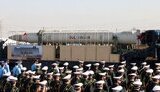
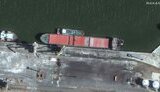
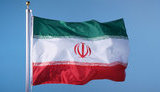
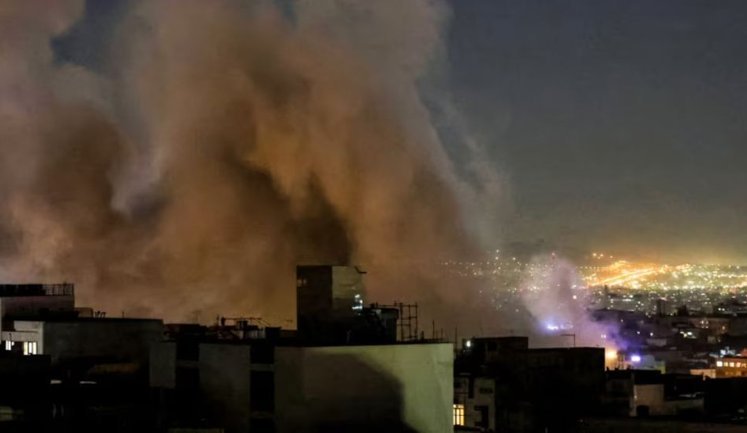
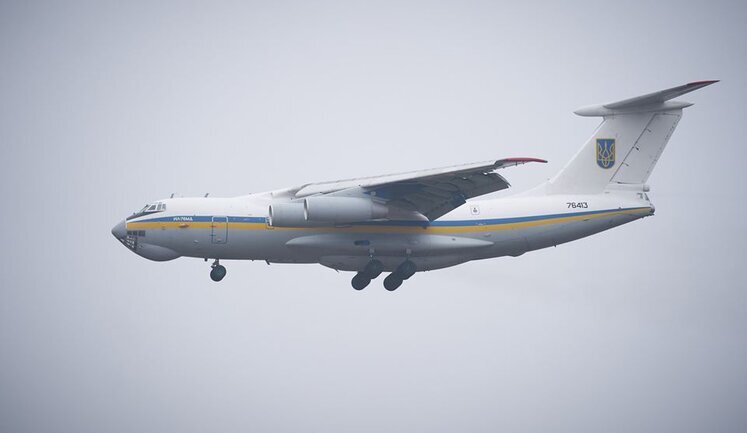
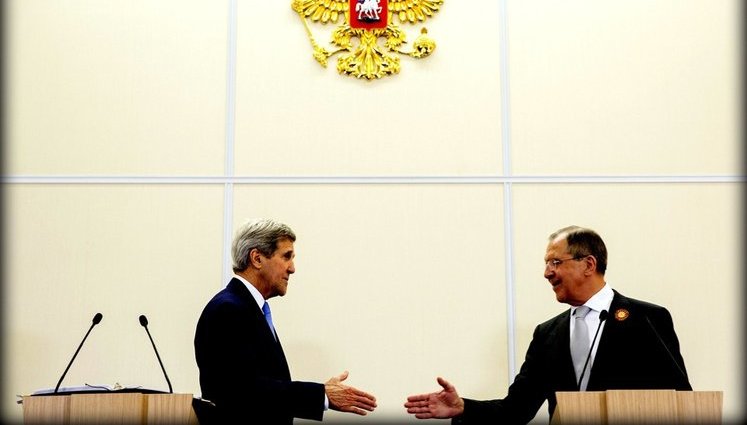
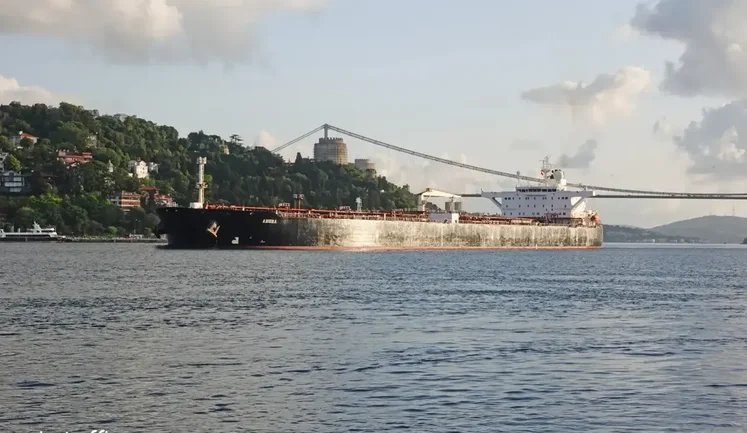
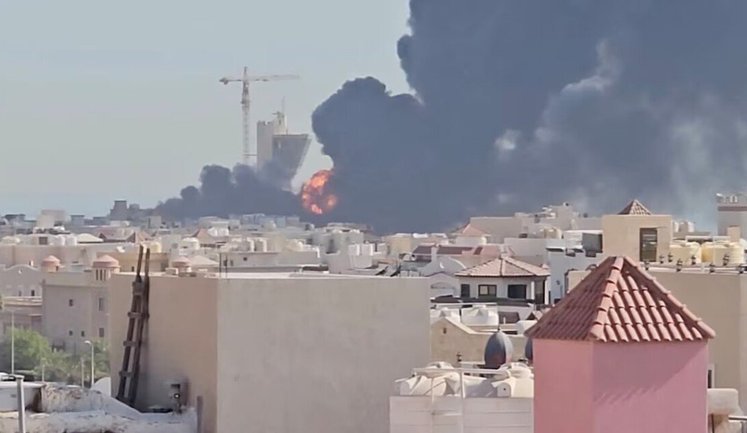
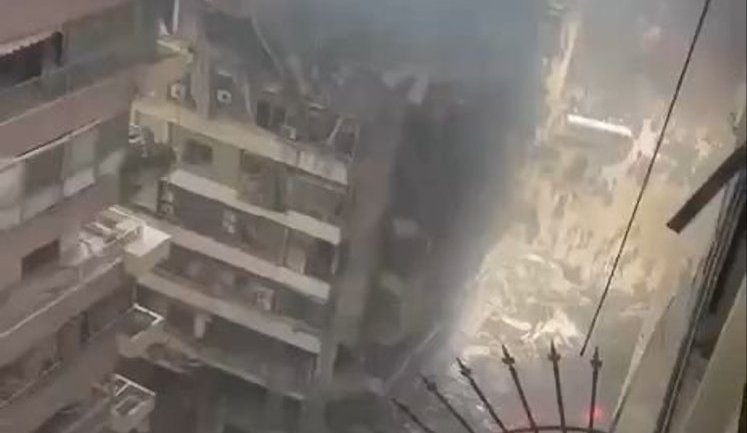
Iran's geopolitical tensions with the United States are intensifying as recent actions highlight conflict escalation. Several Iranian tankers, linked to Russia's shadow fleet, were targeted by U.S. strikes, amplifying military confrontations. Meanwhile, reports suggest Russia aids Iran in developing hypersonic missiles, raising concerns over military technology transfers. In response, the U.S. implemented further strikes, emphasizing its commitment to controlling the Strait of Hormuz and applying economic pressure. This volatile dynamic not only impacts regional stability but also influences global oil markets and international relations.
Why did the US strike Iranian tankers recently?
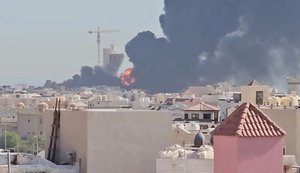
The US struck Iranian tankers linked to Russia's shadow fleet, which were transporting Russian oil. This action is part of a broader strategy to counter the perceived military and economic threats posed by Iranian and Russian collaborations. The aim is to disrupt strategic supply lines that may undermine international sanctions.
How is Russia involved in Iran's missile development?
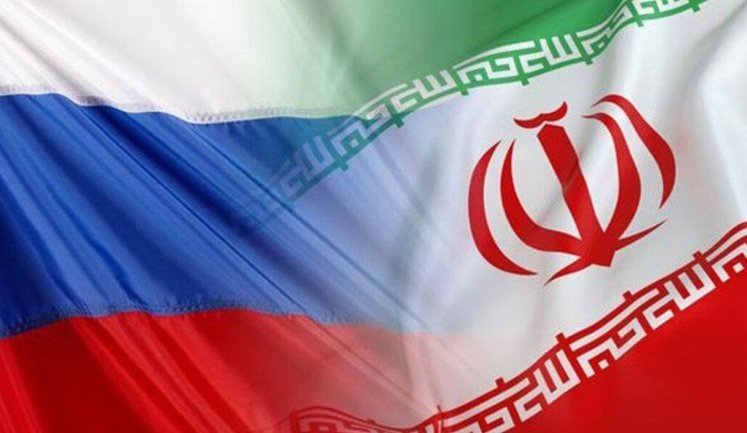
Recent reports indicate Moscow has secretly assisted Tehran in developing hypersonic missiles, enhancing Iran's military capabilities. This cooperation is a significant transfer of strategic military technology, potentially altering the regional power balance and heightening tensions with the US.
What are Iran's conditions for reopening the Strait of Hormuz?
Iran demands the US fulfill specific conditions outlined in the Islamabad Memorandum of Understanding before restoring free navigation through the Strait of Hormuz. This includes addressing Iranian concerns over US military presence and economic sanctions, which Tehran views as oppressive.
What is the U.S. strategy towards Iran amid rising tensions?
The US strategy includes military strikes and economic pressures to deter Iran's aggressive actions and renegotiate terms under international agreements. This involves controlling key shipping areas like the Strait of Hormuz and leveraging diplomatic channels to deescalate the conflict while maintaining a firm stance against nuclear and missile developments.
How does the Iran-US conflict affect global oil markets?
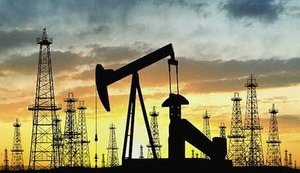
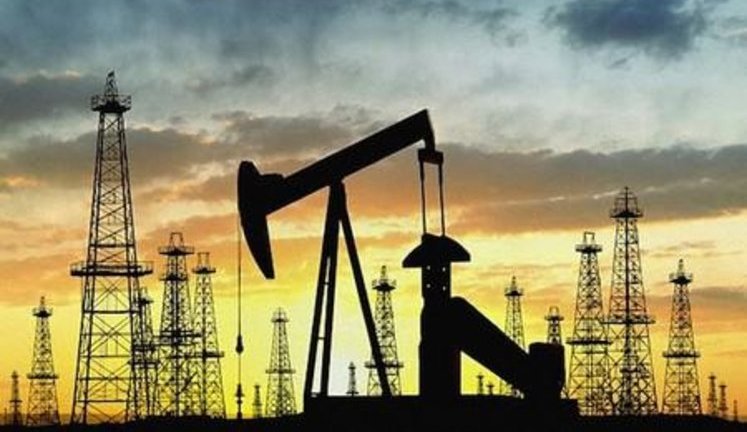
The conflict can cause volatility in global oil markets due to its potential to disrupt oil transit routes like the Strait of Hormuz, through which a significant portion of global oil passes. Rising tensions often lead to increased oil prices, reflecting fears of supply shortages and geopolitical instability.
Why has NATO expressed concern over Iran's threats to Europe?
NATO has prepared to counter any threat from Iran due to its reported consideration of attacks on US military facilities based in Europe. This stance underscores NATO's commitment to collective defense and the protection of its member states against aggressive military actions, ensuring security across the region.
How has Iran's closing of the Strait of Hormuz impacted international relations?
Iran's closure of the Strait of Hormuz, a vital maritime passage, has heightened global tension, particularly affecting countries dependent on oil imports through this route. It has spurred diplomatic efforts to resolve the standoff and ensure stability, while nations strategize to mitigate economic impacts of potential shipping disruptions.
What role does the US Space Force play in the Strait of Hormuz situation?
The US Space Force is actively involved in monitoring the Strait of Hormuz to ensure maritime security and detect potential threats, including mines in international waters. This surveillance aims to maintain safe passage for commercial vessels and support US military operations in the region, following strategic mandates.
How does the US plan to apply economic pressure on Iran?
The US intends to intensify economic pressure on Iran by reinforcing existing sanctions and expanding measures that target crucial economic sectors, including oil exports. By reducing Iran's revenue streams, the US aims to limit Tehran's capability to fund its military initiatives and pressurize it into diplomatic negotiations.