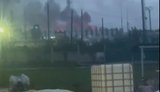
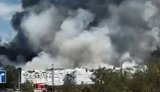
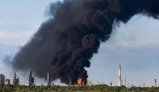
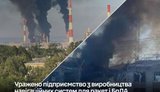
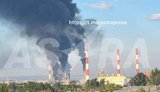
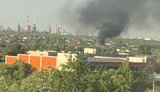
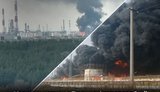
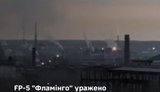
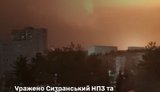
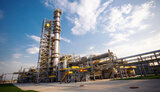
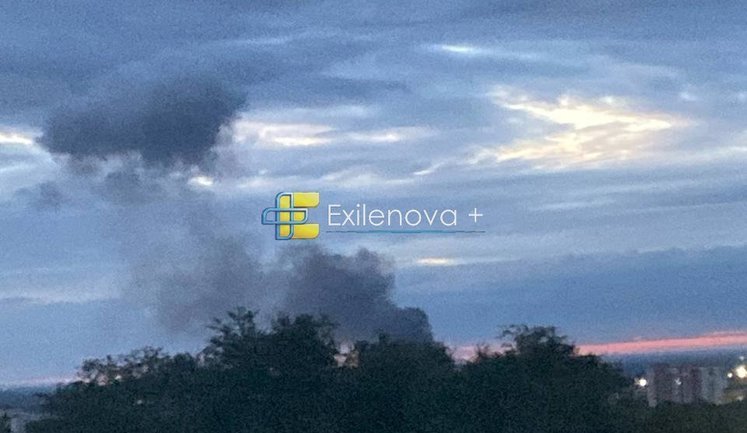
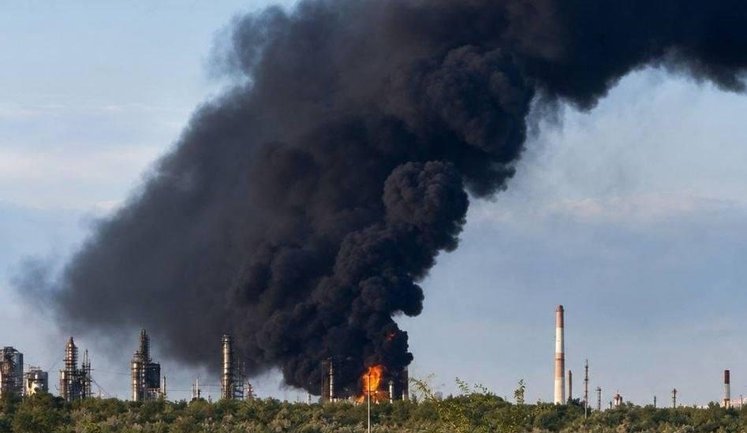
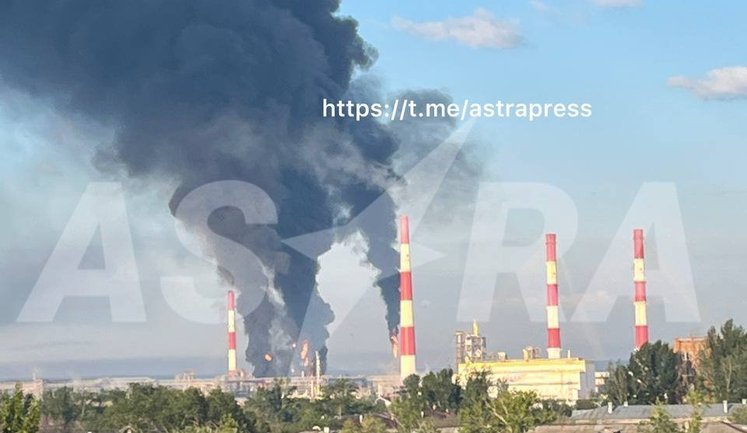
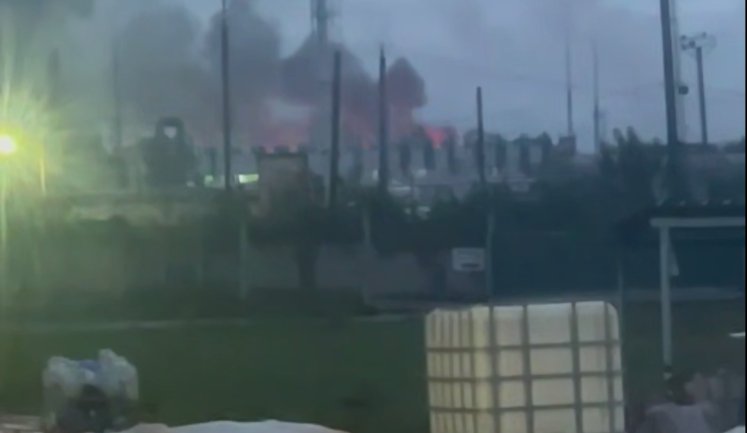
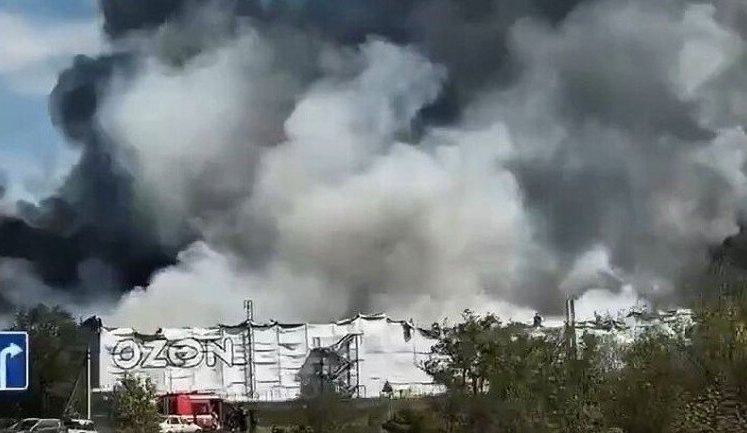
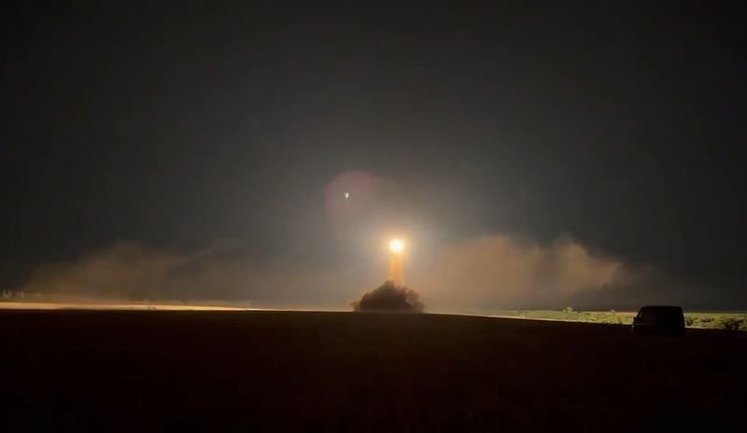
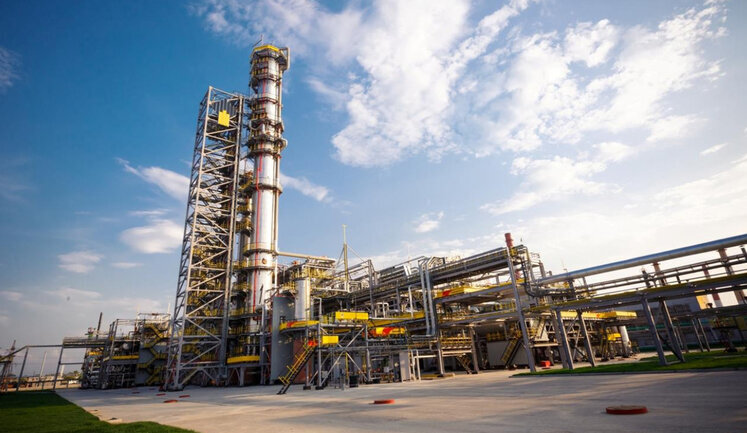
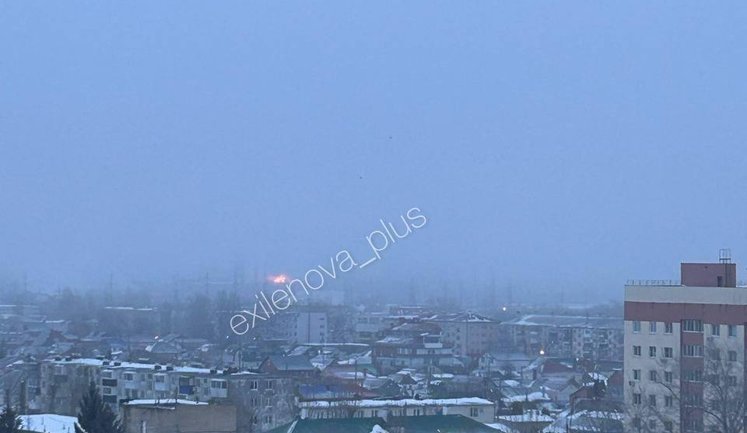
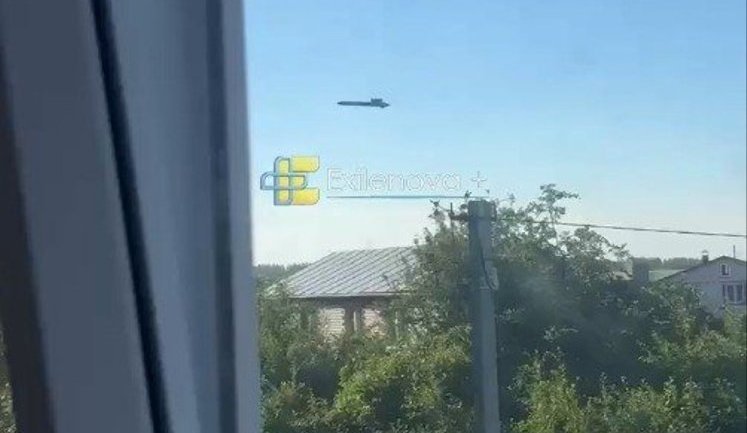
The Samara region in 2026 has been a focal point for significant military activities, with repeated drone attacks targeting its industrial facilities. Specifically, attacks on the Syzran and Kuibyshev oil refineries have left lasting damage, sparking fires and causing regional unrest. Residents are increasingly vocal about the ongoing threats, as seen in video testimonies highlighting the destruction. The Ukrainian Defense Forces have systematically targeted these sites as part of broader strategic operations aimed at destabilizing Russian military and energy capacities. The ripple effects of these attacks have impacted not just Samara's local economy but also the broader geopolitical climate in the region.
What facilities have been targeted in Samara by drone attacks?
The drone attacks in the Samara region have targeted several critical infrastructure sites, including the Syzran and Kuibyshev oil refineries, and the chemical plants KuibyshevAzot and Togliattikauchuk. These strikes have disrupted local industries and caused significant economic and environmental damage.
How have residents of Samara been affected by drone attacks?
Residents of the Samara region have been significantly affected by the ongoing drone attacks. Many have taken to social media to express concerns over safety, as frequent explosions and fires have posed threats to their daily lives, prompting fears of long-term impacts on health and local infrastructure.
What has been the response to the attacks on Samara's industrial facilities?
The response to drone attacks on Samara's industrial facilities has been varied. Russian authorities have increased security measures, while defense forces attempt to mitigate further damage. Internationally, these events have drawn increased attention to the conflict dynamics between Russia and Ukraine.
Why is the Samara region a significant target for drone attacks?
The Samara region is strategically significant due to its concentration of vital oil refineries and chemical manufacturing plants, critical to Russia's military-industrial complex. Targeting these facilities disrupts Russia's energy production and supply chains, exerting pressure on its economy and military capabilities.
What impact do these attacks have on the broader geopolitical situation?
The drone attacks in Samara have intensified the geopolitical tensions between Russia and Ukraine, highlighting vulnerabilities in Russia's defense mechanisms. This escalation affects international diplomatic relations, potentially influencing global policy decisions regarding the ongoing conflict in the region.
How have the industrial sectors in Samara adapted to repeated attacks?
Industrial sectors in Samara are increasingly adopting advanced surveillance and security technologies to defend against subsequent drone attacks. Restoration processes are underway, although prolonged disruptions pose economic challenges, compelling industries to reassess their operational strategies and resilience plans.