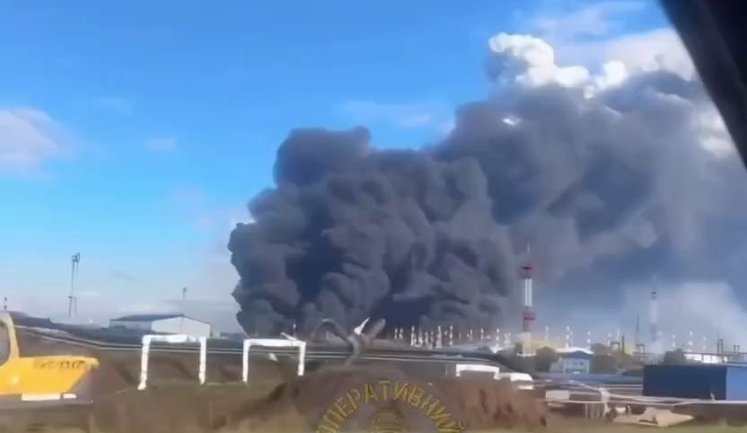
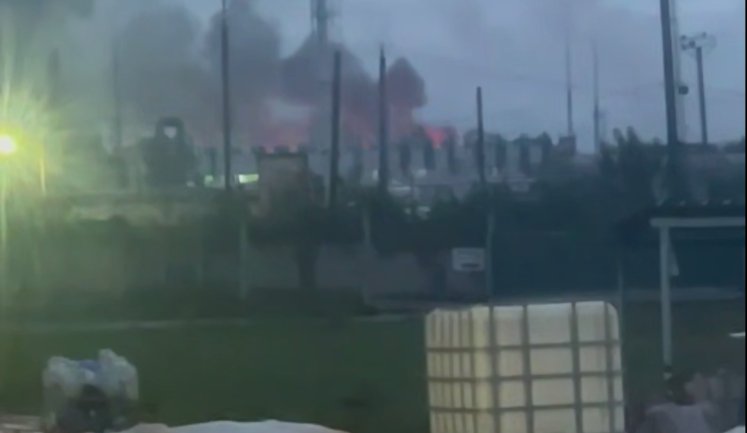
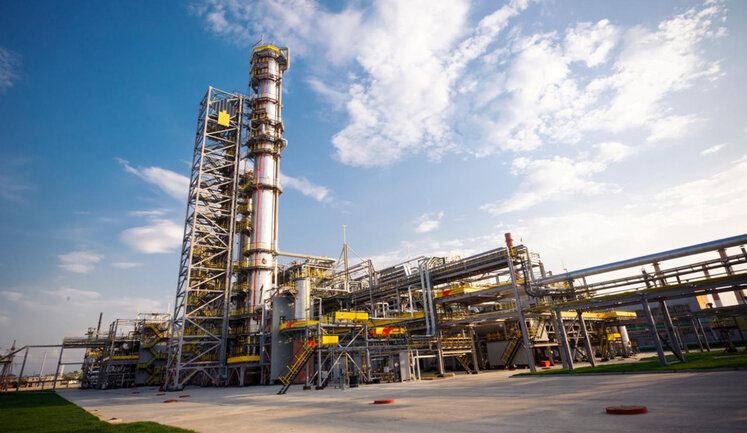
The Samara region in Russia has been a focal point of strategic military operations. Ukrainian Defense Forces have repeatedly targeted key infrastructure in the area, including oil refineries, logistic warehouses, and defense manufacturing plants. The persistent attacks, such as the ones on the "Samara" oil terminal and the Progress rocket center, have resulted in large-scale damage, fires, and explosions. These actions aim to disrupt enemy supply chains and weaken Russia's military-industrial capabilities. Events in Samara highlight the intensifying conflict and the tactical focus on crippling essential facilities to sway the ongoing warfare dynamics.
What significant damage has been reported in the Samara region?
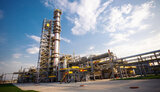
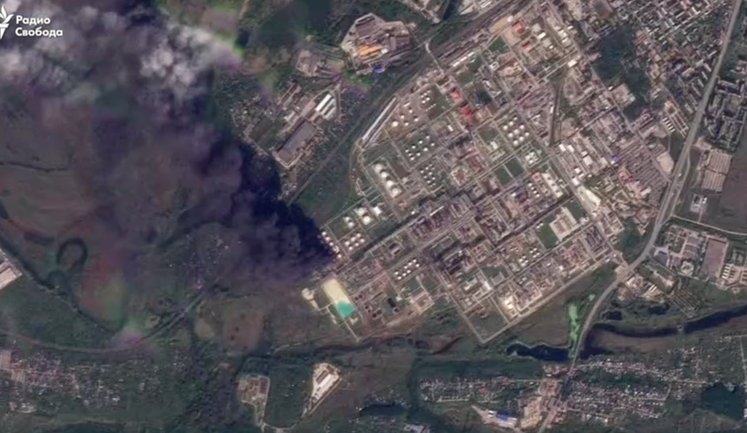
In the Samara region, significant damage has been reported following attacks on various facilities, including the "Samara" oil terminal, which suffered destruction of oil tanks, and the Progress rocket center. These strikes aim to disrupt vital logistics and manufacturing facilities critical to Russia's defense and energy sectors. Multiple fires and explosions have been documented by local residents, further indicating the severity of the impact.
Which facilities were targeted by Ukraine in the Samara region?
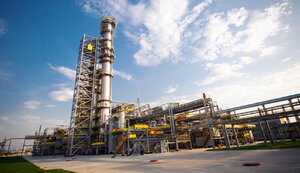
The Ukrainian Defense Forces have targeted several facilities in the Samara region, including the Syzran and Novokuibyshevsk oil refineries, the "Progress" rocket and space center, and other industrial sites such as the "KuibyshevAzot" chemical plant. These strikes aim to undermine the logistical and manufacturing capabilities associated with Russian military operations.
How have residents reacted to the attacks on Samara?
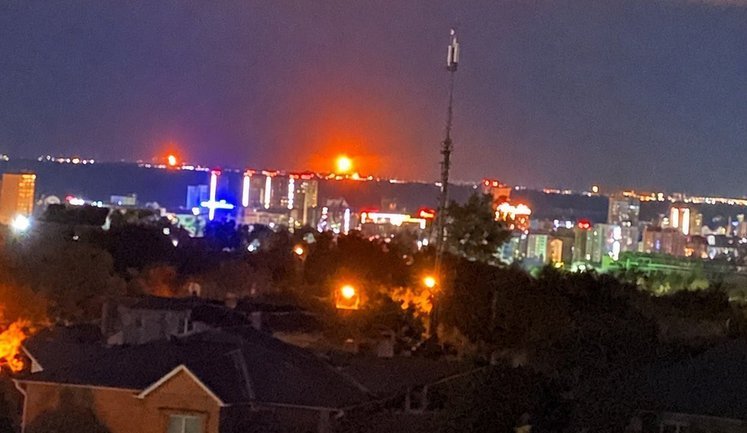
Residents in the Samara region have captured and shared footage of the extensive fires and explosions following the attacks, showing concern and apprehension over the escalating situation. These documented incidents on social media highlight the local population's alarm and the tangible effects of the military strikes within residential proximity.
What is the strategic importance of hitting Samara's infrastructure?
Targeting Samara's infrastructure is strategically significant as it houses key industrial and energy facilities crucial to Russia's logistics and defense industries. By attacking these sites, Ukrainian forces aim to cripple industrial production, disrupt supply chains, and exert pressure on the Russian military's operational capabilities, which are vital for sustaining prolonged conflict efforts.
Have drone strikes been significant in Samara region attacks?
Drone strikes have played a significant role in the attacks on the Samara region, as evidenced by the destruction of facilities like the Syzran oil refinery and others. These unmanned aerial systems offer a tactical advantage of precision and reduced risk for operators, aligning with modern warfare strategies of minimizing personnel exposure while maximizing target impact.
What has been the frequency of attacks on Samara?
The frequency of attacks on the Samara region has increased, with multiple instances reported over several months. Key dates include attacks in March, April, and September 2026, each involving multiple targets and illustrating an ongoing strategic effort by Ukrainian forces to debilitize critical infrastructure repeatedly until substantial operational outcomes are achieved.
How do the attacks on Samara contribute to the war in Ukraine?
The attacks on Samara contribute to the broader war effort by focusing on disabling vital Russian infrastructure. This not only aims to hinder Russia's supply and logistical prowess but also hopes to redirect their strategic focus towards domestic defense as opposed to offensive operations in Ukraine, thereby altering the war's resource allocation dynamics.