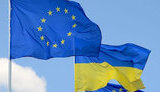
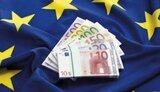
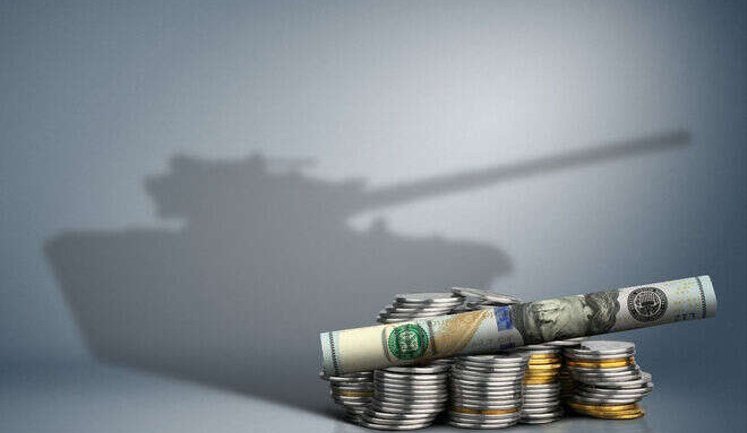
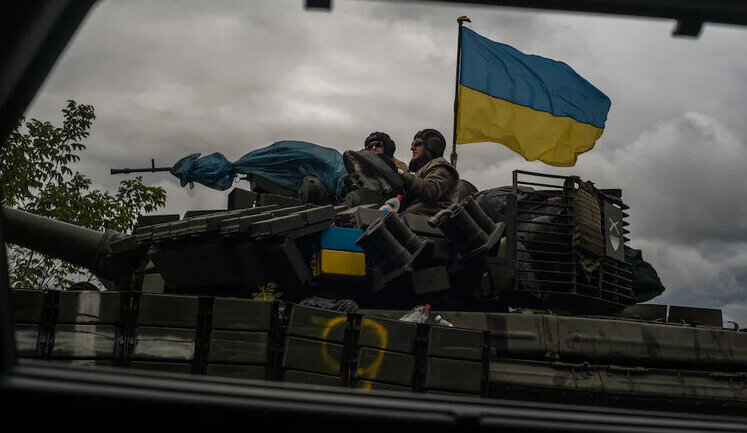
Funding has been a crucial topic for Ukraine in 2026, with diverse sources and allocations shaping its economic and defense landscape. The International Monetary Fund recently disbursed the first tranche of $1.5 billion under a new Extended Fund Facility program. At the same time, the European Union has committed to covering a significant portion of Ukraine's financial needs, planning grants of up to €90 billion over the next few years. The Ukrainian defense industry has benefited from $6.1 billion in foreign funding through innovative approaches like the "Danish model". Additionally, Ukraine continues to navigate complex EU partnerships, such as alternative funding strategies over "reparation loans", showcasing its strategic financial resilience.
How much funding did Ukraine receive from the IMF in March 2026?
Ukraine received $1.5 billion from the International Monetary Fund in March 2026. This amount is part of a broader four-year program aligned with the Extended Fund Facility, which aims to bolster Ukraine's economic stability amid ongoing challenges.
What role does the European Union play in Ukraine's financial strategy for 2026?
The European Union plays a pivotal role in Ukraine's 2026 financial strategy, intending to cover two-thirds of Ukraine’s financing needs with a commitment of up to €90 billion in grants to support economic and defense efforts, thus showcasing significant international collaboration.
What is the "Danish model" in the context of Ukrainian defense funding?
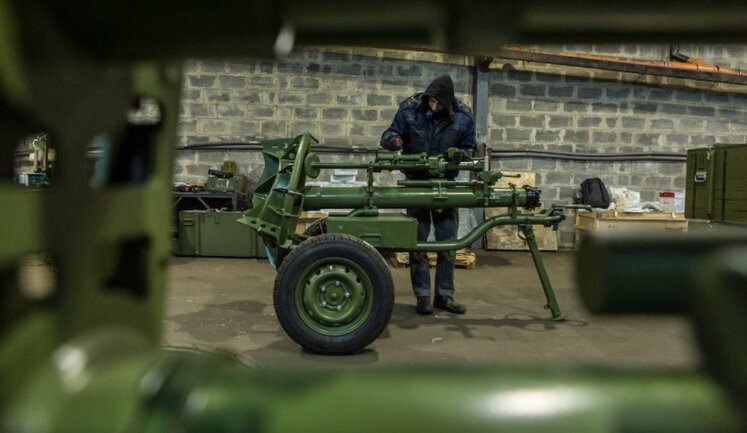
The "Danish model" refers to a funding approach wherein Ukraine's defense sector attracted $6.1 billion in 2025 from direct purchases by partner countries and proceeds from frozen Russian assets. This model supports increased production capacity in the defense industry.
Has NATO contributed to a missile shortage in Ukraine?
NATO stated that the shortage of Patriot interceptor missiles in Ukraine was not due to delayed funds or financial issues with European donors, underlining that operational factors, rather than funding, were at the heart of this logistical challenge.
What significant decisions regarding funding has Denmark made in 2026?
In 2026, Denmark allocated €1.3 million to the Ukrainian Cultural Heritage Fund and over $400 million in military aid to Ukraine. These funds aim to support both cultural restoration and defense capabilities amid ongoing conflict and reconstruction needs.