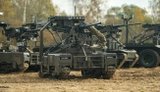
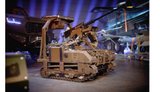
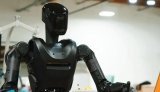
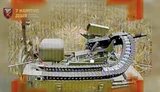
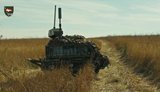
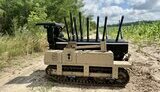
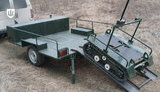
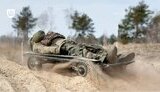
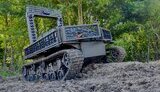
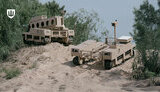
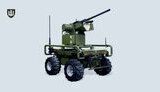
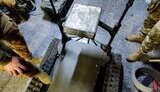
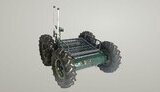
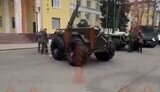
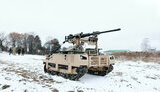
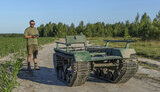
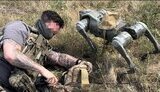
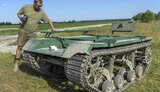
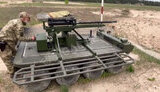
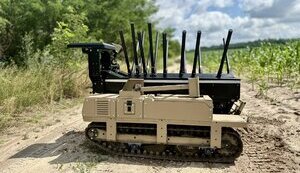
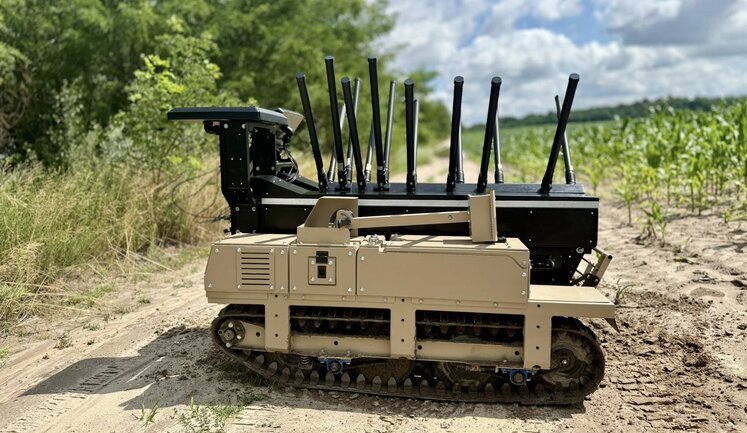
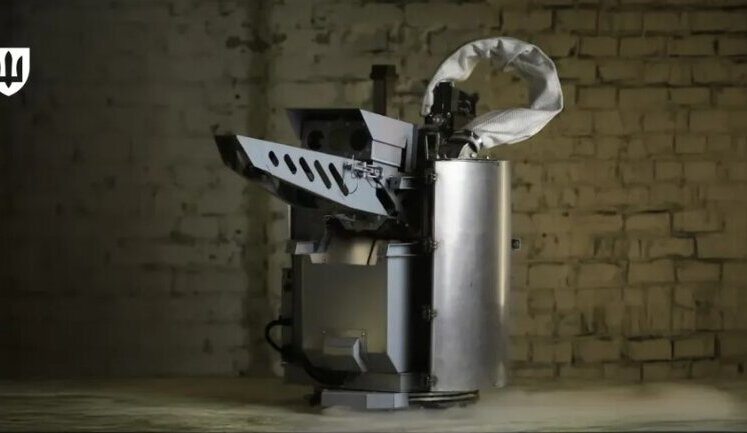
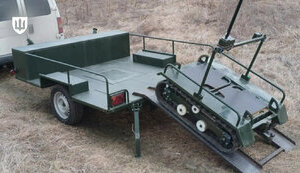
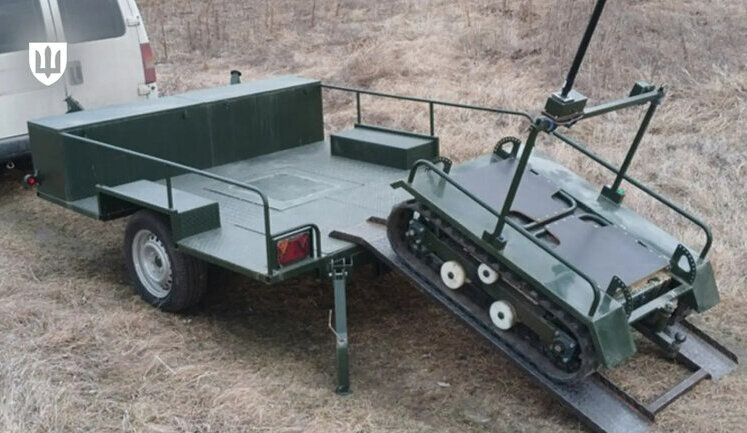
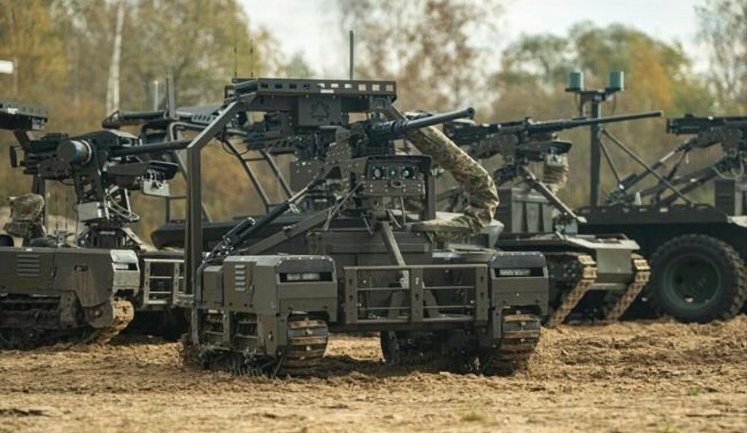
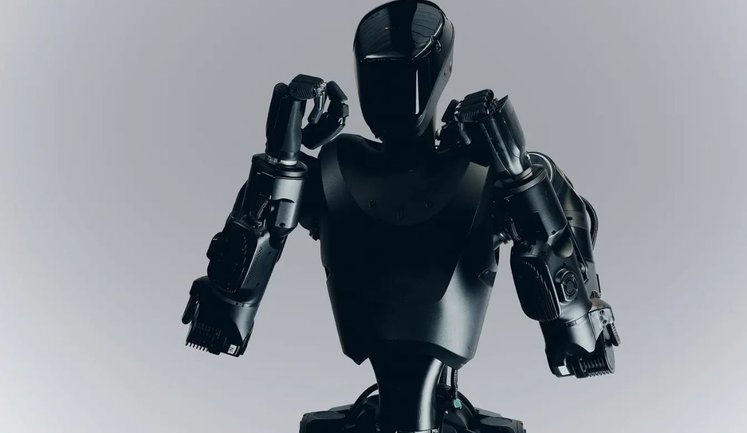
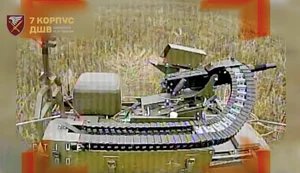
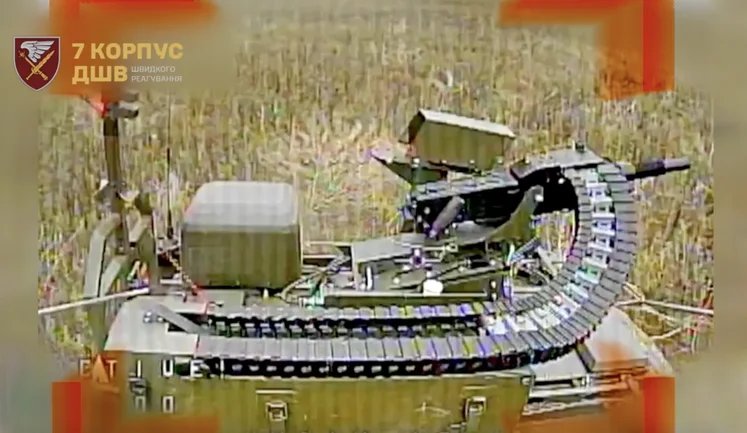
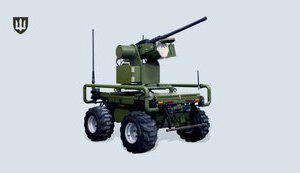
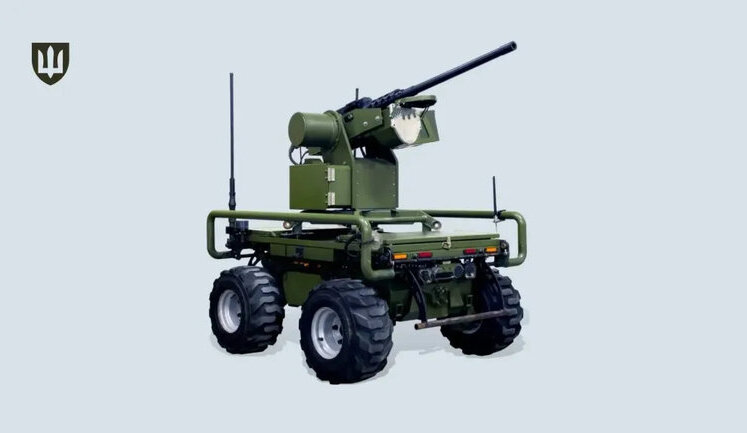
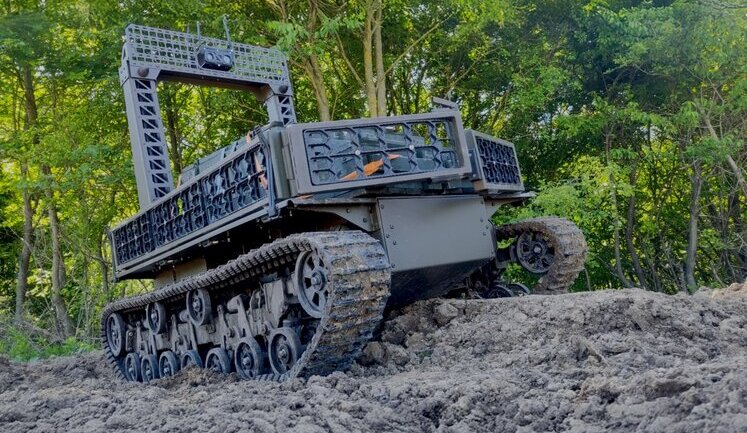
Robots are playing transformative roles in modern warfare with nations like the USA and Ukraine leading innovations. The American company Foundation has launched Phantom MK-1, a humanoid robot designed for military purposes, marking a significant advancement in robotics for defense. Meanwhile, Ukrainian forces are implementing various ground robotic systems to enhance their operational capabilities. These systems, including the newly approved D-21-12R and TERMIT, are engineered for diverse functions such as mine-laying, evacuating the wounded, and supplying front-line units, effectively minimizing human exposure to danger. Such advancements underscore a global trend towards incorporating cutting-edge unmanned technology, demonstrating robots' profound impact on military strategy and efficiency.
How are robots enhancing military operations?
Robots are revolutionizing military operations by performing tasks that would otherwise risk human lives. For example, they can lay mines, conduct surveillance, and transport supplies and wounded soldiers in dangerous zones. Robotic systems like Phantom MK-1 and various Ukrainian models improve efficiency, precision, and safety in combat scenarios, showcasing their growing importance in modern warfare.
What robotic advancements has Ukraine made in 2025?
In 2025, Ukraine has approved several ground robotic systems, including the D-21-12R and TERMIT, for military use. These innovations are pivotal in combat, mine-laying, and logistics. Such technology reflects Ukraine's commitment to strengthening its defense capabilities against adversaries by reducing human risks and enhancing operational effectiveness.
What is the function of the Phantom MK-1 robot?
The Phantom MK-1 is a humanoid robot developed by the American company Foundation for military applications. It is designed to assist in various defense-related tasks such as tactical support and ground operations. This reflects a significant evolution in integrating humanoid robotics into military environments, aiming to improve operational safety and effectiveness.
How do robots contribute to reducing casualties in military units?
Robots contribute significantly to reducing casualties by taking on dangerous tasks that would traditionally require human soldiers. In Ukraine, the use of cutting-edge robotic systems has lowered military unit casualties by enabling mine-clearing, reconnaissance, and targeted support operations, thereby keeping soldiers out of direct harm's way.
What is the impact of robotic technology on modern warfare?
Robotic technology profoundly impacts modern warfare by enhancing precision, safety, and strategic capabilities. As seen in recent developments, ground and aerial robots complement human efforts by undertaking surveillance, weapon delivery, and rescues, which changes the dynamics and tactics on the battlefield, allowing military forces to achieve strategic goals with greater efficiency and lower human risk.