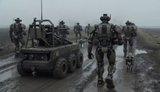
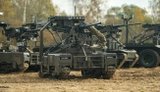
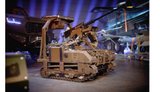
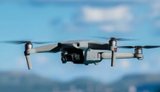
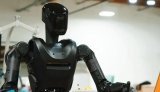
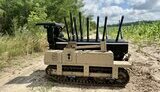
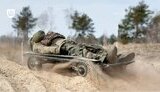
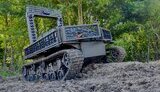
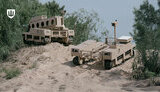
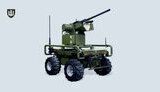
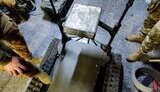
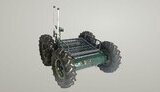
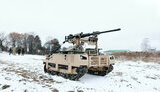
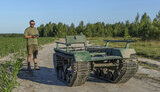
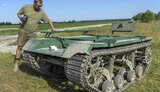
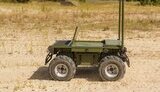
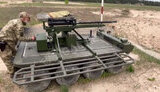
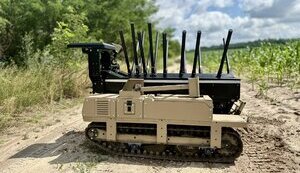
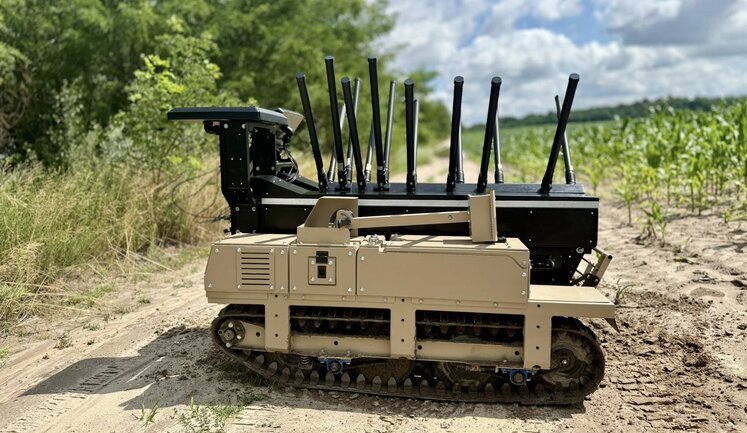
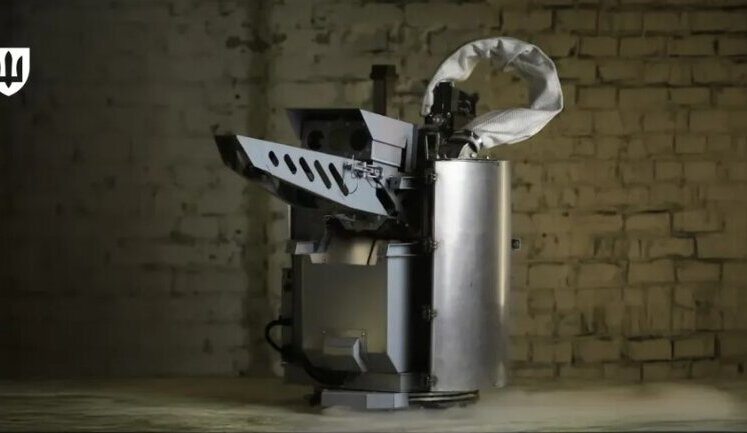
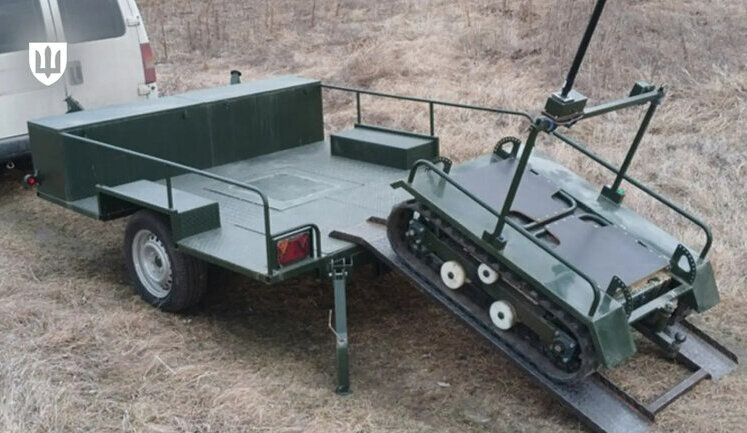
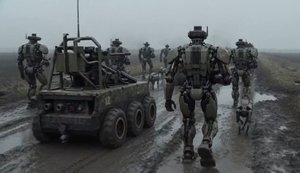
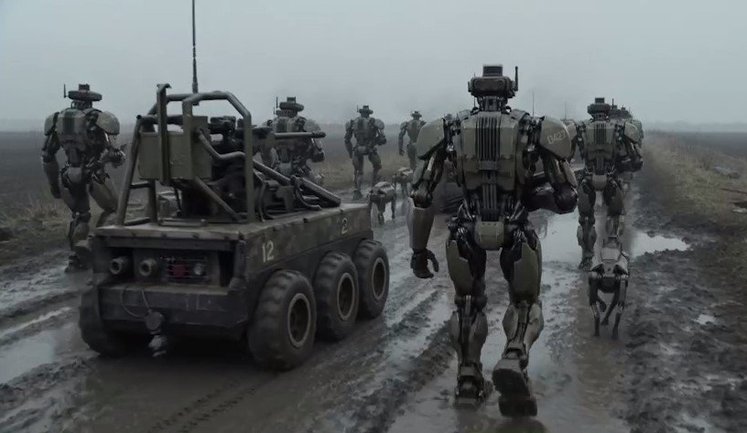
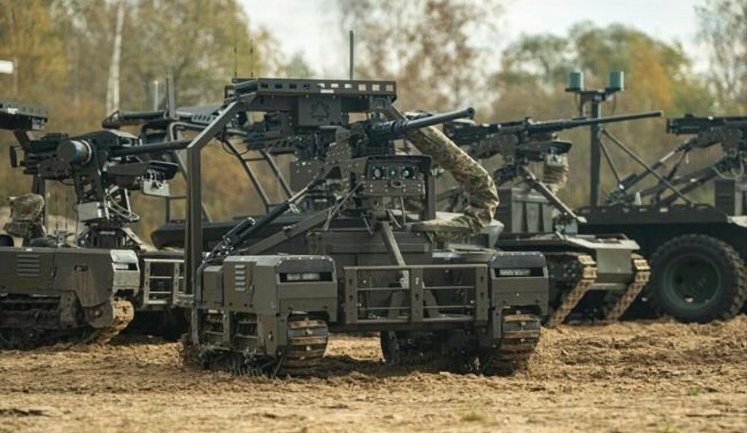
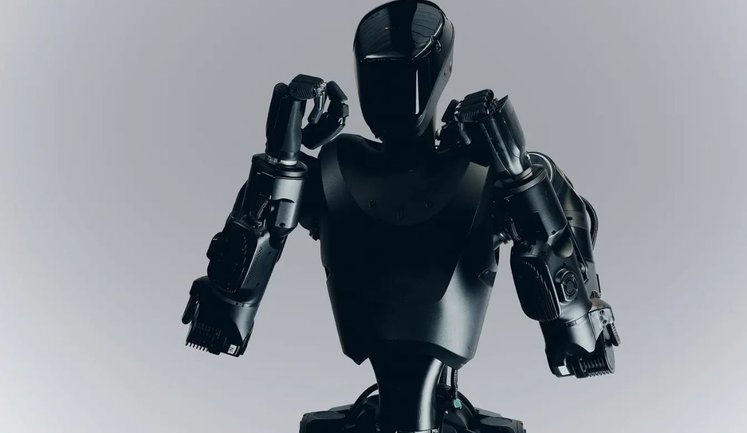
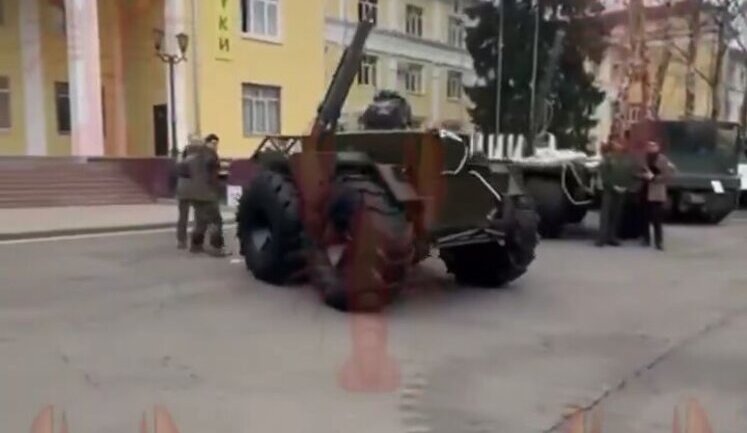
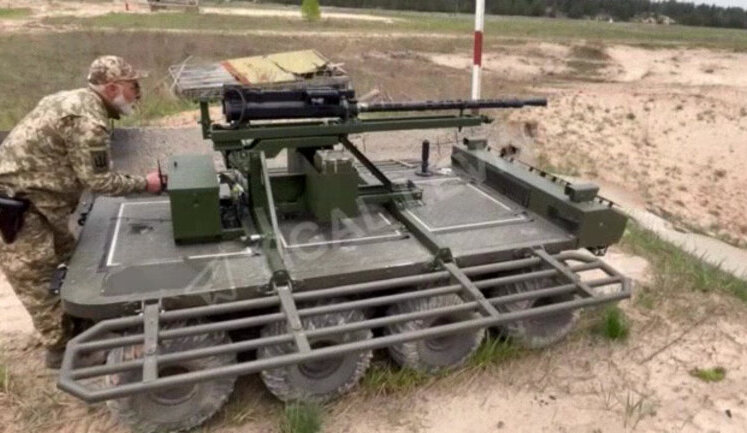
In recent years, Ukraine has turned to robotics to bolster its military capabilities in its ongoing conflict. Humanoid robots and unmanned ground vehicles (UGVs) are playing pivotal roles on the battlefield. Ukraine's Ministry of Defence, along with the Brave1 defence cluster, has initiated funding for domestic robot development, focusing on humanoid systems to aid frontline operations. Moreover, US startups like Foundation Future Industries are testing autonomous humanoids in Ukraine, further advancing robotic warfare. The integration of these technologies, such as the Phantom humanoid and other ground robotic systems, is significantly reducing casualties and enhancing the effectiveness of military operations.
What role do robots play in Ukraine's military strategy?
Robots, including humanoid robots and unmanned ground vehicles, play a crucial role in Ukraine's military strategy by enhancing frontline operations, enabling remote combat missions, and reducing human casualties. These robots are used for various tasks, including reconnaissance, supply delivery, evacuation of the wounded, and direct combat actions.
How are humanoid robots used in Ukraine's Armed Forces?
Humanoid robots are deployed in Ukraine's Armed Forces primarily for high-risk operations on the front lines. They perform dual roles such as reconnaissance and combat and are designed to operate autonomously or under remote control in battlefield conditions, reducing the need for human infantry.
Which organizations are involved in developing robots for Ukraine's military?
The development of robots for Ukraine's military involves multiple organizations, including Ukraine's Ministry of Defence, the Brave1 defence cluster, and international tech firms like Foundation Future Industries. These organizations collaborate to create cutting-edge robotic solutions for military applications.
What advancements have been made in robotic warfare technology?
Significant advancements in robotic warfare technology include the creation of autonomous humanoid robots capable of performing complex combat tasks, improvements in unmanned ground vehicles for mine-laying and evacuation, and the development of integrated systems that reduce the risk to human soldiers by handling dangerous frontline operations.
How do robots reduce military casualties in Ukraine?
Robots reduce military casualties by undertaking hazardous tasks such as combat operations, reconnaissance, and evacuation that would otherwise put human soldiers at risk. Robotic systems like ground vehicles and drones have significantly lowered the number of military personnel exposed to direct conflict, contributing to a decrease in casualties.