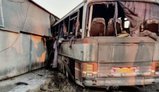
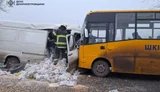
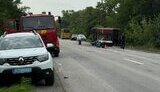
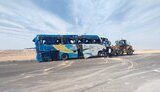
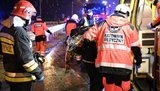
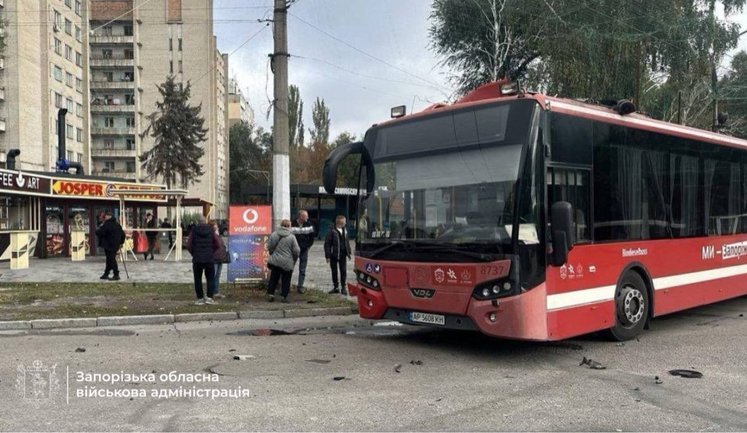
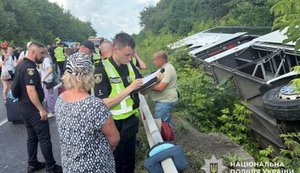
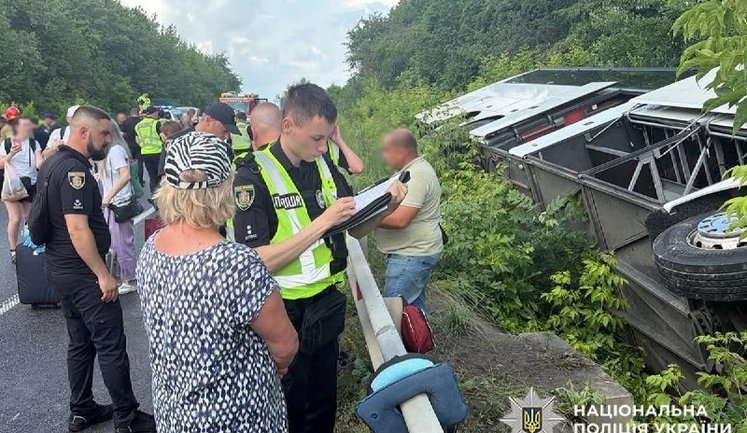
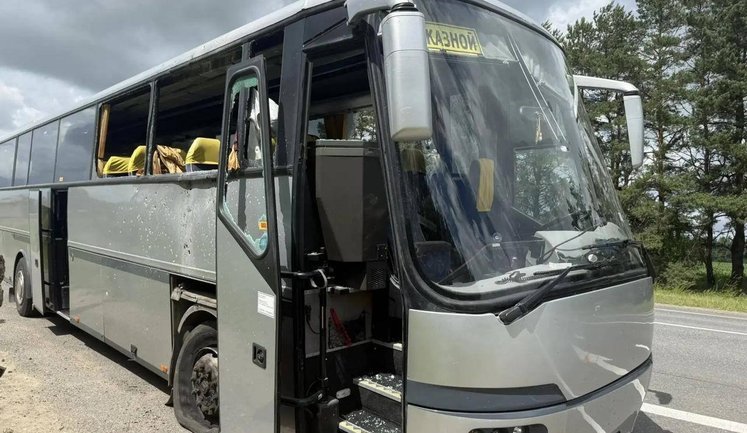
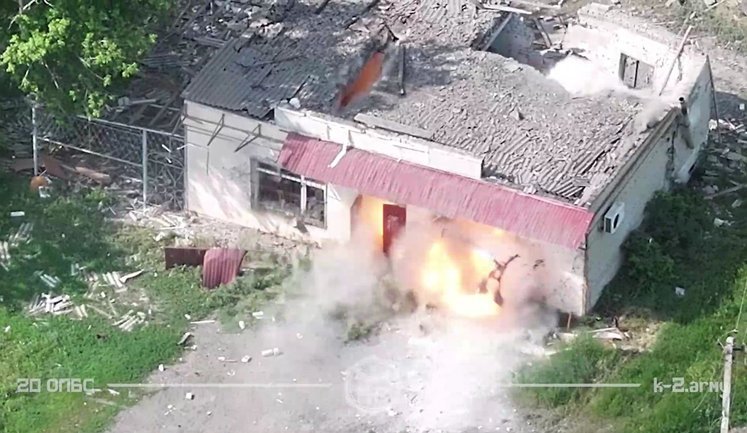
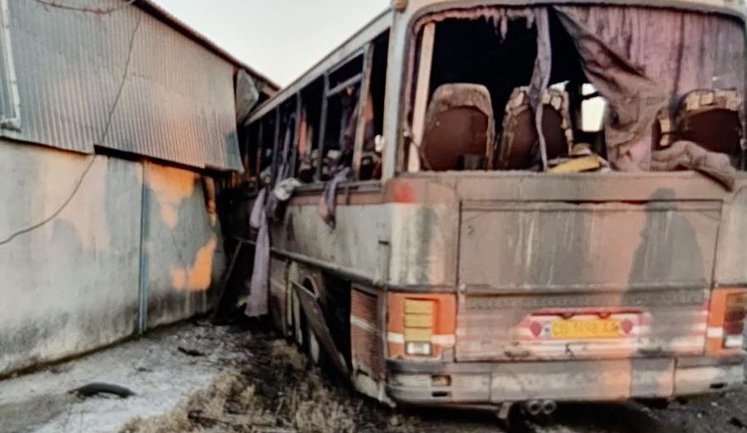
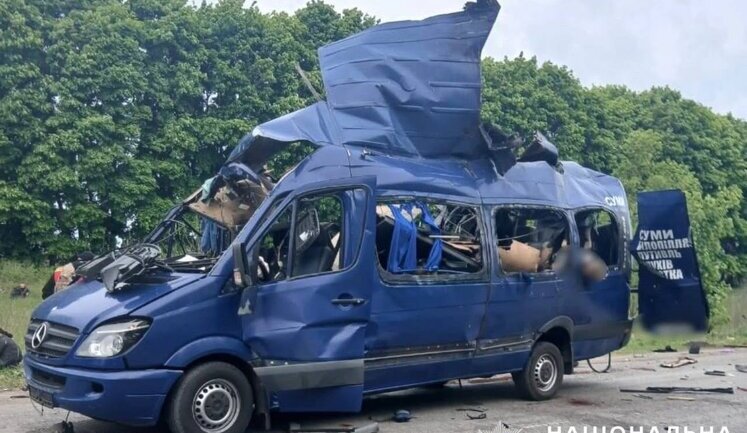
In recent times, passenger buses in Ukraine have been increasingly targeted in attacks, highlighting the serious impact on civilian safety amid the ongoing conflict. Notable incidents include Russian drone strikes in the Nikopol and Kharkiv regions, causing fatalities and injuries. The Armed Forces of Ukraine have also refuted claims of involvement in attacks on passenger buses, labeling them as provocations by Russia to increase tensions. These tragic events underscore the vulnerability of transport operations during conflict and pose significant challenges to local and international communities striving for peace and stability in the region.
What recent events have involved bus attacks in Ukraine?
Recent events in Ukraine have seen numerous bus attacks, particularly via drone strikes by Russian forces. These attacks have resulted in multiple casualties and deaths, notably in Nikopol, Kharkiv, and Dnipropetrovsk regions. The ongoing conflict has left many civilians vulnerable as transportation remains a target.
How have Ukrainian authorities responded to bus attack allegations?
The Ukrainian authorities, specifically the General Staff of the Armed Forces, have denied accusations of Ukrainian drone attacks on buses in reputed incidents like those in the Bryansk region. They regard these claims as Russian provocations aimed at destabilizing the situation and dragging neighboring nations into the conflict.
What are the consequences of bus attacks on civilians in Ukraine?
The attacks on buses have had severe impacts on civilians, causing significant casualties, fatalities, and general insecurity in public transport. The recurring strikes have strained efforts to maintain civilian mobility and safety, demonstrating the dire humanitarian implications of the conflict within affected regions.
Why are buses targeted during the conflict in Ukraine?
Buses are often targeted during the conflict due to their civilian nature and frequent use, making them symbolic and strategic targets to instill fear and disrupt daily life. Such attacks also serve as provocations in the ongoing propaganda battles between the conflicting parties, further complicating peace efforts.
What measures are being taken to ensure bus passenger safety in Ukraine?
Efforts are ongoing to enhance protection for bus passengers, including route adjustments and increased security measures. However, the effectiveness is limited due to the unpredictable nature of attacks and the broader complexities of the war environment, requiring concerted peace-building measures for long-term security improvements.