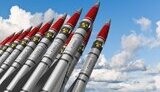
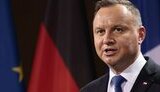
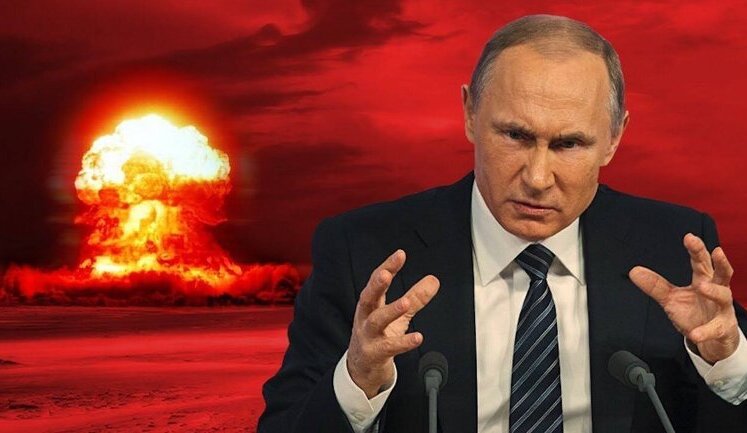
Nuclear weapons remain a focal point in global security discussions, with recent developments heightening tensions. Russia has warned of unspecified actions if NATO member Finland hosts nuclear weapons, asserting this could jeopardize Finland's security. Meanwhile, French President Macron has confirmed France's preparedness to deploy nuclear capabilities in allied European nations as needed. Belgian Defense Minister Theo Francken cautions against excessive discussions on nuclear weapons in the EU. Former US President Trump has claimed the US maintains a nuclear advantage over Russia. In Ukraine, President Zelenskyy clarified that security guarantees exclude a "nuclear umbrella," as a significant portion of the population sees developing their own arsenal as a potential security measure. These events illustrate the intricate balance of nuclear strategy and diplomacy in maintaining international peace.
Why is Russia concerned about Finland deploying nuclear weapons?
Russia views the deployment of nuclear weapons in Finland by NATO as a threat to its security, claiming it would make Finland more vulnerable. The presence of foreign nuclear weapons near its borders could lead to increased tension and military responses from Russia.
What is France's stance on deploying nuclear weapons in Europe?
France, under President Macron, has expressed readiness to support its European allies by deploying nuclear weapons as deemed necessary. This move is part of broader strategic efforts to enhance collective security among EU nations.
How does the US perceive its nuclear weapons strength compared to Russia?
Former US President Trump asserted that the United States possesses more nuclear weapons than any other country, including Russia. This statement underlines the ongoing nuclear arms competition and the strategic importance both countries place on their arsenals.
What role do nuclear weapons play in Ukraine's security strategy?
President Zelenskyy has declared that Ukraine's security guarantees do not include nuclear weapons development or a "nuclear umbrella". However, a significant portion of Ukrainians believe that developing an independent nuclear arsenal might be a strong guarantee for national security.
What is the international response to Russia's testing of nuclear weapons capability?
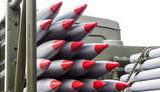
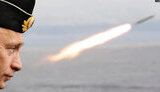
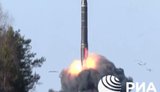
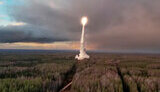
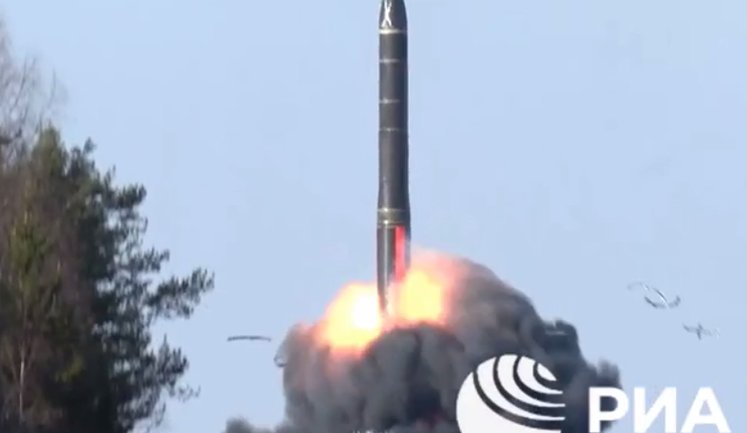
Russia's testing of nuclear capabilities, such as the Poseidon nuclear submarine and the Burevestnik missile, has drawn international scrutiny and concern. These tests are part of Russia's strategy to showcase its technological advancements and strengthen its military deterrent capacity.
How does China fit into global discussions on nuclear weapons?
China has declined participation in trilateral nuclear disarmament talks involving the US and Russia, indicating its reluctance to join discussions under the current conditions. This decision reflects China's view that such discussions may not adequately consider its security interests.
What is the potential impact of Russia building a nuclear base in Kaliningrad?
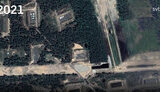
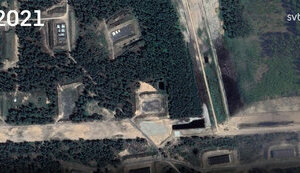
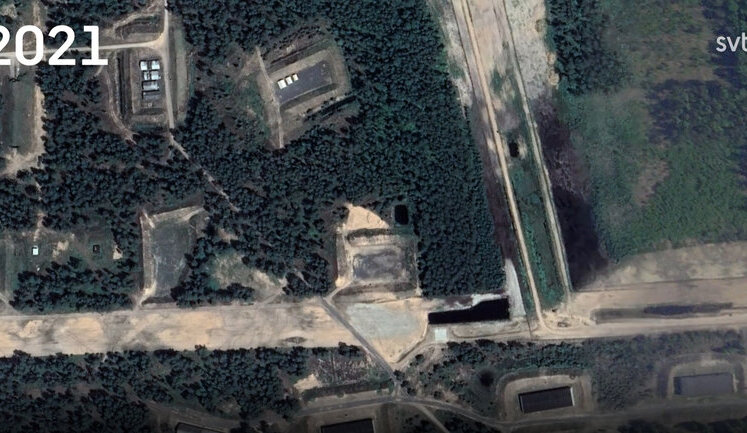
The development of a nuclear base in Kaliningrad by Russia, reported by Swedish media, underscores ongoing military efforts to bolster strategic positions near Europe. This action could enhance regional tensions and provoke reactions from neighboring countries and NATO.