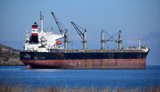
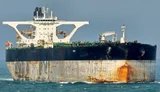
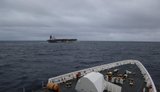
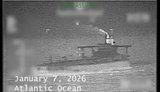
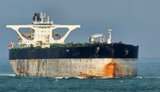
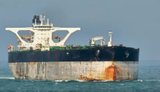
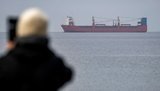
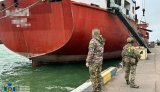
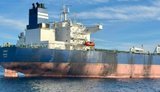
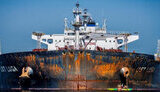
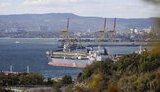
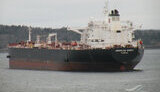
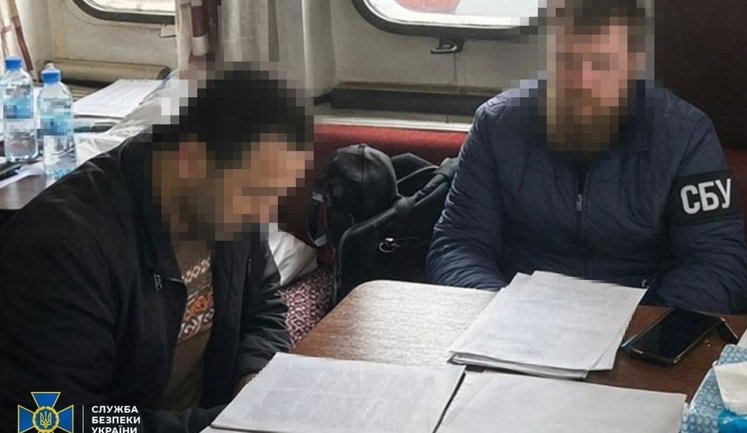
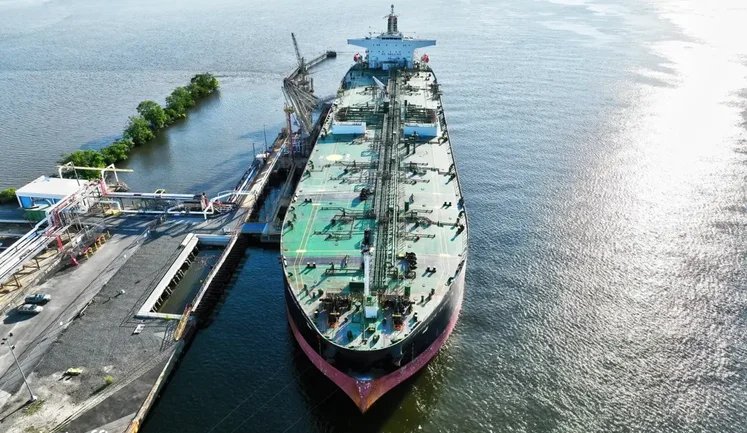
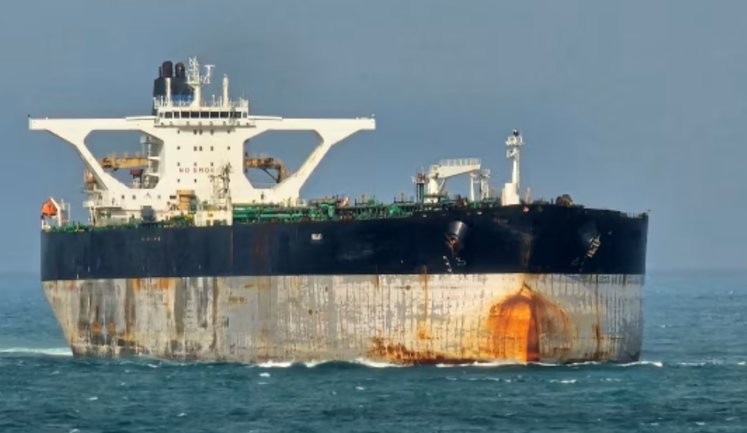
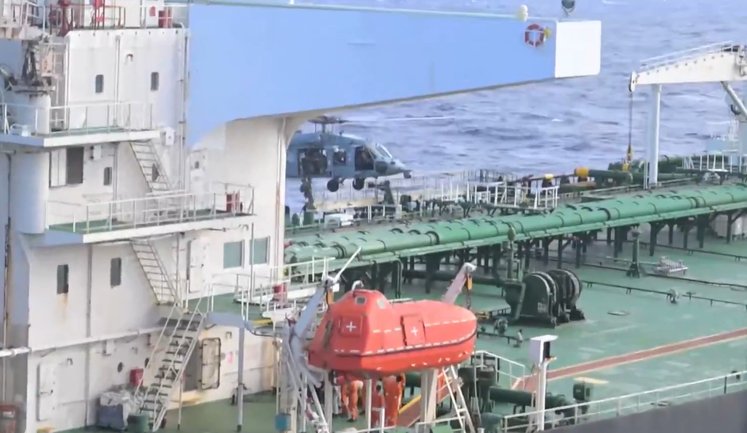
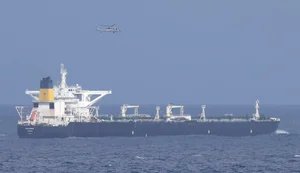
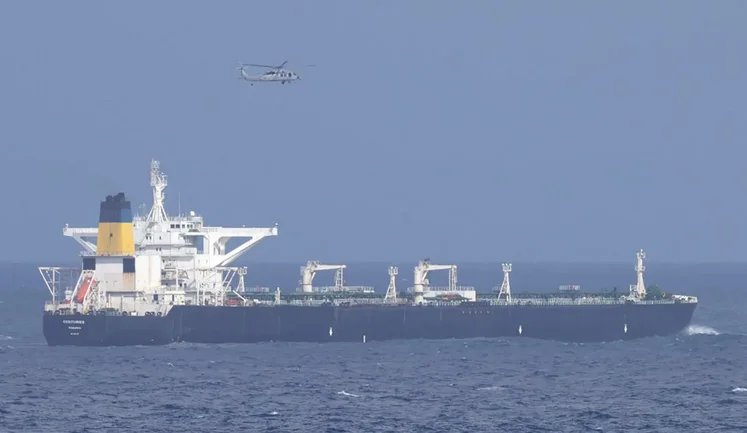
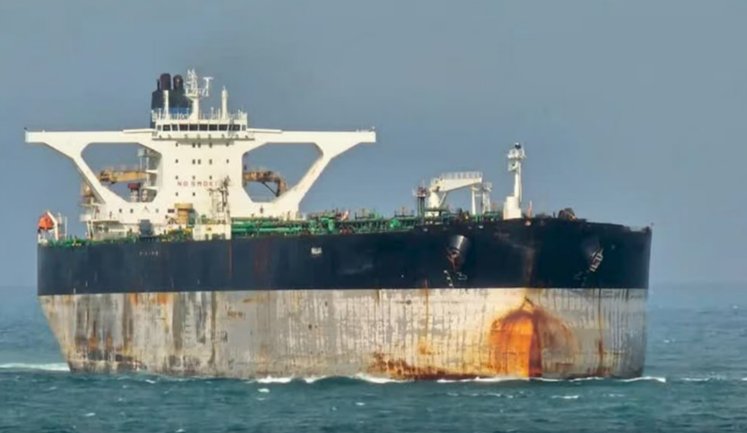
The international community is intensifying its efforts to counteract Russia's shadow fleet, a network of vessels allegedly transporting oil to circumvent sanctions. Recent developments include the European Union's discussion of a complete ban on maritime services for the shadow fleet, as stated by Kaja Kallas. Additionally, Canada has added 100 vessels to its sanctions list, bolstering efforts to curb Russia's energy exports. In the UK, new measures have been introduced to detain tankers associated with the shadow fleet, while the Netherlands and Belgium have also taken steps against these vessels. Key oil shipments to destinations like Cuba have been traced, raising concerns over sanctions evasion. The shadow fleet, which utilizes GPS spoofing and false flags, plays a crucial role in supporting Russia's economy and military efforts. The global crackdown aims to restrict Russia's ability to finance its activities through oil exports by tightening enforcement and legal frameworks to intercept these vessels.
What is meant by Russia's "shadow fleet"?
Russia's "shadow fleet" refers to a network of vessels used to transport oil in circumvention of international sanctions. These ships often operate under false flags and use deceptive practices to avoid detection, enabling Russia to continue oil exports amidst global restrictions.
Why has the EU moved to ban maritime services for the shadow fleet?
The EU's consideration of banning maritime services for the shadow fleet aims to cut off essential support that facilitates the operation of these vessels. By tightening maritime restrictions, the EU intends to hamper Russia's ability to transport oil and weaken its financial support for military activities.
What are the implications of Canada's new sanctions on Russia's shadow fleet?
Canada's additional sanctions against 100 vessels aim to strengthen international efforts to impose economic pressure on Russia. By targeting the shadow fleet, Canada seeks to disrupt Russia's oil supply chain, curbing its revenue streams and potential funding for conflict-related activities.
How does GPS spoofing contribute to the shadow fleet's operations?
GPS spoofing allows ships within Russia's shadow fleet to alter their location data, evading detection by authorities. This technology aids in circumventing maritime tracking systems, facilitating the unrestricted transport of sanctioned goods, such as oil, thereby undermining international sanctions.
What is the significance of the UK's actions against the shadow fleet?
The UK's decision to intercept and detain tankers from Russia's shadow fleet underscores its commitment to enforcing sanctions and limiting Russia's oil exports. By authorizing military and law enforcement interventions, the UK aims to disrupt illegal trade routes and degrade Russia's financial resources for warfare.
How are international collaborations affecting the shadow fleet?
International collaborations, such as those between the UK and its allies, enhance the ability to monitor and intercept shadow fleet vessels. These joint efforts increase the effectiveness of sanctions enforcement, deterring illicit activities and promoting broader compliance with international trade regulations.
What impact does the shadow fleet have on global oil supply?
The shadow fleet's operations impact the global oil supply by allowing Russia to continue exports despite sanctions. These activities can destabilize oil markets, affect pricing, and undermine international efforts to penalize Russia economically for its geopolitical maneuvers.