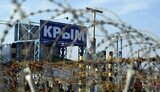
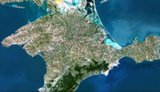
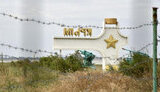
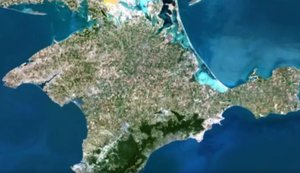
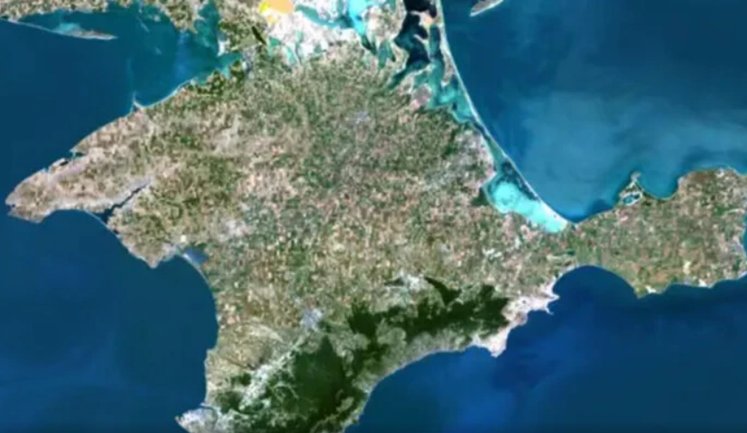
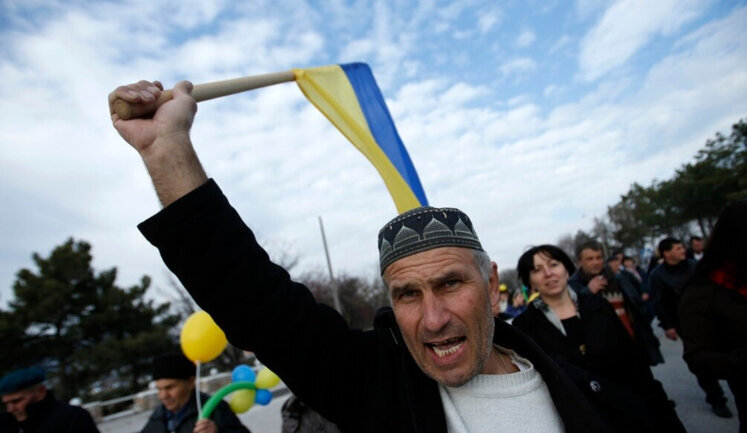
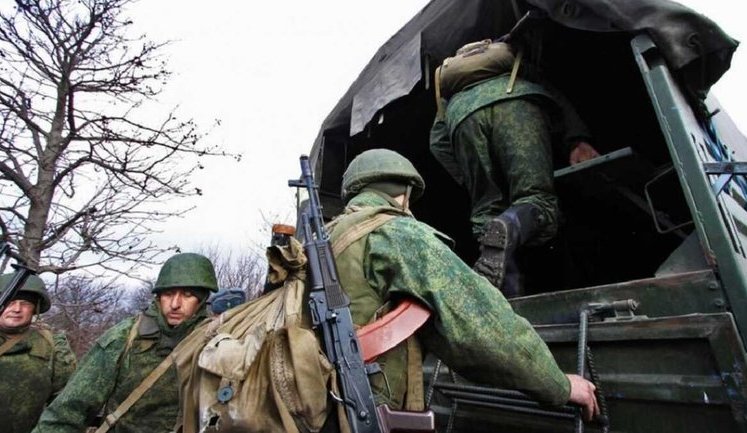
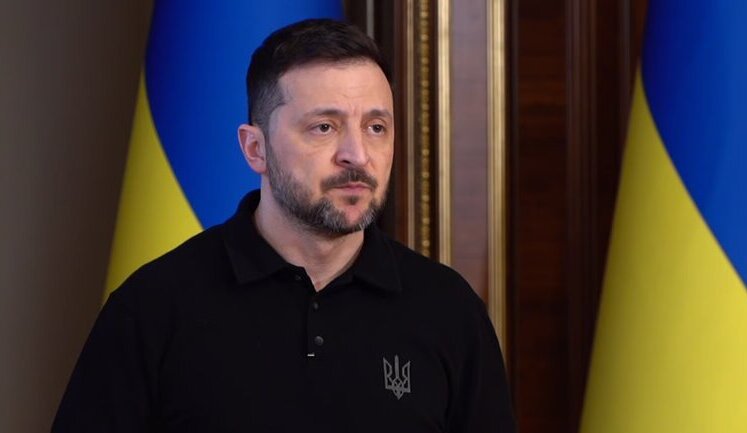
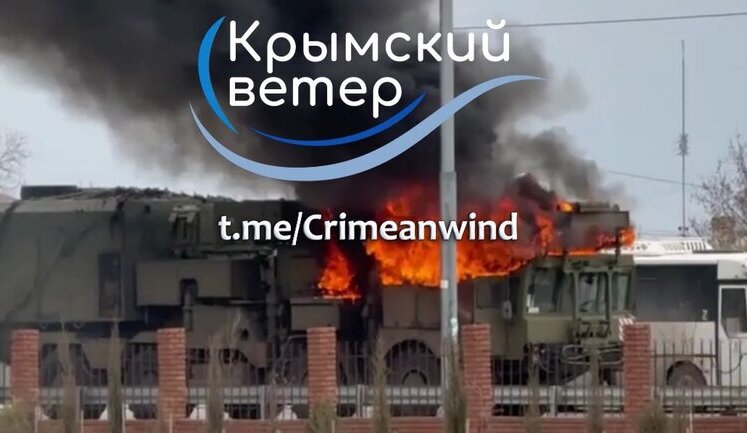
The Occupation of Crimea continues to be a significant international issue in 2026. Global leaders, including Ukrainian President Volodymyr Zelenskyy and UN Secretary-General António Guterres, have condemned Russia's actions, asserting Ukraine's territorial integrity over Crimea. Zelenskyy emphasized that concessions on Crimea contradict Ukraine's Constitution, while Guterres highlighted the inapplicability of self-determination in the context of Crimea and Donbas. The situation remains tense as the United States, under President Trump, considers recognizing Crimea as Russian territory, a proposal met with strong opposition from the EU. As military activities persist, with Russia strengthening its air defenses on the peninsula, Crimea remains a contentious hotspot for geopolitical debates and international diplomacy.
What is the current international stance on the occupation of Crimea?
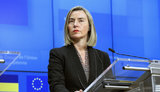
The global stance against Crimea's occupation by Russia remains firm, with leaders like President Zelenskyy, UN Secretary-General Guterres, and EU representatives rejecting Russia's claims and emphasizing Ukraine's territorial integrity. The EU continues sanctions, and Turkey reaffirms non-recognition of the Russian annexation.
How has Russia responded to international pressure regarding Crimea?
Russia has fortified its military presence in Crimea through enhanced air defenses, defying international pressure. They seek international acknowledgment, particularly from the US, to recognize Crimea as Russian, which remains a contentious diplomatic issue.
What role does the United States play in the Crimean territorial dispute?
Under the Trump administration, the US is considering recognizing Crimea as Russian to facilitate a peace deal, a move that has sparked criticism and debate. This stance contrasts starkly with EU policies and Ukraine's firm opposition to such recognition.
What military developments have occurred in Crimea recently?
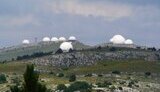
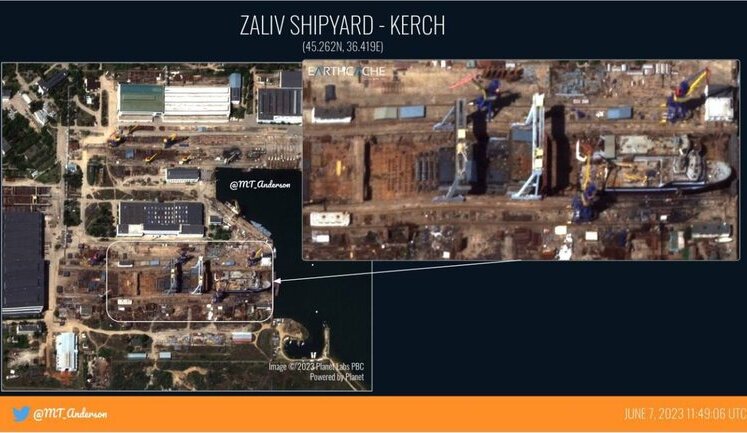
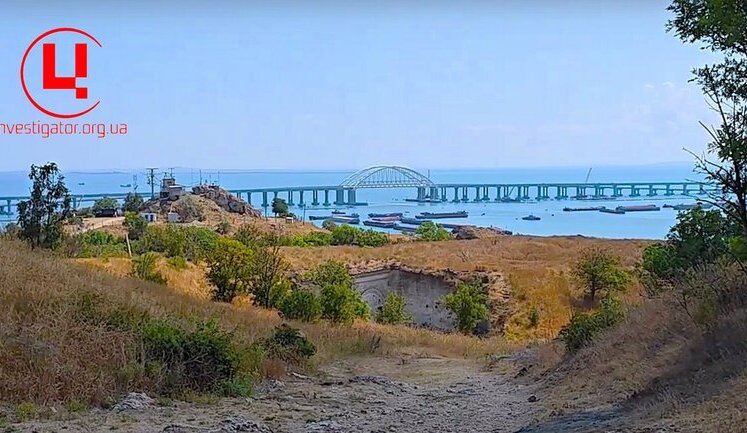
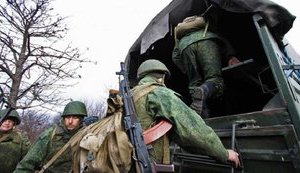
Military developments in Crimea include the bolstering of Russian air defenses and construction of army installations. Ukrainian forces have conducted strikes on strategic military targets, further intensifying the conflict in the region.
How has the Crimean occupation impacted human rights and civil liberties?
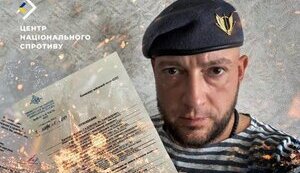
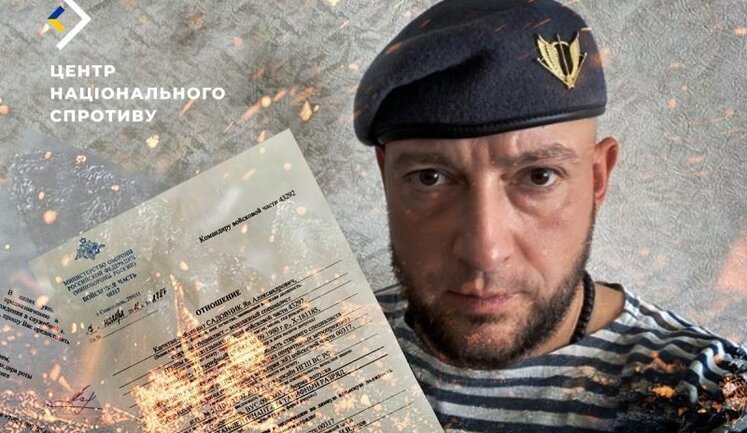
Human rights in Crimea are severely affected under Russian occupation. Reports indicate increased repression of Ukrainian citizens, with over 260 officials involved in this persecution. The humanitarian situation remains dire for those opposing the occupation.
What are the potential resolutions for the occupation of Crimea?
The potential resolutions involve diplomatic negotiations, although recognition of Crimea's status remains a major barrier. Ukraine and allied nations stress the importance of reversing the annexation and restoring sovereignty as primary goals for peace.