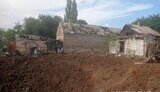
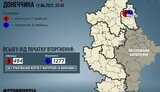
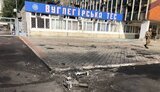
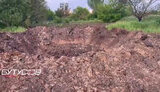
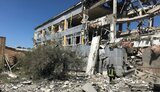
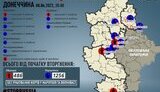
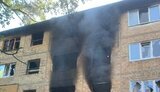
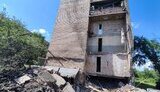
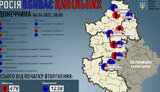
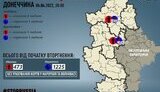
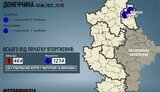
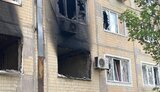
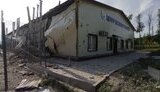
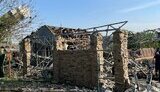
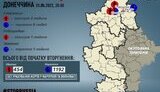
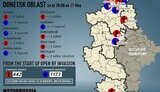
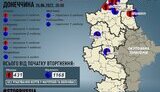
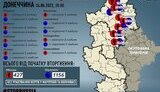
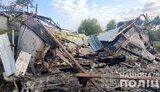
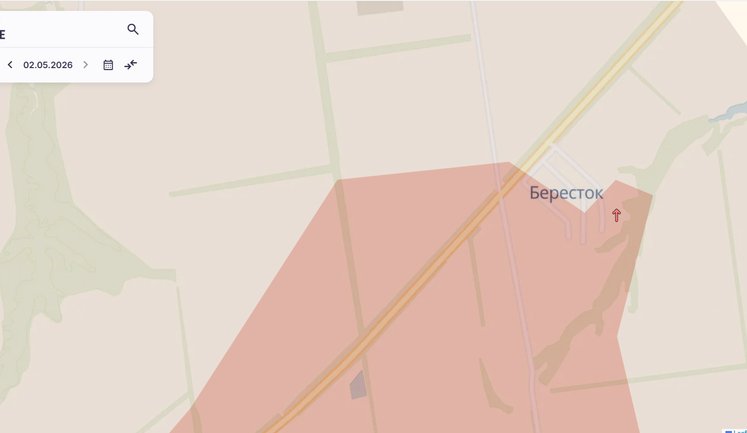
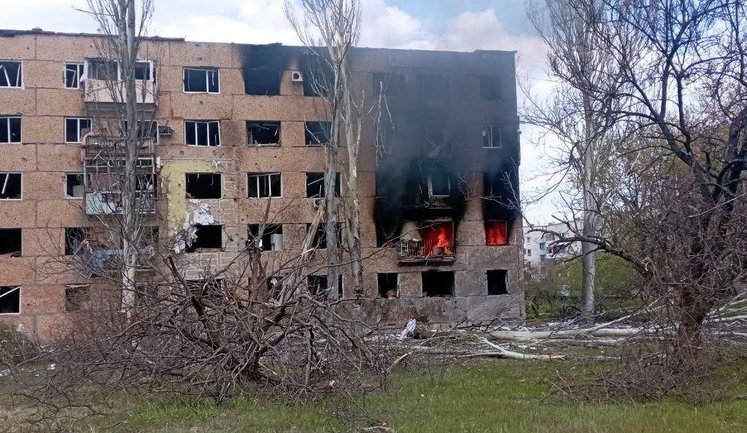
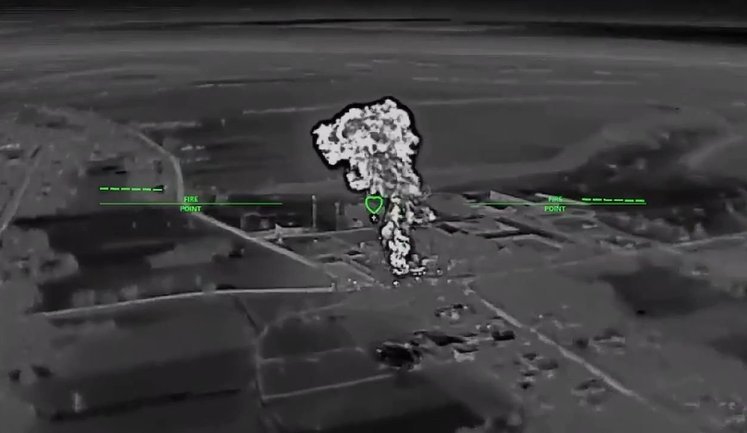
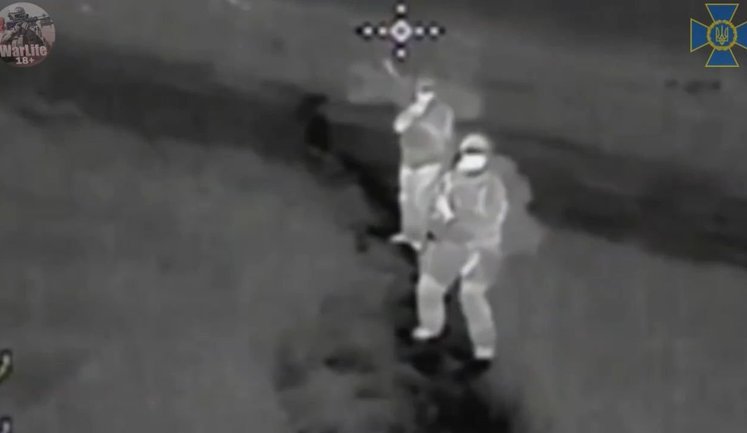
The Donetsk region is experiencing intense conflict as Defense Forces counter Russian advancements near Pokrovsk and other key areas. Recent operations include clearing actions near Rodynske and Vilne, amidst a backdrop of escalating shelling by Russian forces. Public sentiment remains resolute, with 57% of Ukrainians opposing troop withdrawal from Donetsk, according to a recent KIIS poll. Civilians face constant danger as urban centers like Druzhkivka and Kramatorsk are targeted by drone strikes and shelling. Notably, the National Guard's Azov unit has reported the destruction of over 3,500 Russian UAVs. As the situation develops, Ukrainian forces continue to strengthen defensive positions, while Russian strategies evolve in response to these tactical challenges.
What is the current situation in the Donetsk region?
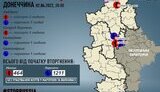
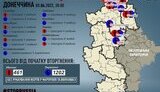
The Donetsk region is currently under heavy siege with frequent clashes and shellings between Ukrainian Defense Forces and Russian troops. Major areas like Pokrovsk are hotspots for strategic operations and civilian sectors are frequently targeted, causing significant casualties and displacement.
How have Ukrainian forces responded to Russian advancements in Donetsk?
Ukrainian Defense Forces have engaged in active clearing operations in key areas like Rodynske and Vilne. They have reinforced their positions through defensive strategies and tactical strikes against Russian advances to counteract the pressure on critical urban centers in the region.
What role do drones play in the conflict in Donetsk region?
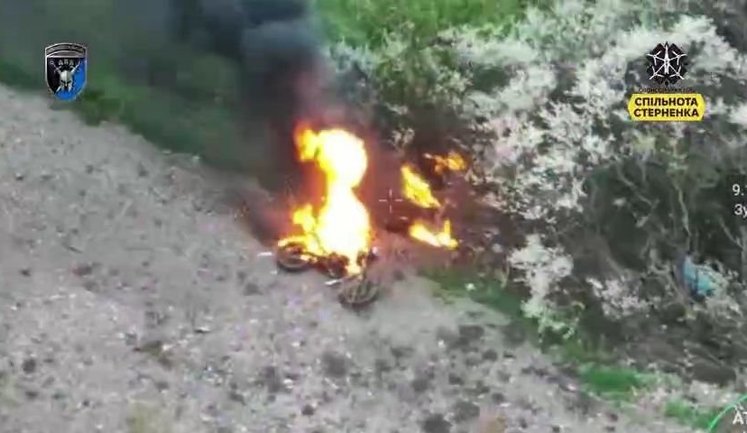
Drones have become a pivotal element in the conflict, with Ukrainian forces utilizing them for strategic strikes and intelligence gathering. The Azov unit notably reported the destruction of over 3,500 Russian drones in April, highlighting the intense aerial combat in the region.
What is public opinion regarding the presence of troops in Donetsk?
Public opinion is notably against troop withdrawal from the Donetsk region. A KIIS poll reflects that 57% of Ukrainians oppose such actions even with potential security guarantees, emphasizing national resistance and the determination to maintain defense efforts.
What has been the impact of Russian tactics in the region?
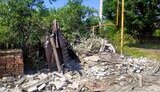
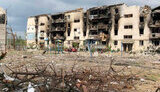
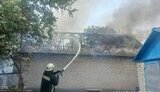
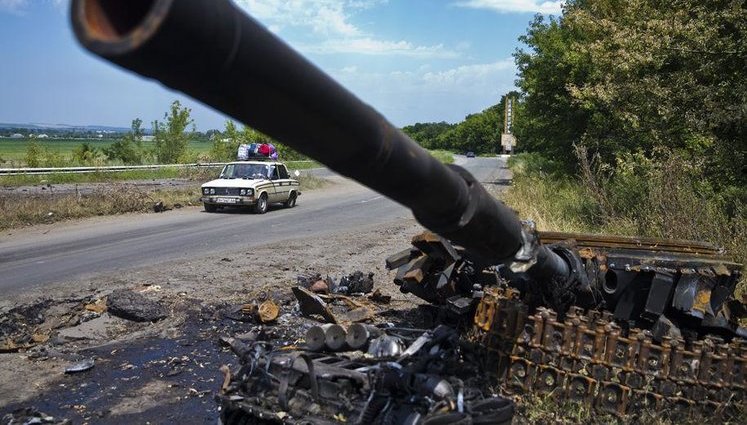
Russian forces have heavily relied on artillery shelling and drone strikes, causing widespread destruction and casualties across the Donetsk region. Their strategy includes massive shelling of residential areas, which has deeply affected civilian life and infrastructure, escalating the humanitarian crisis.
Are there any notable events involving Ukrainian resistance in Donetsk?
Ukrainian forces continue to mount substantial resistance, including successful drone operations that have inflicted significant losses on Russian equipment and personnel. Operations conducted by units such as the SIGNUM battalion have played a crucial role in staving off Russian advances and securing territorial integrity.