The television landscape is witnessing pivotal changes as recent events reflect its role in modern conflict and media consumption. Notably, Russian strikes hit a Chernihiv TV tower and the Kyiv office of ATR TV suffered significant damage in missile attacks. The impact of these assaults is profound as they disrupt not only infrastructure but also information flow. Meanwhile, television personalities and media workers have been tragically affected in the conflict, with several prominent figures killed on the front lines. This highlights the intertwining of media roles and national defense. Additionally, hacker attacks have broadcast pro-Russian propaganda on Ukrainian TV, exemplifying the digital challenges faced by media outlets. The situation underscores the evolving importance of television in contemporary warfare and media landscapes.
What was the impact of the strike on the Chernihiv television tower?
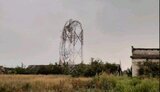
The strike on the Chernihiv television tower was a significant event as it disrupted broadcasting capabilities in the region. Such attacks are part of a wider effort to control information flow and impact public morale during conflicts. The damage not only affects local broadcasting but also serves as a tactic in psychological warfare, aiming to suppress communication channels and cripple the dissemination of information to the public.
What happened to the office of Crimean Tatar TV channel ATR in Kyiv?
The office of Crimean Tatar TV channel ATR in Kyiv was hit by a missile attack which caused substantial damage. Fortunately, none of the journalists were injured. This attack highlights the ongoing threats to media entities in conflict zones and the targeted nature of strikes that aim to silence and weaken informational outputs of such channels, especially those representing minority voices and perspectives.
How have hacking incidents influenced television broadcasts in Ukraine?
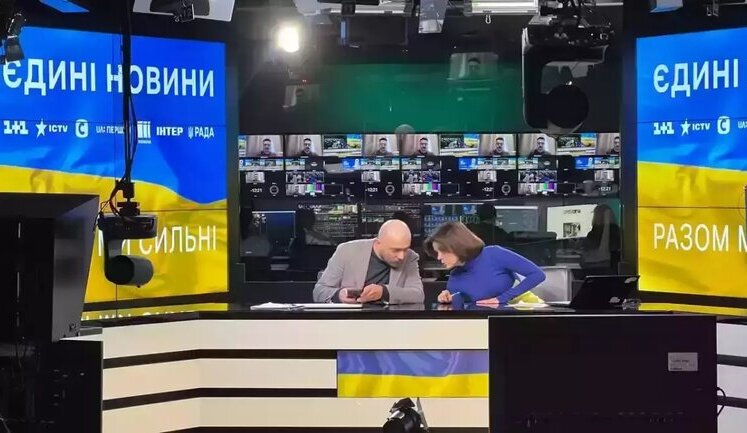
Hacking incidents have significantly influenced television broadcasts in Ukraine by injecting pro-Russian content into Ukrainian airwaves. Such cyber-attacks are designed to undermine the confidence in domestic media and sway public opinion. By broadcasting propaganda videos, these cyber-attacks challenge the integrity of Ukrainian media and illustrate the ongoing struggle for narrative control amidst the conflict.
Who are some of the media personalities affected during the Ukraine conflict?
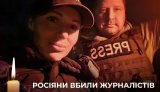
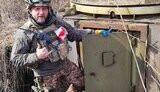
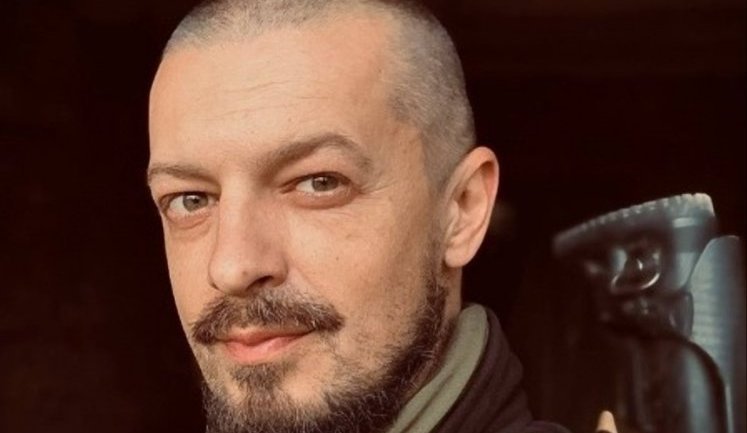
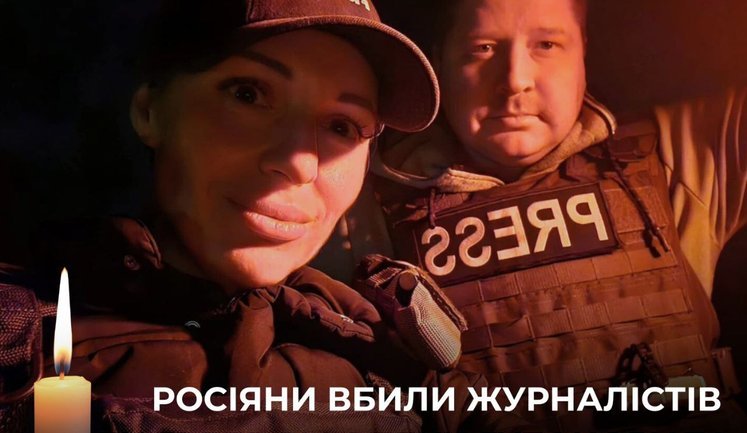
Several media personalities have been affected or lost their lives during the Ukraine conflict. Notably, journalist Olena Hubanova, cameraman Yevhen Karmazin, and actor Maksym Nelipa were among those killed. Their deaths underscore the perilous environment for media professionals working in conflict zones and the often-overlooked risks they undertake in delivering news from frontline areas.
How has television's role evolved in the context of modern conflict and society?
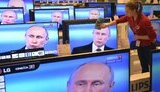
Television's role in modern conflict has evolved significantly, serving as both a tool for information dissemination and a target for psychological operations. It is a medium through which narratives are shaped and public opinion is influenced. The intersection of media and military objectives is particularly evident in regions experiencing conflict, where controlling the media equates to controlling influential narratives and maintaining or eroding public morale.