9211 visitors online
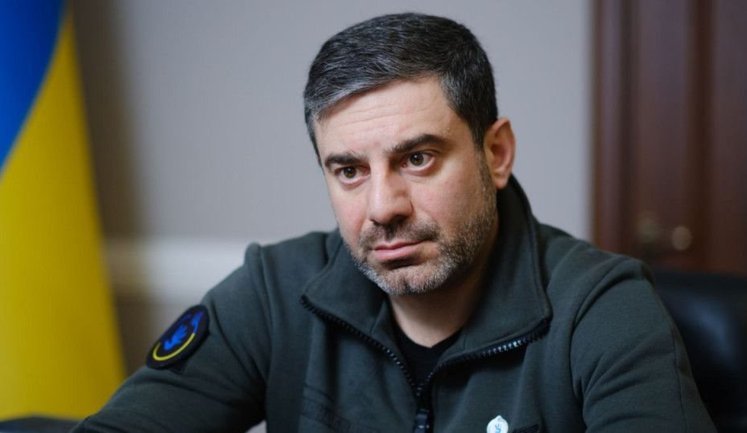
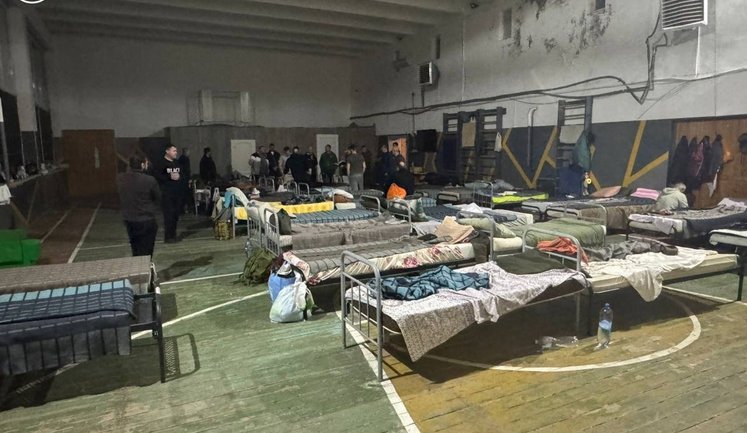
Dmytro Lubinets, as Ukraine's Commissioner for Human Rights, proactively addresses significant issues arising from the conflict with Russia. His office has taken steps to inspect detention conditions, finding human rights violations, particularly with NABU detective Ruslan Mahamedrasulov. Lubinets promotes the "all for all" prisoner exchange formula to return warfare and civilian detainees. Ukraine's territorial service violations and the mining of civilian areas underscore the challenges faced on the domestic front. The restoration of abducted children and the involvement of Qatar highlight international dimensions in resolving humanitarian crises. Lubinets' appeals to the UN emphasize the urgency in addressing war-related atrocities and escalations to ensure justice and safety for affected civilians and prisoners.

What are the key responsibilities of Dmytro Lubinets as Ukraine's Human Rights Commissioner?

Dmytro Lubinets, as Ukraine's Human Rights Commissioner, is tasked with overseeing and addressing human rights issues within Ukraine, particularly amid the ongoing war with Russia. Responsibilities include inspecting detention conditions, advocating for civilian safety, addressing violations by military recruitment bodies, and facilitating exchanges for Ukrainian POWs. His role involves coordinating with international bodies like the UN and ICRC to highlight war crimes and restore abducted individuals, especially children, to ensure human rights protections are maintained and international humanitarian laws are respected.

How does Dmytro Lubinets ensure the protection of human rights during the conflict?

Dmytro Lubinets employs multiple strategies to safeguard human rights during the Ukraine-Russia conflict. He conducts inspections of detention facilities to ensure compliance with human rights standards. Lubinets is active in promoting prisoner exchanges, working to return both POWs and civilians, including children, from occupied regions. He addresses systemic violations within Ukraine, such as those by the territorial recruitment centers, and collaborates internationally, engaging bodies like the UN and ICRC to apply pressure against war crimes, striving for accountability and the restoration of human rights.

What measures are taken by Dmytro Lubinets to address violations by the Territorial Centre for Recruitment (TCR)?

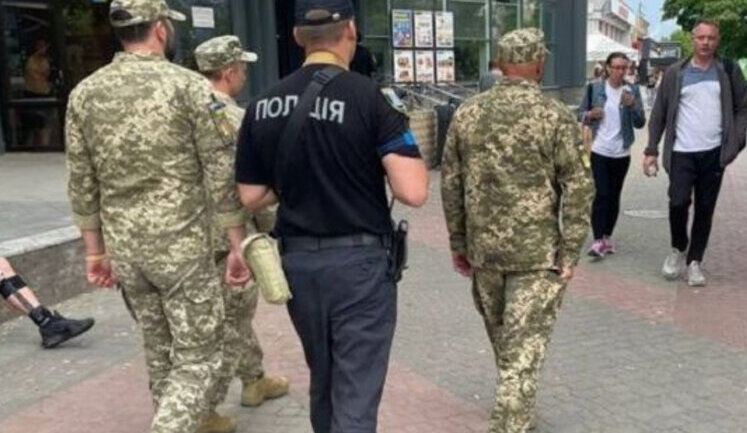
Dmytro Lubinets tackles TCR violations through direct intervention and advocacy. Recognizing systemic issues within military recruitment practices, he asserts the need to hold accountable those who abuse authority in conscription processes. His actions include processing citizen complaints, engaging with government bodies to propose legislative amendments, and ensuring disciplinary actions against those infringing on citizens' rights. Lubinets' approach underscores a commitment to reforming the recruitment system, aligning it with humanitarian values and ensuring the protection of Ukrainians during the conflict.

What progress has been made in prisoner-of-war exchanges under Lubinets?

Under Dmytro Lubinets' oversight, significant progress has been made in facilitating POW exchanges between Ukraine and Russia. He advocates for systematic exchanges, enabling the return of thousands of military personnel and civilians. By leveraging international diplomatic channels and securing agreements for large-scale exchanges, Lubinets helps restore prisoners, emphasizing humanitarian treatment and adherence to international laws. His efforts, especially highlighted by collaborations with nations like Qatar, illustrate the cooperative approach in resolving complex humanitarian issues during wartime.

How does international collaboration aid Dmytro Lubinets in his human rights duties?

International collaboration is pivotal for Dmytro Lubinets in addressing the various human rights challenges posed by the conflict. Collaborating with global bodies like the UN and ICRC, Lubinets seeks to highlight and combat war crimes, ensuring violations are not overlooked. International support, such as from Qatar, facilitates the safe return of abducted children and civilians. Such partnerships enhance pressure on aggressors for accountability, promote adherence to international humanitarian laws, and provide indispensable diplomatic leverage to address broader humanitarian crises effectively.

In what ways has Dmytro Lubinets highlighted the issue of civilian safety in Ukraine?

Dmytro Lubinets actively underscores the issues of civilian safety amidst ongoing conflict through diverse measures. He addresses the dangers posed by mining and attacks, emphasizing violations of international laws by Russian forces. His public statements and reports to international bodies aim to raise global awareness about the plight of civilians and the severe repercussions of military aggression. Additionally, coordinating humanitarian aid, ensuring shelter adequacy, and documenting civilian casualties form part of his strategy to advocate for enhanced protection and prioritization of civilian welfare in conflict zones.

show details

TOP news Lubinets Dmytro

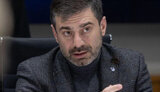
Уповноважений Верховної Ради з прав людини Дмитро Лубінець 219 Crimean political prisoners remain in Russian prisons - Lubinets Currently, 219 Crimean political prisoners remain in Russian prisons. 499 0

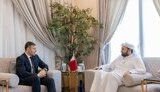
Lubinets and Mohammed bin Abdulaziz Al Khulayfi on the return of Ukrainian children Lubinets and Qatari Foreign Minister discuss return of Ukrainian children abducted by Russia The Verkhovna Rada Commissioner for Human Rights Dmytro Lubinets met with Foreign Minister Mohammed bin Abdulaziz Al-Khulaifi in Qatar to discuss the return of Ukrainian children and civilians from the occupied territories and Russia. 354 1 Previously in trend: Returning children from occupation

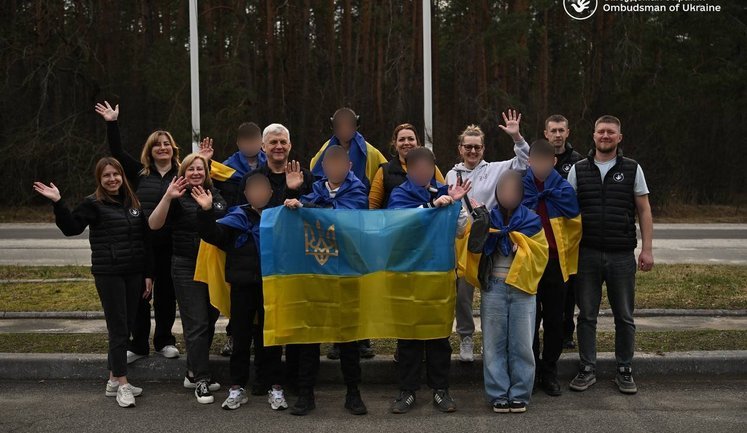
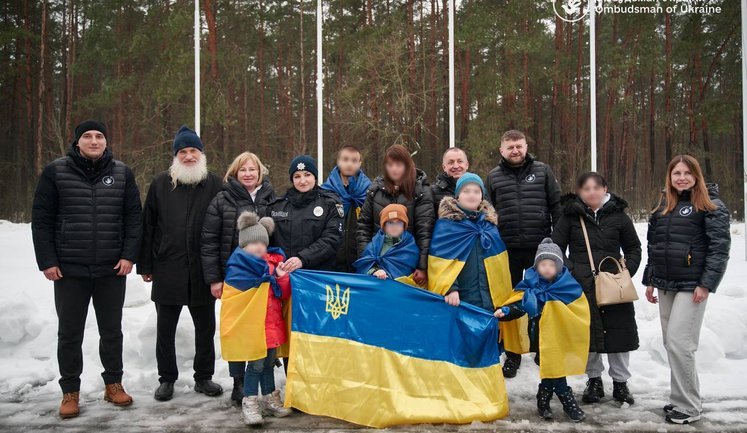
Return of children from occupation and Russia Another 11 children returned from occupation and Russia – Lubinets. PHOTOS We managed to return 9 children from the temporarily occupied territory of Ukraine, and two more from Russia. 441 1 Previously in trend: Returning children from occupation

Occupiers deliberately mine civilian objects Occupiers are deliberately mining civilian objects, making restoration of liberated territories impossible – Lubinets Russian troops have been deliberately mining civilian objects, forests, roads, abandoned equipment, and even children's toys, and 336 people have died from explosive devices since February 2022, including 18 children. 453 2

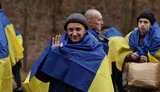
Жінку із окупованої частини Запорізької області вивезли на підконтрольну територію She was unable to leave due to health problems: Woman was returned from occupation in Zaporizhzhia.. PHOTOS A woman was returned from the temporarily occupied territories who was unable to travel to the territory controlled by Ukraine due to health problems. 1 642 0 Previously in trend: War

Двох жінок повернули з окупації Two women, one of whom had been illegally detained by Russians for long time, returned from occupation - Lubinets. PHOTO Two women were returned from the occupied territories of Ukraine, one of them was illegally detained by the Russian Federation. 2 285 0

Lubinets called on OSCE to help return children Lubinets to OSCE: Over 1.5 million Ukrainian children are under occupation and under threat of deportation and forced displacement Ukrainian Parliamentary Commissioner for Human Rights Dmytro Lubinets addressed the OSCE participating states and called on them to take measures to return the Ukrainian children abducted by Russia. 347 7

Children returned to Ukraine from occupation and Russia 11 children were managed to return to Ukraine from occupation and Russia, - Lubinets. PHOTOS Following citizens' appeals to the Ombudsman's Office and as part of reintegration measures, they facilitated the return of 9 children from the temporarily occupied territory of Ukraine and two more from the territory of the Russian Federation. The return was carried out within the framework of the approved action plan of the President of Ukraine Bring Kids Back UA. 894 0 Previously in trend: Returning children from occupation