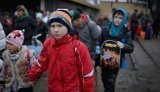
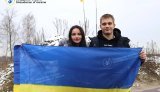
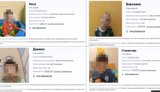
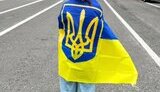
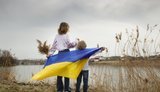
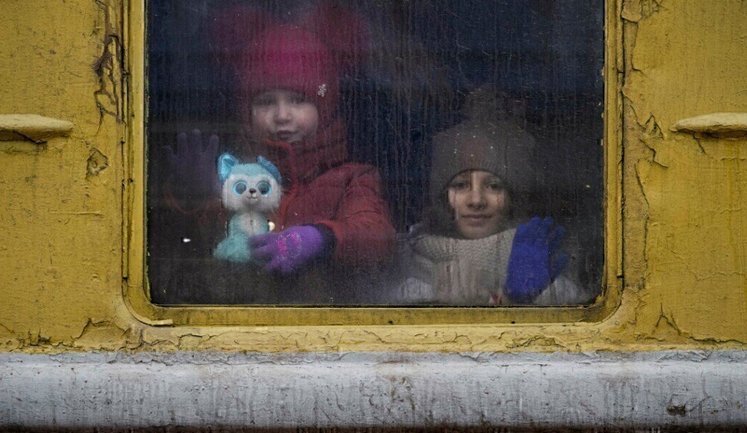
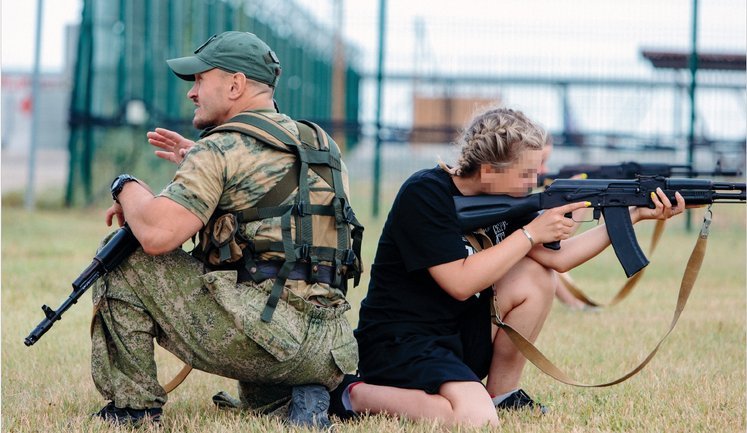
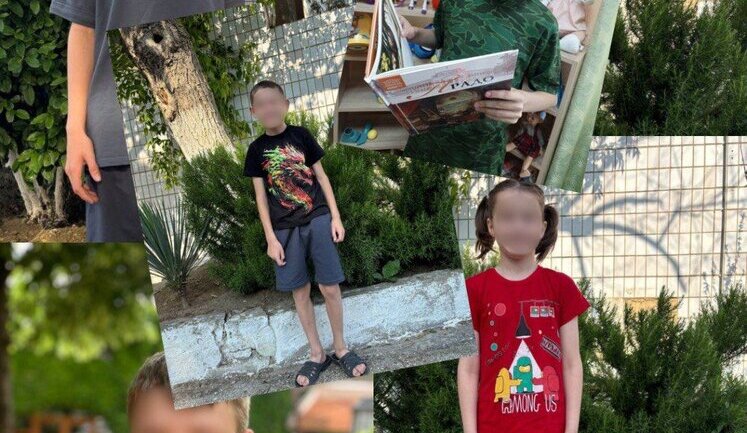
The abduction of Ukrainian children by Russia has garnered global attention, as Europol and its partners successfully traced 45 forcibly transferred children. The UN has adopted a resolution demanding the return of these abducted children. Reports highlight how Russia kidnapped kids from Kherson for adoption and put their profiles into a state database of orphans. High profile figures like Melania Trump have facilitated the return of some of these children to their families. Additionally, the US has allocated $25 million to help in the return and rehabilitation of these children, further emphasizing international collaboration and pressure to resolve this humanitarian crisis.
What actions is Europol taking regarding abducted Ukrainian children?
Europol, along with investigators from 18 countries, has traced 45 forcibly transferred Ukrainian children. They use open-source intelligence and coordinate investigations to locate and facilitate the return of these abducted minors.
How is the US supporting the return of Ukrainian children abducted by Russia?
The United States has allocated $25 million to support programmes aimed at the return and rehabilitation of Ukrainian children abducted by Russia. This funding underscores commitment to addressing and resolving the tragedy of forced child displacement.
What resolutions has the UN passed about the abduction of Ukrainian children?
The UN General Assembly has adopted a resolution demanding the return of abducted Ukrainian children, emphasizing international legal and moral pressure on Russia to cease these activities and return the displaced children to their families.
What has been Britain’s stance on Russia’s kidnapping of Ukrainian children?
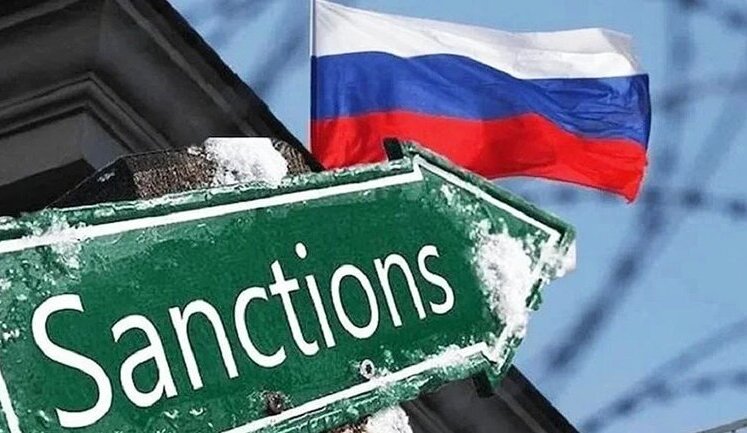
The United Kingdom has been vocal in condemning Russia's actions, with officials labeling the abductions as a tool of war. They have also sanctioned individuals involved in these activities, reflecting a strong stance against this violation of human rights.
Who is involved in global efforts to return the abducted Ukrainian children?
Global efforts involve numerous governments, international organizations, and notable figures, including Europol, the United Nations, and US First Lady Melania Trump. These efforts focus on tracing, returning, and rehabilitating the affected children and holding perpetrators accountable.
What measures have been proposed by Ukraine to address child abduction by Russia?
Ukraine has been proactive, compiling lists of abducted children, engaging international partners, and advocating for measures like a special envoy through the OSCE to facilitate their return. These efforts form part of broader international collaboration to resolve this issue.
How has Melania Trump contributed to the return of abducted Ukrainian children?
As the US First Lady, Melania Trump has played a significant role in facilitating the return of abducted Ukrainian children. Recently, she assisted in the reunification of six Ukrainian minors, underlining her advocacy for humanitarian efforts.
Why has the EU been involved in tracing abducted Ukrainian children?
The involvement of European Union bodies, such as Europol, is part of a coordinated international effort to address the abduction crisis. They provide technical expertise and coordinate multinational collaborations to ensure the safety and return of the minors.
What have Ukrainian authorities done to counter child abduction by Russia?
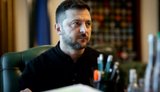
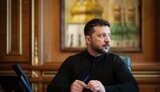
Ukrainian authorities have been actively tracing abducted children, compiling lists, and engaging with international bodies. President Zelenskyy has prioritized creating frameworks for collaboration with global partners to secure the return of these children.
What is the international response to Russia’s abduction of Ukrainian children?
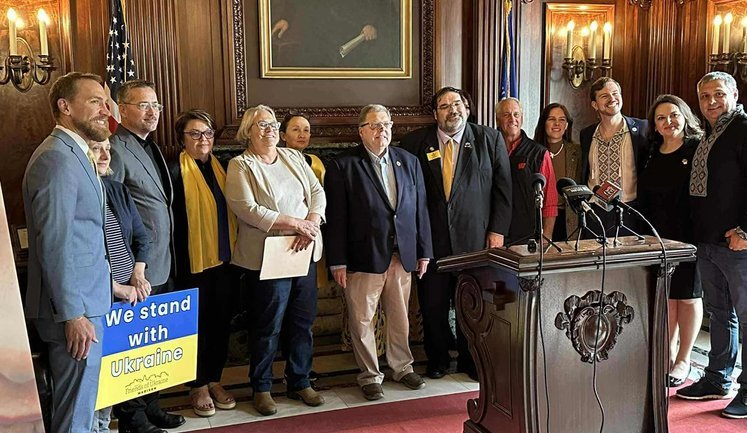
The international response has been robust, with resolutions, sanctions, and collaborative efforts emerging globally to pressure Russia into ceasing abductions and returning the abducted children. Countries and organizations continuously advocate for the protection of children's rights.