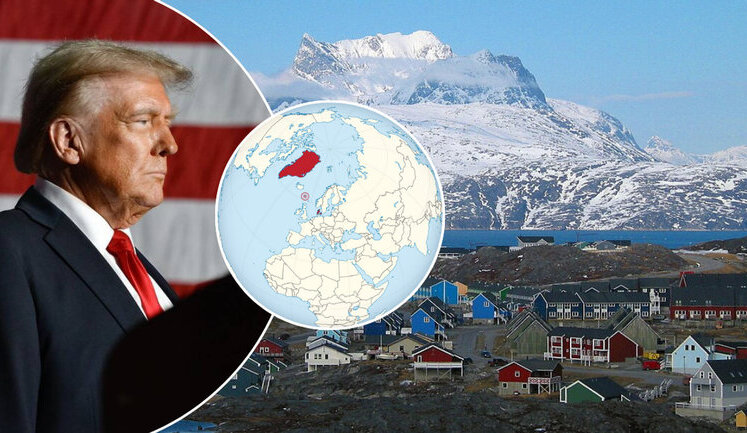
The issue of US control over Greenland is grabbing international headlines, fueled by President Trump's statements on potential military force. However, Trump assured that it "won’t get to that point" regarding Canada. By contrast, Denmark and NATO underscore that Greenland remains part of Denmark. In public opinion, a recent poll shows that 19% of US residents support Greenland's accession to the United States, highlighting a divide in perspectives. The Danish Foreign Ministry advocates for the US to adjust its tone and emphasizes collaboration for Arctic security. These developments underline the complex geopolitical dynamics and rising tensions in the region.
What did Trump say about military force against Greenland?
US President Donald Trump suggested the possibility of using military force to gain control over Greenland but stated this measure is unlikely to be necessitated in dealings with Canada. His statements have sparked a global conversation surrounding the United States' intentions in the Arctic.
What is NATO's position on Greenland's status?
NATO Secretary General Mark Rutte clarified that Greenland is a part of Denmark. This statement reflects the international understanding and acknowledges Denmark's sovereignty over Greenland, complicating any US ambitions for control.
How does the US public feel about Greenland joining the US?
A recent poll reveals that 19% of US residents support Greenland's accession to the United States. This statistic indicates a segment of the population with an interest in expanding US territory but also signifies a minority viewpoint within the nation.
What has Denmark urged the US to do regarding Greenland?
The Danish Foreign Ministry has called on the United States to change the tone of its official rhetoric concerning Greenland. Denmark emphasizes the importance of mutual cooperation among allies to ensure Arctic security and prevent escalations.
How does Trump's stance on Greenland affect US-Canada relations?
Although Trump mentioned potential military action against Greenland, he reassured that this approach would not apply to Canada. This distinction aims to protect the longstanding cooperative relationship between the US and Canada amid tensions over Arctic territories.