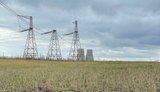
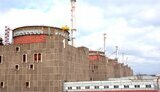
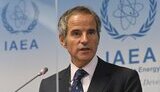
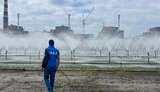
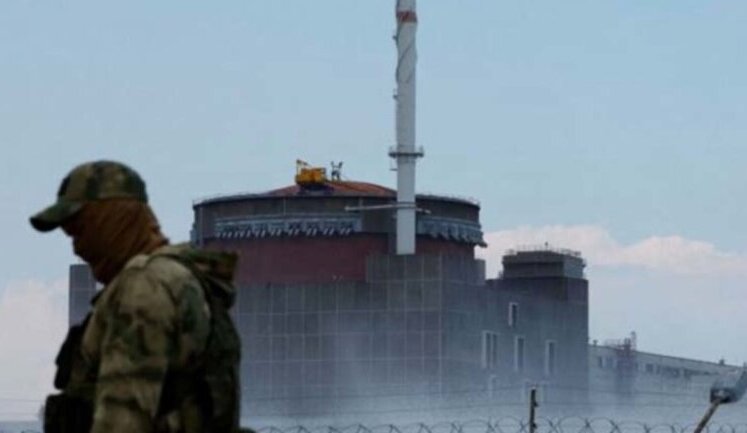
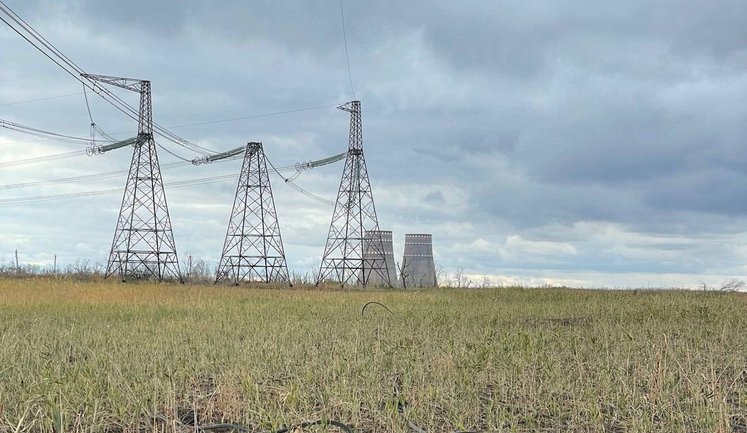
The Zaporizhzhya Nuclear Power Plant (ZNPP), under temporary Russian occupation, has been undergoing multiple challenges regarding its power supply. The International Atomic Energy Agency (IAEA) has intervened thrice to restore the plant's external power connection amidst fragile ceasefires. Recent efforts to reconnect an external power line have been successful, following a local truce. However, the plant remains on the brink of outages, with only one power line operational at times. Ukrainian specialists are actively repairing the power lines to mitigate the risk of blackouts. The international community, including Ukraine's Foreign Minister and IAEA Director General, calls for recognizing Russia's actions at ZNPP as illegal and dangerous. With the plant on diesel generators during power cuts, ensuring a stable power supply to Zaporizhzhya NPP is crucial for nuclear safety.
What measures are taken to ensure the power supply at Zaporizhzhya NPP?
Efforts to secure the power supply at Zaporizhzhya NPP involve coordinated ceasefires to facilitate repair work on damaged transmission lines. The International Atomic Energy Agency (IAEA) plays a critical role in these initiatives, periodically overseeing restoration activities. Despite these measures, the power supply remains unstable due to ongoing conflicts in the region. Local engineers and international experts continue to work towards establishing a reliable power connection to maintain nuclear safety.
How frequently are ceasefires declared near Zaporizhzhya NPP for repairs?
Ceasefires are intermittently declared near the Zaporizhzhya Nuclear Power Plant to allow repair teams to safely carry out essential maintenance and restoration tasks on the plant's power lines. These local truces are vital due to the volatile nature of the conflict surrounding the plant. Though not frequent, they are crucial for maintaining temporary stability in the power supply, as demonstrated by recent efforts that have successfully connected external power lines to the grid.
What is the role of the International Atomic Energy Agency at Zaporizhzhya NPP?
The International Atomic Energy Agency (IAEA) plays a pivotal role at the Zaporizhzhya Nuclear Power Plant, especially concerning its power supply challenges. The agency is involved in facilitating repairs by helping arrange ceasefires and monitoring safety standards. IAEA's Director General, Rafael Grossi, has been active in highlighting the compromised safety conditions at the plant, underscoring the risks associated with its current status under occupation. The IAEA continues to work with international partners to secure a stable and safe operating environment for ZNPP.
How is the power restored at Zaporizhzhya NPP during outages?
During power outages at Zaporizhzhya NPP, restoration efforts typically involve connecting external power lines, often facilitated by temporary ceasefires. Local engineers and international observers work together to swiftly repair damaged infrastructure and restore connectivity to Ukraine’s power grid. In critical situations, diesel generators are deployed to ensure the plant remains operational until external power is fully restored. These measures are vital for maintaining nuclear safety and preventing potential blackouts at one of Ukraine's key energy sites.
What international responses have been triggered by the situation at Zaporizhzhya NPP?
International responses to the crisis at Zaporizhzhya NPP have been substantial, with various organizations and governments expressing concerns over nuclear safety under Russian occupation. Ukraine has called on the international community to recognize and condemn Russia's actions at the plant as unlawful and hazardous. The IAEA is engaged in ongoing monitoring and intervention to facilitate repairs and uphold safety standards. These efforts are part of a broader call to apply international pressure on Russia to ensure the plant's operational integrity and security.