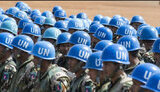
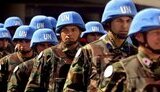
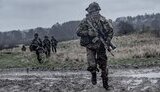
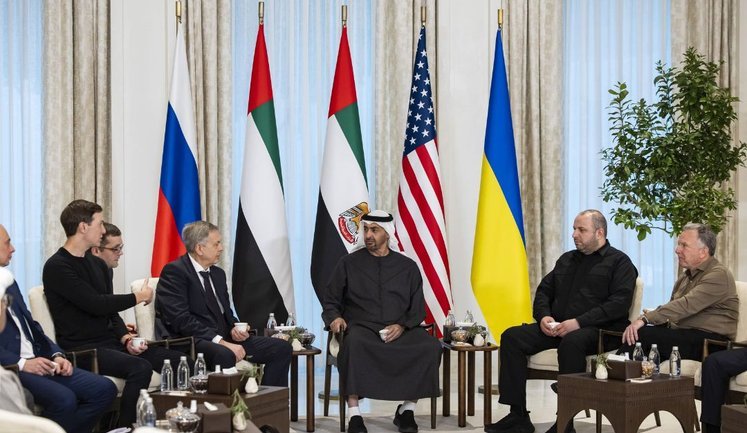
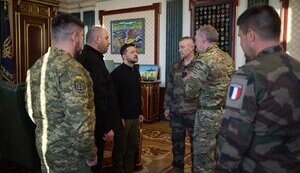
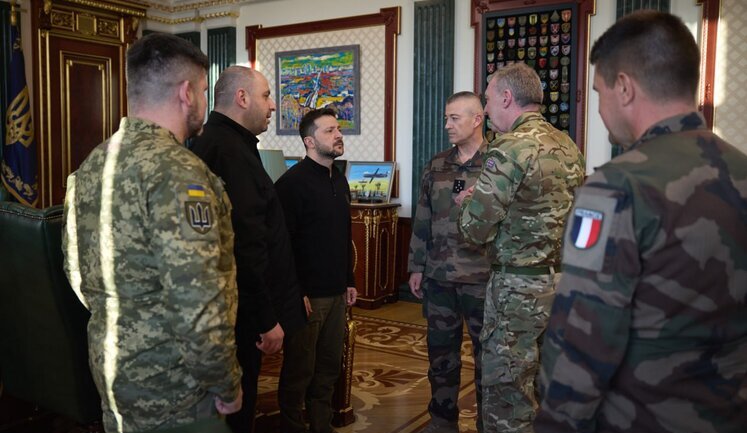
European countries are considering deploying up to 15,000 troops in Ukraine post-war as part of the "Coalition of the Willing." This deployment hinges on achieving a ceasefire or a peace agreement. Switzerland, under UN or OSCE mandates, and other nations like Estonia, UK, and Indonesia have expressed readiness to send peacekeepers. However, public opinion in some EU countries and Russia's opposition pose challenges. Germany and the US discuss security guarantees, while both France and Britain consider contingent parameters. President Zelenskyy highlights that any foreign military presence can only occur post-hostilities.
What is the role of the "Coalition of the Willing" in peacekeeping?
The "Coalition of the Willing" consists of nations prepared to deploy military forces in Ukraine post-war. Their role is to support peacekeeping efforts contingent upon a formal ceasefire or peace agreement. These countries are committed to ensuring stability and security in Ukraine as it transitions to peace, coordinating closely under internationally agreed mandates like those from the UN or OSCE.
Under what conditions can peacekeepers be deployed to Ukraine?
The deployment of peacekeepers to Ukraine is contingent upon reaching a ceasefire or a formal peace agreement between the involved parties. Several countries, including those in the "Coalition of the Willing," have stated their readiness to send troops only after hostilities have ended, ensuring that their presence is stabilizing rather than escalating tensions.
How are European nations preparing for potential deployment in Ukraine?
European nations are actively planning the deployment of peacekeepers to Ukraine. As part of this preparation, some nations have committed to sending troops as soon as hostilities cease. These preparations include understanding the logistical needs, securing legal mandates from organizations like the UN or OSCE, and addressing public opinion within their own countries to ensure any actions taken are widely supported.
What are the challenges in deploying peacekeepers to Ukraine?
The challenges in deploying peacekeepers to Ukraine include obtaining international agreements and mandates from bodies like the UN or OSCE, opposition from Russia, and lack of consensus among European countries due to public opinion. Furthermore, logistical issues such as troop numbers and the coordination of a multinational force add to the complexity of such deployment plans.
What stance has Russia taken on foreign troops in Ukraine?
Russia has firmly opposed the deployment of foreign troops in Ukraine, viewing it as an unacceptable intervention. The Russian government, through spokespeople like Dmitry Peskov, have reiterated their opposition and suggested that the presence of such forces would complicate dialogue and negotiating terms for peace. This stance remains a significant factor in international discussions regarding post-war stabilization efforts in Ukraine.
Is the United Nations involved in peacekeeping plans in Ukraine?
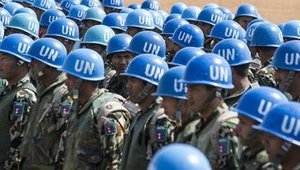
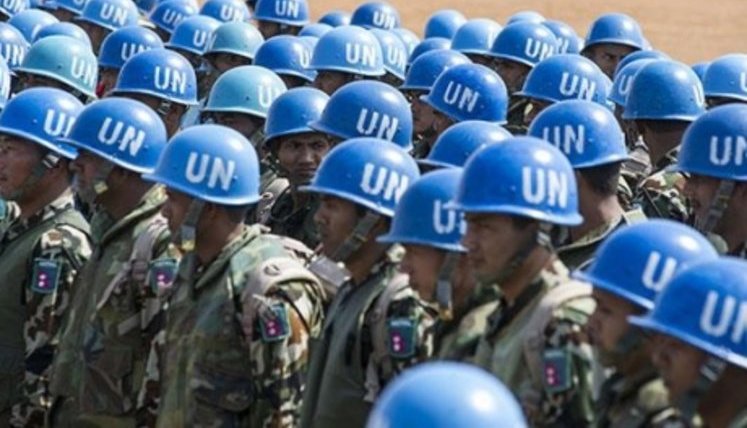
The United Nations could potentially play a role in peacekeeping missions in Ukraine through its mandate. Several countries have expressed willingness to participate under a UN mandate once a peace agreement is secured. The involvement of the UN is seen as a way to legitimize and coordinate international efforts to stabilize Ukraine once hostilities cease.