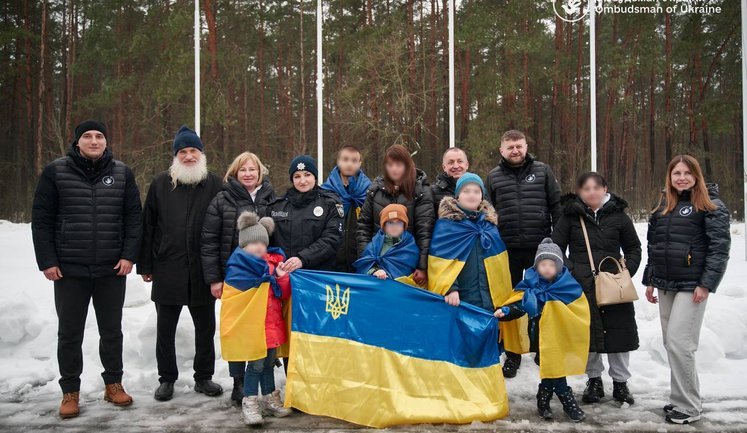
In 2026, the issue of occupation remains a pressing topic in Ukraine. The Ministry of Education and Science approved new education recognition procedures for students from occupied territories, highlighting attempts to maintain educational standards despite challenges. Disturbing reports like the discovery of a mass grave in Mariupol, dating back to 2022, remind us of the atrocities endured. Russian officials accused of forced Russification face justice, shedding light on the darker side of occupation policies. In contrast, continuous efforts to support and evacuate civilians and children from affected regions bring hope amidst adversity. The dynamic situation reflects the complexity and resilience of Ukrainians in occupied territories.
What measures are being implemented for educational standards in occupied territories?
The Ministry of Education and Science of Ukraine has introduced a new procedure to recognize the learning outcomes of individuals in occupied regions, aiming to ensure continuity and credibility of educational attainments, hence supporting those affected by occupation in safeguarding their academic future despite the tough circumstances.
What are the recent developments in Mariupol related to occupation?
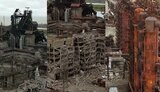
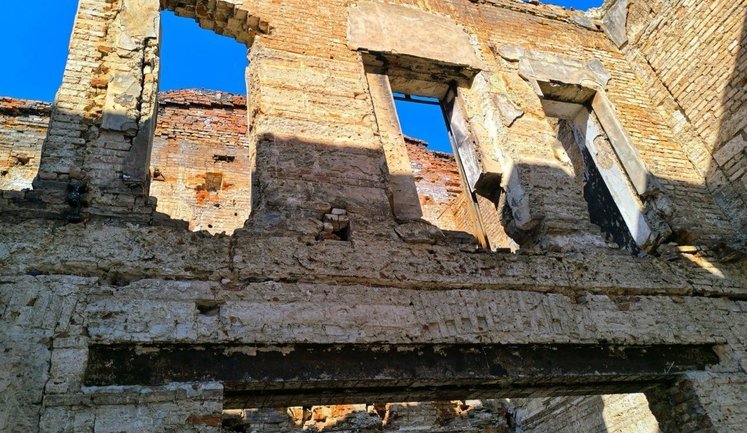
Mariupol, a city heavily impacted by the conflict, has seen the uncovering of a mass grave from 2022. This find underscores the ongoing humanitarian issues and highlights the need for justice and remembrance for victims amid ongoing trials and discussions about occupation policies in the area.
Who is responsible for the forced Russification in occupied territories?
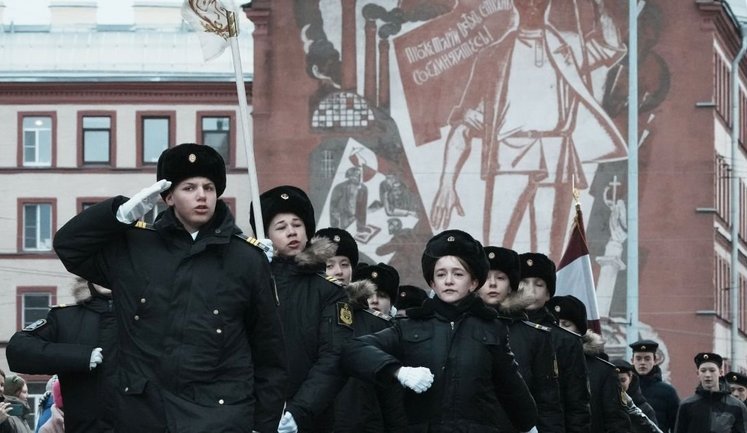
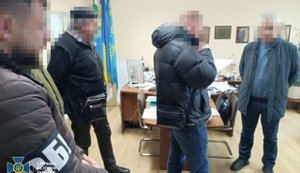
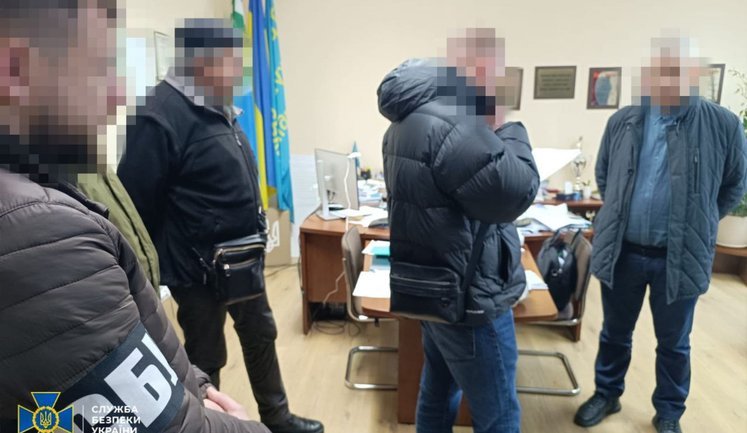
The Prosecutor General’s Office has brought charges against Andrii Omelchuk for orchestrating forced Russification and the militarization of Ukrainian children, showcasing efforts to address violations of human rights and maintain cultural identity amidst Russian pressures in occupied territories.
How many civilians remain in Sloviansk despite evacuation efforts?
In Sloviansk, around 47,000 residents remain, with ongoing evacuation efforts aiming to relocate about 1,000 individuals each week. This reflects continuous efforts to safeguard civilians from the perils of conflict and ensure their safety and well-being in hard-hit areas.
What is happening in the occupied city of Oleshky?
Oleshky is enduring a severe humanitarian crisis, described as a place of "hell" due to unburied bodies and destroyed infrastructure. Calls for international intervention highlight urgent needs for relief and documentation of violations occurring in this area under blockade.
How has the conflict affected transport in Crimea following recent attacks?
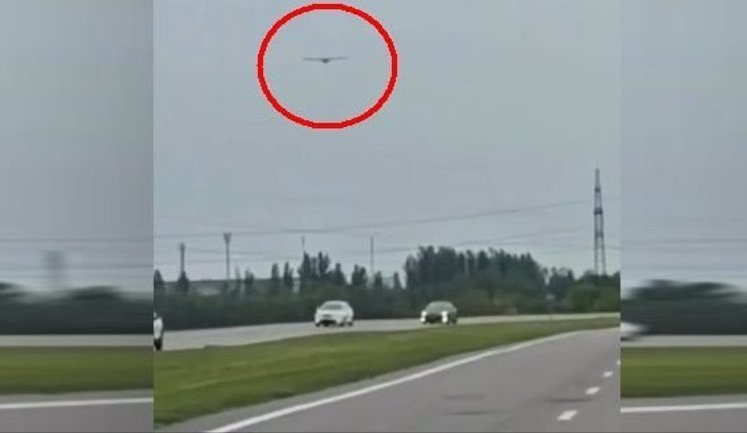
In the wake of a drone attack, the Sevastopol-Inkerman train service was suspended. This incident emphasizes ongoing security issues in annexed regions and the impact on civilian infrastructure, further complicating the situation for residents facing occupation pressures.
Why is the situation in Donetsk causing humanitarian concerns?
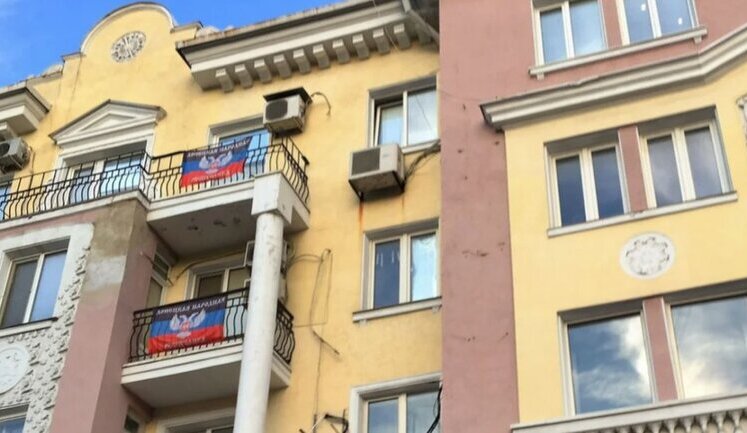
Residents of occupied Donetsk face a deteriorating humanitarian situation with severe utility and housing service issues forcing locals to take desperate measures such as drilling for water, exemplifying the dire living conditions caused by occupation policies.
What is the Ukrainian government’s stance on occupied territories?
Ukraine remains steadfast in refusing to officially acknowledge any loss of its territories to Russia, as stated by political leaders. This stance is crucial in discouraging aggressor rewards and advocating for the integrity and sovereignty of the nation.
How is Russia managing land occupation strategically in Ukraine?
Russia is investing heavily in infrastructure within occupied territories to bolster their integration into Russian governance. These measures aim to solidify control and challenge Ukraine’s sovereignty, complicating international intervention and support for Ukraine's return.
Are there any ongoing efforts to help displaced children from occupied areas?
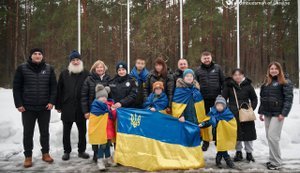
The Ukrainian government, through initiatives like "Bring Kids Back UA," works alongside organizations like Save Ukraine to rescue and return children from occupied areas, showcasing persistent efforts to protect the most vulnerable and restore familial unity.