ENG




12840 visitors online
The situation in Ukraine remains intense as Russian forces continue to launch drones and missiles in increasing numbers. Recently, air defense forces reported shooting down 336 out of 410 drones. Canada's allocation of $253 million for interceptor missiles underscores the international support Ukraine is receiving. Meanwhile, Poland is set to provide an additional €50 million in military aid focusing on air defense. Ukraine faces a depleting stockpile of missiles for its Patriot and F-16 systems. The effective operation of Ukrainian anti-aircraft drones, such as those from the SIGNUM battalion, showcase resilience. The FREYJA anti-ballistic program remains a priority as Ukraine seeks further collaboration with international partners.
How effective is Ukraine's air defense against UAVs?
Ukraine's air defense has been highly effective in countering UAV threats, with reports indicating the neutralization of a significant percentage of incoming drones. Recent engagements saw the destruction of 336 out of 410 drones, showcasing the capability and readiness of Ukraine's defense systems.
What support is Ukraine receiving for its air defense capabilities?
Ukraine is receiving substantial international support to enhance its air defense capabilities. Canada has pledged around $253 million for interceptor missiles, and Poland has prepared a €50 million aid package. Such international aid is vital for bolstering Ukraine's defense infrastructure.
What challenges does Ukraine face with its current missile stockpiles?
Ukraine is facing challenges with depleting stockpiles of key missile systems for its Patriot and F-16 platforms. This shortage, coupled with Russia's increased production of missiles and drones, presents a significant challenge for maintaining robust air defense operations.
How is Ukraine addressing its missile shortages?
Ukraine is actively seeking international partnerships and aid to address missile shortages. Discussions with defense companies and country partners focus on increasing production capabilities and securing necessary missile supplies to sustain defense operations.
What impact have international aid packages had on Ukraine's air defense?
International aid packages have substantially impacted Ukraine's air defense by providing crucial financial and material support. These packages have enabled the procurement of advanced interceptor missiles and bolstered Ukraine's ability to defend against aerial threats efficiently.
News Anti-aircraft warfare
 Russia attacked Ukraine with 295 drones; air defenses destroyed and suppressed 267 UAVs. INFOGRAPHICS On the night of September 25, Russian forces launched a massive attack on Ukraine, deploying 295 attack drones of various types. Air defense forces shot down and neutralized 267 enemy UAVs. 409 0 Previously in trend: Result of the work of the air force
 Ukraine reaches agreement on new package of missiles for Patriot air defense systems, Zelenskyy says Ukrainian President Volodymyr Zelenskyy announced that an agreement had been reached on a new package of missiles for Patriot air defense systems. 2 906 26 Previously in trend: Patriot missiles for Ukraine Missiles for Patriot
 Today, air defense systems shot down 60% of Russian missiles. There were times this year when they shot down 0%, - Zelenskyy President Volodymyr Zelenskyy reported that during three waves of ballistic missile attacks on Kyiv, Ukrainian air defense forces destroyed 60% of the missiles. 2 517 21 Previously in trend: Patriot missiles for Ukraine
 Air defence forces neutralised 4 "Zircons" and 3 "Iskanders" during massive Russian attack, - Air Force. INFOGRAPHICS On the night of 24 September, Russian occupying forces launched a large-scale attack on Ukraine. 3 370 9 Previously in trend: Result of the work of the air force
 Russia launched 161 UAVs at Ukraine; air defense neutralized 119 targets. INFOGRAPHICS On the night of September 23, Russian forces launched 161 drones of various types at Ukraine. 634 4 Previously in trend: Result of the work of the air force
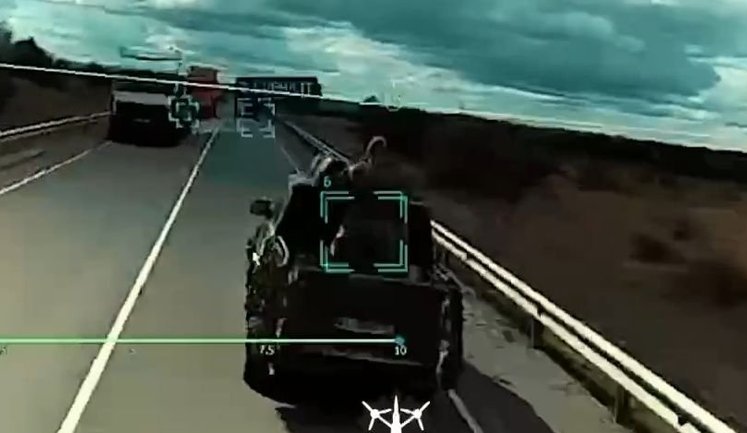
 Ukrainian attack drone eliminates Russian army mobile fire group gunner while pickup truck fitted with machine gun is moving. VIDEO A Ukrainian attack drone struck the gunner of a Russian mobile fire group while the enemy vehicle was moving. 5 340 6 Previously in trend: Elimination of Russian occupying forces
 Over 350,000 Russian drones have been destroyed since start of year, - Ministry of Defence. VIDEO Since the start of the year, the defence forces have destroyed over 350,000 Russian drones. All these strikes have been confirmed in DELTA. 563 5 Previously in trend: Result of the work of the air force
 France will strengthen Ukraine’s air defense with radars and interceptor missiles, - Macron French President Emmanuel Macron announced plans to strengthen Ukraine's air defense system following a meeting with Volodymyr Zelenskyy. 718 0 Previously in trend: French assistance to Ukraine Conversation between Zelenskyy and Macron
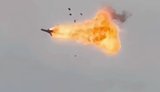 Ukrainian STING FPV interceptor shot down modified Russian "Shahed-136" over Odesa region. VIDEO In the skies above the Odesa region, the Ukrainian military used a STING FPV interceptor to destroy a modified Russian ‘Shahed-136’ attack drone. 3 626 2 Previously in trend: Destruction of Russian drones
 We are working on production of SAMP/T systems and their missiles in Ukraine, - Zelenskyy after meeting with Macron President Volodymyr Zelenskyy shared details of his meeting with French President Emmanuel Macron. 1 236 13 Previously in trend: Conversation between Zelenskyy and Macron
 Russia launched more than 220 UAVs and missiles at Ukraine: Air Defense forces destroyed and intercepted 186 targets, - Air Force On the night of September 22, Russian troops launched a massive attack on Ukraine, using various types of missiles and more than 200 attack drones. The main targets of the attack were the Dnipropetrovsk, Kirovohrad, and Poltava regions. 1 300 1 Previously in trend: Result of the work of the air force
Russia attacked Ukraine with 172 drones: Air defense forces shot down 148 targets. INFOGRAPHICS Starting in the evening of September 20, Russian occupiers attacked Ukrainian territory with 172 Shahed-type strike UAVs (64 of which were jet-powered), Gerber UAVs, "Parodiya"-type decoy drones, as well as ‘Banderol’/"Dan-T" drones. 484 0 Previously in trend: Result of the work of the air force
 Russia attacked Ukraine with 138 drones: air defenses destroyed 101 UAVs, and hits were recorded at 17 locations, - Air Force On the night of September 19–20, Russian forces attacked Ukraine with 138 strike drones, including Shahed rocket-powered drones, "Gerbera" drones, and "Parodiya" decoy drones 819 1 Previously in trend: Result of the work of the air force
 Operation "PPOpad-2026": 300 Russian air defence systems destroyed, – Madyar. VIDEO As part of Operation ‘PPOpad-2026’, 300 Russian air defence systems have been hit or destroyed. 3 181 6 Previously in trend: Results of Unmanned Systems Forces units’ operations
Russia attacked Ukraine with Zircon missiles and 174 drones; air defenses shot down and suppressed 141 targets – Air Force. INFOGRAPHICS On the night of September 19, Russian occupiers attacked Ukraine with two "Zircon" anti-ship missiles and 174 Shahed-type strike UAVs (half of which were jet-powered), Gerber drones, "Banderole"/"Dan-T" loitering munitions, and "Parodiya"-type decoy drones. 1 838 2 Previously in trend: Result of the work of the air force
 Tusk on visit to Ukraine: We will discuss Poland’s participation in anti-ballistic missile coalition Prime Minister Donald Tusk of Poland stated that during his visit to Ukraine, he will discuss Poland’s participation in the anti-ballistic missile coalition with President Volodymyr Zelenskyy. 735 4 Previously in trend: Ukrainian Air defence Carpathian Eight
 Air defense forces shot down 69 of the 93 UAVs launched by Russians. INFOGRAPHICS On the night of September 18, Russian occupiers launched 93 UAVs of various types at Ukraine, including 46 jet-powered ones. 703 0 Previously in trend: Result of the work of the air force
Russia attacked Ukraine with missiles and 157 drones; 131 targets were shot down – Air Force. INFOGRAPHICS On the night of September 16–17, Russian invaders attacked Ukraine with "Kalibr," "Iskander," and "Onyx" missiles, as well as various types of UAVs. 1 552 4 Previously in trend: Result of the work of the air force
Private sector bolsters air defense: 81 companies have already joined Ministry of Defence’s project Eighty-one companies have already joined the pilot project to involve the private sector in Ukraine’s air defense system. In total, 92 companies from various industries and regions have submitted applications to participate. 866 2 Previously in trend: Private air defense
Russia launched 80 drones at Ukraine: Air defense forces shot down 63 targets On the night of September 16, Russian occupiers launched 80 drones of various types at Ukraine. 445 0 Previously in trend: Result of the work of the air force
 187 out of 200 Russian UAVs have been neutralised by air defence forces. INFOGRAPHICS Russian occupiers have launched 200 drones of various types, including jet-powered ones, at Ukraine. 969 2 Previously in trend: Result of the work of the air force
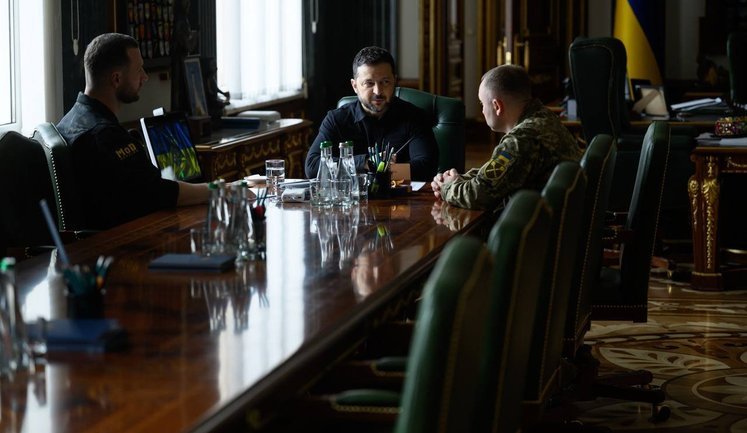
 Tests of new generation of interceptors against jet-powered Shaheds underway – Zelenskyy. PHOTOS President Volodymyr Zelenskyy received reports on countering Russian Shaheds and cooperation with manufacturers on a new generation of drone interceptors to defend against Russian jet-powered drones. 3 890 24 Previously in trend: Situation at front Countering Russian drones Drone industry
Russia attacked Ukraine with 108 drones: Air Defense forces destroyed and neutralized 85 UAVs, - Air Force On the night of September 14, Russian troops attacked Ukraine with 108 strike drones of various types. Air defense forces destroyed and intercepted 85 enemy drones. 706 0 Previously in trend: Result of the work of the air force
Since morning, Russia has attacked Ukraine with 410 drones: air defence forces have shot down 336 enemy UAVs Throughout the day on Saturday, 12 September, Russian invaders attacked Ukraine with 410 strike UAVs, 37 of which were jet-powered. Air defence forces destroyed and neutralised 336 enemy targets. 1 800 4 Previously in trend: Attack of drones Result of the work of the air force
Russia attacked Ukraine with missiles and drones: 110 targets shot down. INFOGRAPHICS On the night of September 11, Russia launched missiles and 129 attack drones at Ukraine. Air defense forces shot down or neutralized 110 enemy targets. 1 494 2 Previously in trend: Result of the work of the air force
 Canada will provide about $250 million for interceptor missiles for Ukraine, - Carney Canada will allocate 350 million Canadian dollars (about $253 million) to purchase interceptor missiles for Ukraine. 958 12 Previously in trend: Canada’s aid to Ukraine
 Air defense forces neutralized 138 out of 161 UAVs. Hits have been recorded at 19 locations, - Air Force. INFOGRAPHICS Russian occupiers launched attacks using "Banderols" and various types of attack drones. 1 197 2 Previously in trend: Result of the work of the air force
 Poland prepares new €50 million aid package for Ukraine, including air defence – Kosiniak-Kamysz Poland is preparing a new €50 million military aid package for Ukraine. It will include air defence assets. 1 293 4 Previously in trend: assistance to Ukraine from Poland Poland and Ukraine relationship
 Zelenskyy meets with Carney: Canada has made significant decision on aid package for Ukraine’s air defence. PHOTO President Volodymyr Zelenskyy has begun bilateral talks with Canadian Prime Minister Mark Carney. 1 364 6 Previously in trend: Ukrainian Air defence
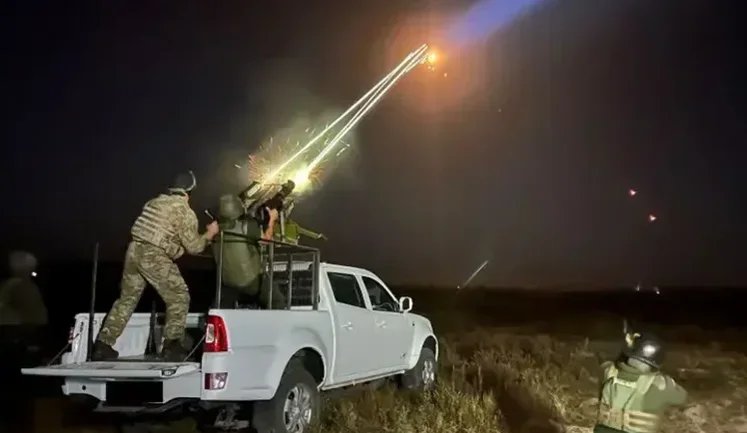
 Minus 14 enemy UAVs: combat operations by anti-aircraft drone operators from SIGNUM battalion. VIDEO Footage showing the effective work of Ukrainian anti-aircraft drones has been published online. 1 350 0 Previously in trend: Destruction of Russian drones
Ukraine has nearly run out of missiles for its Patriot and F-16 systems as Russia ramps up production, - The Economist Ukraine has nearly exhausted its stockpiles of American AIM-120 and AIM-9 missiles for F-16 fighter jets, as well as PAC-3 interceptors for Patriot air defense systems. At the same time, Russia continues to ramp up production of ballistic missiles and new strike drones. 5 911 43 Previously in trend: shortage of missiles for air defence systems
 128 out of 149 UAVs neutralized by air defense. Hits recorded at 13 locations, - Air Force. INFOGRAPHICS On the night of September 10, Russian occupiers launched 149 attack drones at Ukraine. 908 3 Previously in trend: Result of the work of the air force
 Zelenskyy and Støre meet with heads of European defence companies: they agree on steps to launch FREYJA anti-ballistic programme On Wednesday, September 9, President Volodymyr Zelenskyy and Norwegian Prime Minister Jonas Gahr Støre met with the heads of defence companies from partner countries. 1 121 8 Previously in trend: Anti-ballistic air defense system
 Russian drones are attacking Kyiv region again: air defense systems are active, and there is threat to Boryspil Russian forces are currently launching drone attacks on the Kyiv region again. Air defense systems are active. 1 306 6
 Germany to immediately supply Ukraine with PAC-2 interceptor missiles for Patriot – Pistorius German Defence Minister Boris Pistorius said Berlin would urgently supply Ukraine with PAC-2 interceptor missiles for Patriot air defence systems from the Bundeswehr’s national stockpiles. 3 515 14 Previously in trend: Assistance to Ukraine from Germany Patriot missiles for Ukraine Missiles for Patriot
 Ukraine unveils launcher for "Koral" air defence system that can intercept ballistic missiles Ukraine displayed a launcher for "Koral" surface-to-air missiles for the first time at the MSPO defence exhibition in Poland. 10 455 50 Previously in trend: Ukrainian Air defence
 Ukraine prepares for meetings with partners on joint FREYJA anti-ballistic programme – Zelenskyy President Volodymyr Zelenskyy heard a report from National Security and Defence Council Secretary Ihor Klymenko and announced that issues were being prepared for consideration by the Staff of the Supreme Commander-in-Chief. 1 428 16 Previously in trend: Anti-ballistic air defense system
 On eve of "Ramstein", Ukraine provided NATO with list of its urgent air defense needs On the eve of the "Ramstein" meeting, Ukraine provided NATO with a list of urgent needs for air and missile defense systems. 1 091 4 Previously in trend: Ramstein meeting
Russia launched 92 UAVs and "Banderols": Air defense forces shot down 71 targets. INFOGRAPHICS On the night of September 7, Russian forces launched 92 UAVs at Ukraine, as well as "Banderol" loitering munitions. 1 000 2 Previously in trend: Result of the work of the air force
 Ryazan oil refinery, airfield, and three air defense facilities in Russia hit, - General Staff On the night of September 6, 2026, units of the Ukrainian Defense Forces struck a number of enemy targets. 1 817 2 Previously in trend: UAV attack on oil refinery of Russia Striking Russia
 Russia attacked Ukraine with ballistic missiles and 167 drones: Air Defense shot down and suppressed 128 UAVs, - Air Force. INFOGRAPHICS On the night of September 4–5, Russian forces attacked Ukraine with ballistic missiles and 167 attack drones. Air defense forces shot down or neutralized 128 enemy drones. 1 952 8 Previously in trend: Result of the work of the air force
 Defense Forces destroyed over 4,600 air targets in August (updated). VIDEO Throughout August 2026, the Ukrainian Defense Forces destroyed more than 4,600 aerial targets and neutralized more than 50,000 tactical-level UAVs. 625 1 Previously in trend: Result of the work of the air force
 101 UAVs and 2 "Banderols" neutralized air defense forces: Russian Federation shot down 122 targets in total. INFOGRAPHICS Russian occupiers launched an air-to-ground missile, more than a hundred drones, and "Banderole" missiles at Ukraine. 724 2 Previously in trend: Result of the work of the air force
 Soldiers from 45th Separate Artillery Brigade and 3rd Army Corps have destroyed launcher belonging to Russian "Buk" air defence system, valued at 5 million dollars. VIDEO A video showing the destruction of a high-value enemy air defence system has been published online. 4 471 5 Previously in trend: Destruction of Russian equipment
 Ukraine accelerates production of high-speed interceptor drones against jet-powered "Shaheds" – Zelenskyy President Volodymyr Zelenskyy held a meeting of the Staff of the Supreme Commander-in-Chief, with the main issue being the acceleration of all processes for producing high-speed interceptor drones to counter jet-powered "Shaheds." 2 753 44 Previously in trend: Supreme Commander-in-Chief’s Staff meeting Interceptor drones Drone industry
Russia launched 163 UAVs, including jets, over Ukraine: 135 targets neutralized. INFOGRAPHICS On the night of September 3, Russian occupiers attacked Ukraine with 163 drones and "Banderols." 666 1 Previously in trend: Result of the work of the air force
 Russia launched two ballistic missiles, two guided air missiles and 174 UAVs: air defense neutralized 141 targets. INFOGRAPHICS Russian forces attacked Ukraine overnight with ballistic and air-launched missiles, as well as 174 attack drones. Air defense forces destroyed and neutralized 141 enemy targets. 1 278 3 Previously in trend: Result of the work of the air force
Russian night-time attack: all cruise missiles launched during night were shot down by air defence forces, - Air Force Russia attacked Ukraine overnight with cruise and ballistic missiles and drones. All the cruise missiles were shot down, including the ‘Kalibrs’. 1 738 5 Previously in trend: Result of the work of the air force
Page 1 of 50
more news