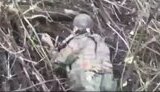
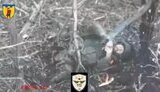
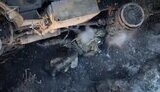
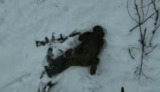
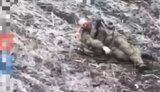
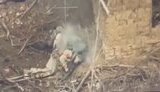
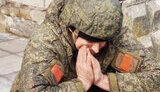
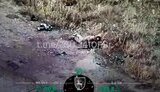
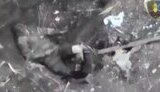
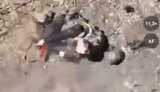
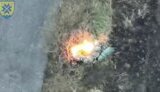
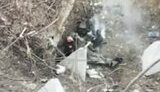
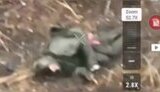
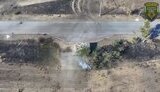
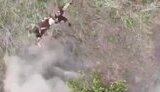
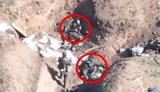
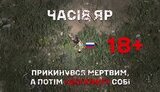
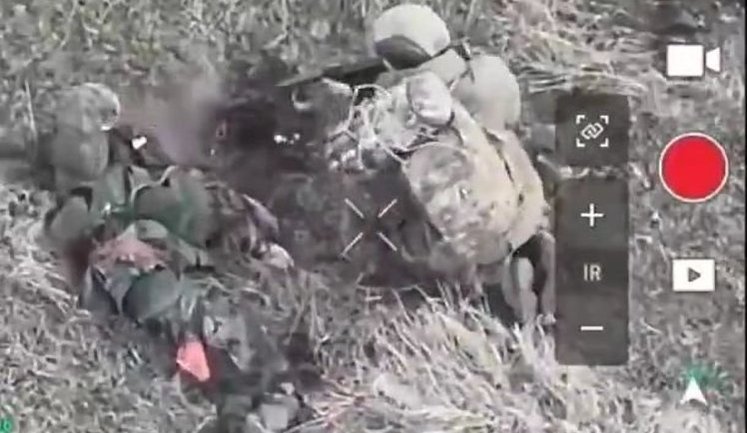
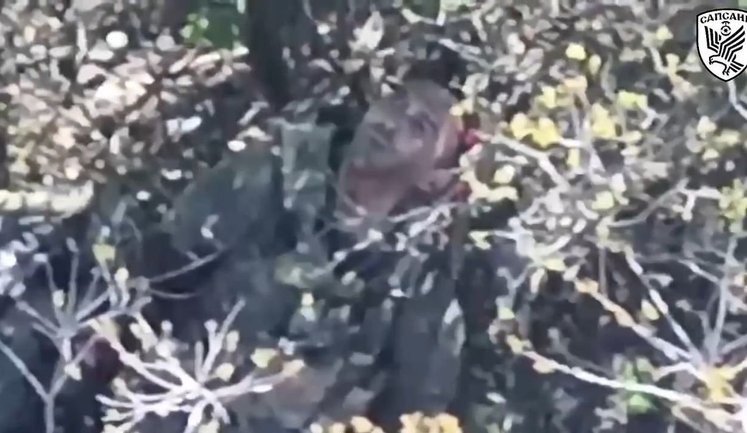
The ongoing Ukrainian conflict has brought to light a critical issue faced by the Russian military: an increasing number of soldiers taking their own lives on the battlefield. This tragic trend points to extreme low morale, psychological collapse, and a profound sense of despair among the occupiers. Reports of suicides using assault rifles, grenades, and other means have surfaced, evidencing the mental toll of warfare. The psychological strain is exacerbated by an apparent lack of support and potential captivity, pushing many to choose death over surrender. These cases underscore the severe mental health crisis afflicting Russian troops, highlighting the urgent need for intervention and support for those on the front lines.
What are common methods of suicide among Russian troops?
Common methods include using firearms, grenades, and explosives. Soldiers have been recorded taking their lives with assault rifles, detonating grenades, or using other means to avoid capture or further suffering under harsh battlefield conditions.
Why are Russian soldiers committing suicide on the battlefield?
Many factors contribute to this tragic phenomenon, including extreme psychological pressure, fear of captivity, perceived abandonment by their command, and a lack of adequate mental health support. The intense and traumatic war environment further exacerbates these issues.
How does the ongoing war impact the mental health of Russian soldiers?
The relentless nature of battlefield engagements, coupled with overwhelming psychological stress and the looming threat of death or capture, severely impacts the mental health of Russian soldiers. Many experience profound despair and hopelessness, leading some to perceive suicide as their only escape.
What evidence exists for the low morale among Russian forces?
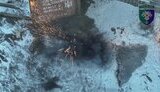
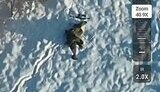
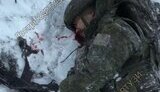
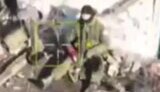
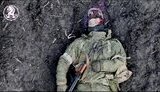
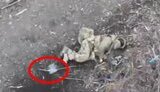
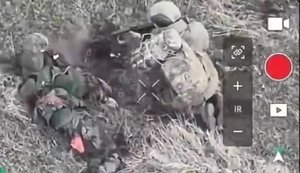
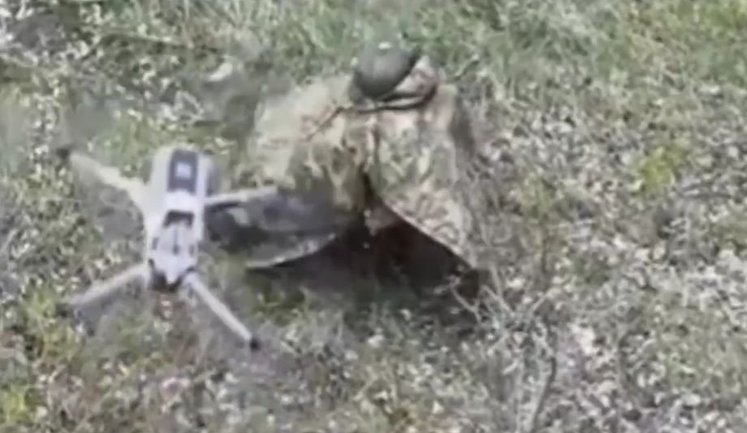
Numerous reports and video evidence captured by Ukrainian reconnaissance drones show Russian soldiers' lack of motivation and will to fight, leading to extreme acts of self-harm. These incidents highlight the underlying issues of morale and mental health struggles amid prolonged conflict.
Can intervention reduce the rate of suicides among these troops?
Yes, providing comprehensive mental health support, improving communication and support from command structures, and reducing isolation on the battlefield can help address the root causes of despair. Such measures could significantly reduce the suicide rate and improve overall morale within the ranks.
What is the role of drone footage in documenting these incidents?
Drone footage plays a crucial role in documenting suicides on the battlefield, providing visual evidence of the tragic events. These recordings expose the grave reality of war’s psychological impact and serve as critical data in understanding and addressing the crisis.
What steps are being taken to address this suicide crisis?
Current efforts to address the suicide crisis are inadequate, as further support systems and mental health programs are urgently needed. Awareness of this issue among military and political leaders could prompt necessary interventions to support distressed soldiers.
How has the international community responded to reports of suicides among Russian soldiers?
While the international community acknowledges the tragic nature of these suicides, responses have been limited. Discussions often focus on broader humanitarian efforts and the need for mental health support, highlighting the complexities of international intervention in these matters.