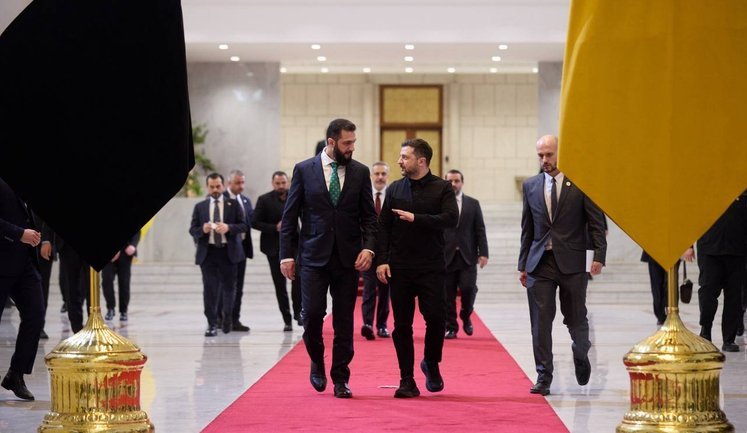
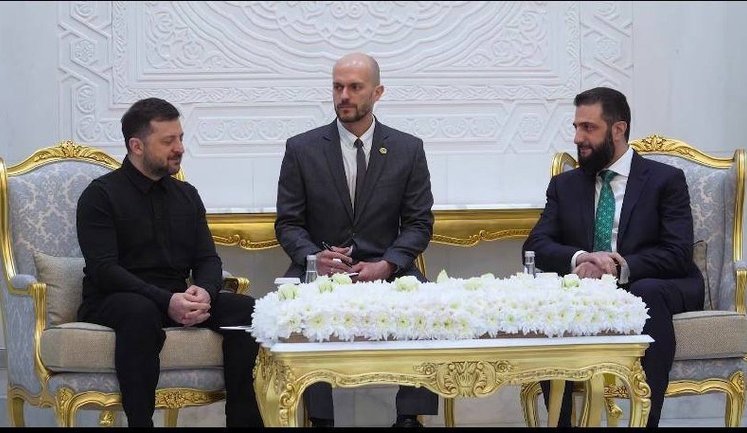
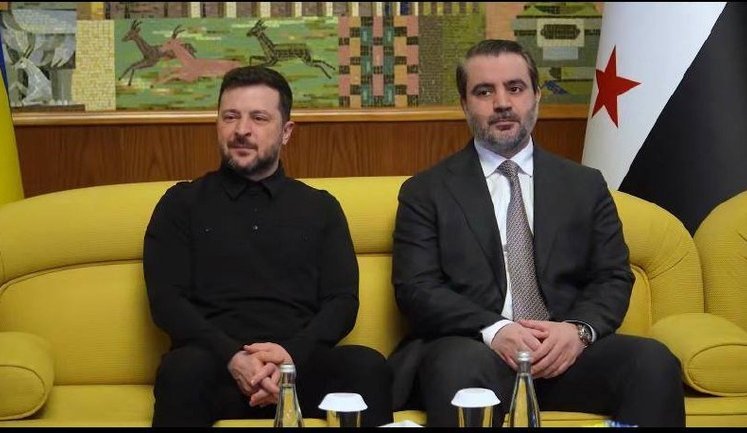
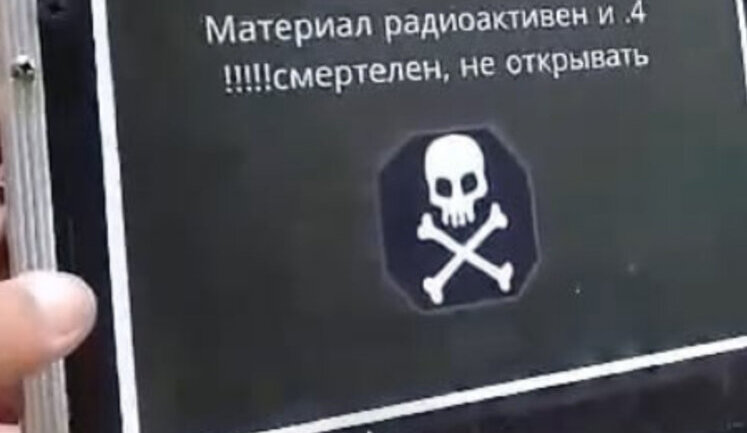
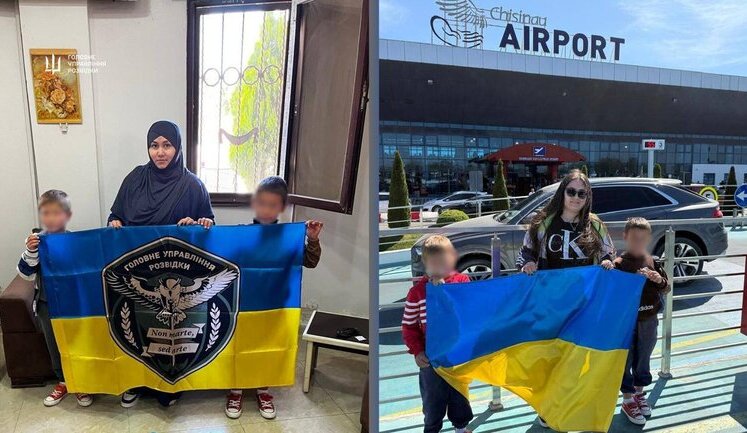
In a historic moment, Syrian President Ahmed al-Sharaa is set to visit the White House on November 10, marking the first visit by a Syrian leader in history. This visit symbolizes shifting relations, especially as US President Donald Trump recently signed an executive order lifting sanctions against Syria. Ukraine and Syria also signed a communiqué on restoring diplomatic relations, a significant move in international diplomacy. Meanwhile, Russia accuses Ukraine of radioactive material spread in Syria. These events mark a new chapter in Syria's relations with the US, Ukraine, and Russia. The White House's welcoming of Syria could reshape geopolitical dynamics, underscoring the changing landscape in Middle Eastern affairs.
What is the significance of the Syrian leader's visit to the White House?
The visit of Syrian President Ahmed al-Sharaa to the White House is historically significant as it marks the first time a Syrian leader has been invited to the United States for an official meeting. This event could represent a thaw in US-Syria relations and may lead to further diplomatic engagements. It also signifies a potential shift in Syria's international relations, given the recent lifting of US sanctions and the re-establishment of diplomatic ties with Ukraine.
Why did the US lift sanctions against Syria?
US President Donald Trump lifted sanctions on Syria as part of a broader strategy to re-engage with the Middle East and explore new diplomatic channels. The lifting of sanctions is likely aimed at encouraging economic reforms and fostering a more cooperative relationship with the Syrian government under President Ahmed al-Sharaa. This move might also be part of a wider geopolitical strategy to counteract Russian influence in Syria and leverage potential cooperation on regional issues.
What impact will the restoration of Ukraine-Syria diplomatic relations have?
The restoration of diplomatic relations between Ukraine and Syria signifies a new era of cooperation and mutual recognition between the two nations. This development could enhance trade, cultural exchanges, and political collaboration, potentially influencing Syria's relationships with Western and Eastern powers. It also reflects Syria's ongoing efforts to re-establish itself on the international stage following years of conflict, signaling a desire to diversify its diplomatic and economic partnerships.
How has Russia responded to recent changes in Syria's international relations?
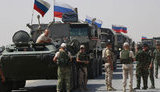
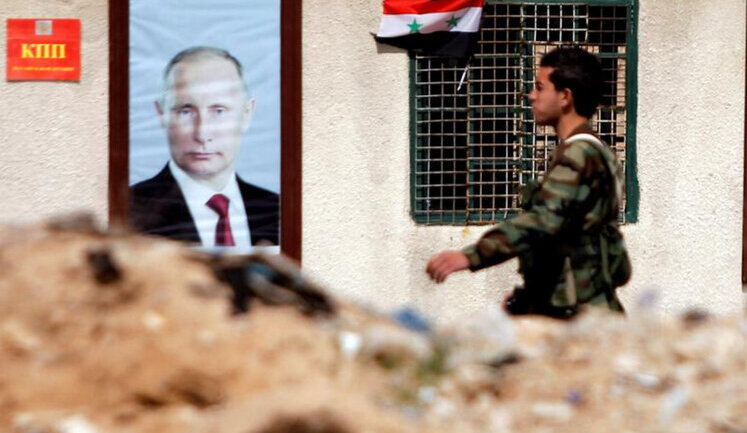
Russia has portrayed Ukraine as involved in spreading radioactive materials in Syria, a clear information attack aimed at undermining Ukraine's credibility. This reflects Moscow's concerns over shifting alliances and its desire to maintain influence in Syria. Russia's actions, combined with its support for Assad's regime, indicate a struggle to control narrative and geopolitics in the Middle East. Russia's maneuvering underscores its complex relationship with evolving Syrian dynamics under new leadership.
What are the wider implications of the US lifting sanctions on Syria?
The lifting of US sanctions on Syria holds significant implications for regional stability and economic development. It may encourage other Western nations to re-evaluate their own positions and potentially lead to similar reductions or eliminations of economic restrictions. Economically, it opens up opportunities for foreign investment and rebuilding efforts in Syria, potentially accelerating its recovery from years of conflict. Politically, it could signal a shift in US foreign policy towards a more engagement-focused strategy in the Middle East.