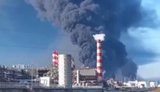
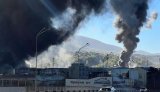
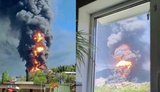
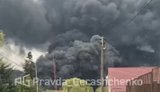
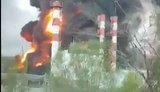
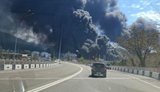
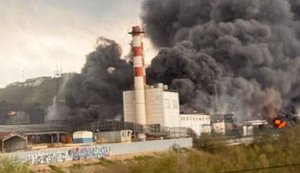
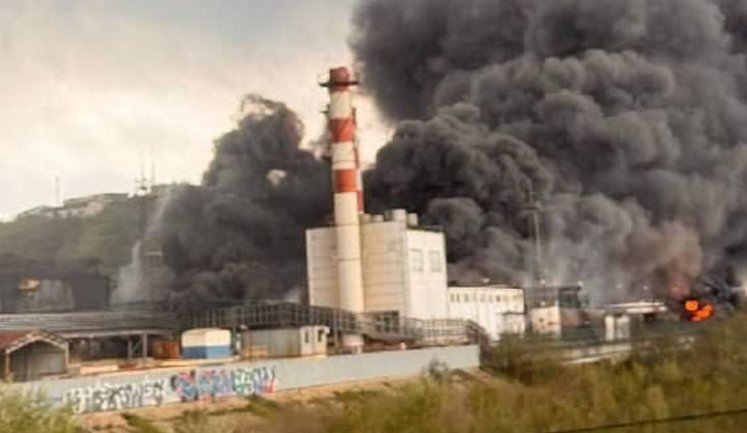
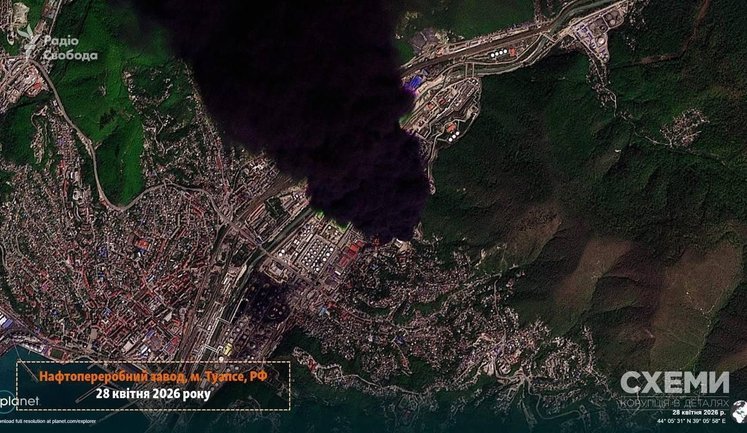
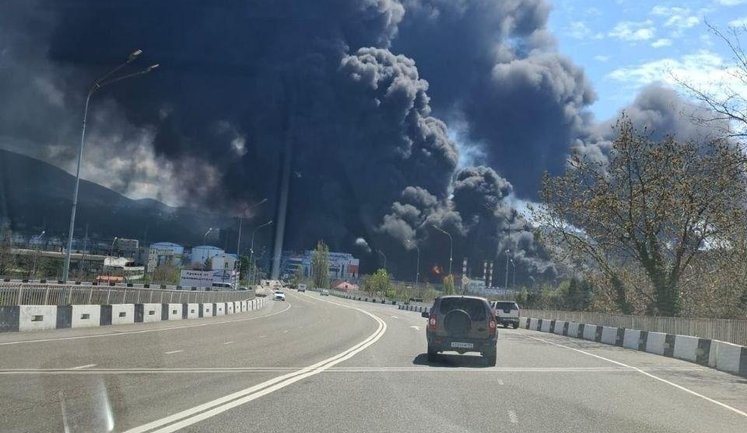
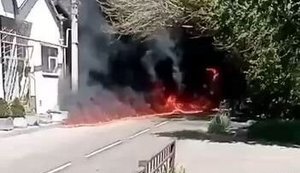
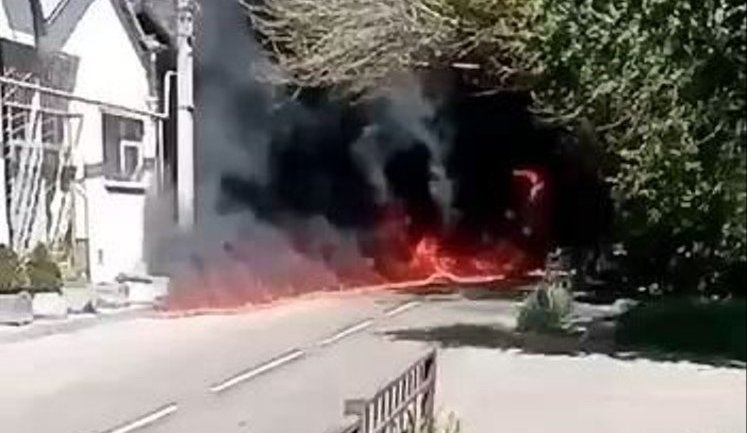
The Russian city of Tuapse is experiencing a series of escalating conflicts fueled by persistent drone attacks. The incidents have led to a mass exodus of tankers from the Tuapse port, heading towards the relative safety of Novorossiysk. Recent reports highlight two successive strikes by the Armed Forces of Ukraine on one of Russia's significant oil refineries in Tuapse, resulting in large-scale fires. These attacks on key military and industrial targets, including air defense systems and troop concentrations, signify an increasing level of military engagement in the region. The ongoing turmoil has severely affected the morale of the local population, as revealed by recent public expressions of distress and concern over the deteriorating living conditions, with fears of further infrastructural and environmental damage looming in the air.
What has caused the tankers to leave the port of Tuapse?
The tankers are departing Tuapse due to the heightened threat of drone attacks that have already struck key facilities, including oil refineries, prompting a strategic move to Novorossiysk for safety.
How are the drone attacks affecting the oil refinery in Tuapse?
The drone attacks have severely impacted the oil refinery in Tuapse, causing significant structural damage and triggering large-scale fires, which have disrupted operations and threatened surrounding areas.
Why is the local population in Tuapse distressed?
The local population in Tuapse is experiencing distress due to the constant threat of drone attacks, ensuing fires, and environmental pollution, which have greatly impacted their quality of life and safety concerns.
What targets have Ukrainian forces hit in Tuapse?
Ukrainian forces have struck multiple targets in Tuapse, including oil refineries, ports, and military facilities such as air defense systems and command posts, deepening the impact on Russian military operations.
How frequent are the drone attacks on Tuapse in recent times?
Drone attacks on Tuapse have become increasingly frequent, with multiple incidents reported within short intervals. This escalation underlines a strategic focus on weakening Russia's military and industrial capabilities in the region.