The Luhansk Operational Tactical Group (OTG) is witnessing a surge in military activities around Toretsk and Kramatorsk, with Russian forces employing armored vehicles and increasing airstrikes. Recent reports indicate that over 23 pieces of equipment and numerous motorcycles have been utilized in the Toretsk direction, where 20 assaults occurred in a single day. Additionally, a significant build-up of Russian troops in Kramatorsk suggests potential upcoming assaults, highlighting the strategic importance of the region. Despite a reduction in assault frequency, the intensity of shelling and tactical aviation has risen, especially near Toretsk and Siversk. Furthermore, the use of fiber-optic drones has been identified as a major threat, emphasizing the evolving tactics of the Russian forces.
What are the latest developments reported by OTG Luhansk?
OTG Luhansk reports a notable increase in armored vehicle use in the Toretsk direction and troop build-up in areas like Kramatorsk, indicating potential for future assaults. Despite fewer direct attacks, artillery shelling and aviation intensity have risen, reflecting changing tactics by Russian forces.
How is the military conflict evolving in Toretsk and Kramatorsk?
Toretsk is seeing increased use of armored vehicles and significant aerial activity, with implications of higher assault capability. In Kramatorsk, troop accumulation suggests future offensives, with intensified use of tactics such as drones and indirect fire developing as common strategies.
What is the significance of drone usage by Russian forces?
The deployment of drones, especially fiber-optic models, presents significant challenges for Ukrainian defenses in Toretsk and surrounding areas. These drones facilitate reconnaissance and targeted attacks, complicating defense efforts and posing strategic threats across the frontlines.
Which tactics is the Russian army employing in the Donetsk region?
In the Donetsk region, Russian forces focus on artillery and aviation to supplement direct assault tactics. While assault numbers have decreased, the intensity of auxiliary attacks, particularly airstrikes and tactical aviation, has grown, underscoring a shift to pressure-based engagement strategy.
What impact does the conflict have on local infrastructure?
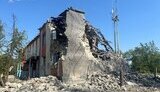
The conflict has severely impacted infrastructure, with Russian forces systematically shelling urban areas like Chasiv Yar, devastating buildings and attempting to dismantle Ukrainian defensive fortifications. This methodical destruction exemplifies the broader toll on civilian and military structures.