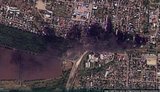
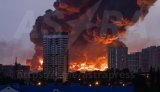
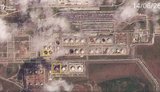
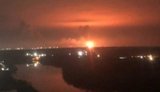
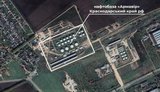
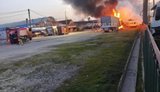
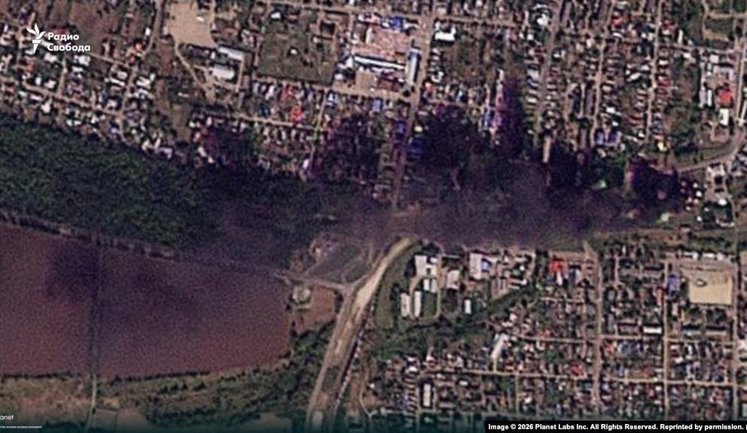
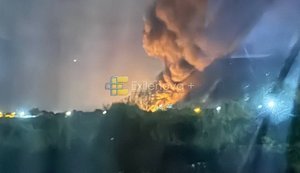
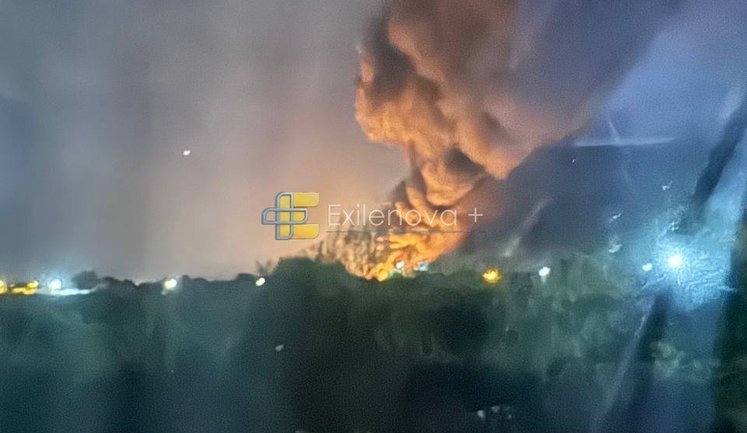
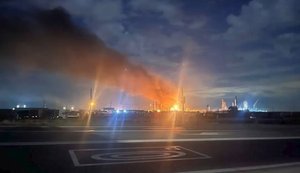
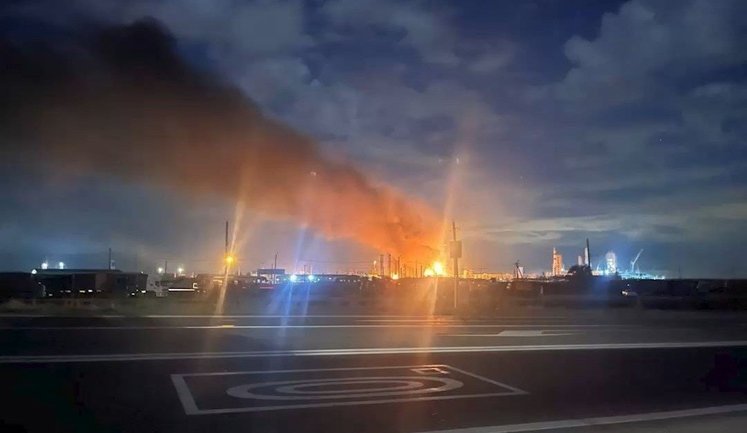
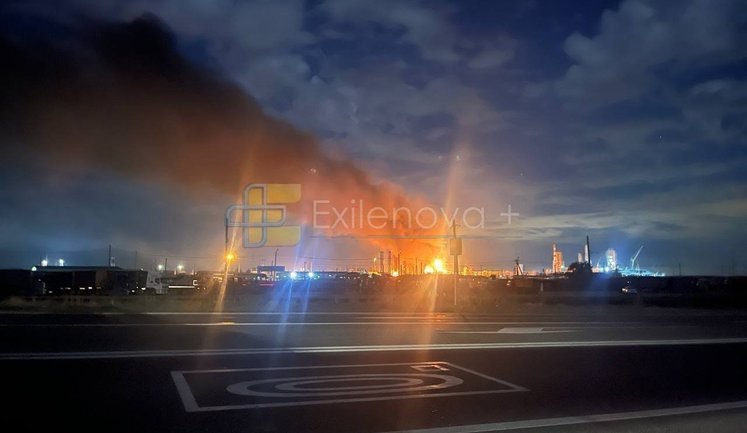
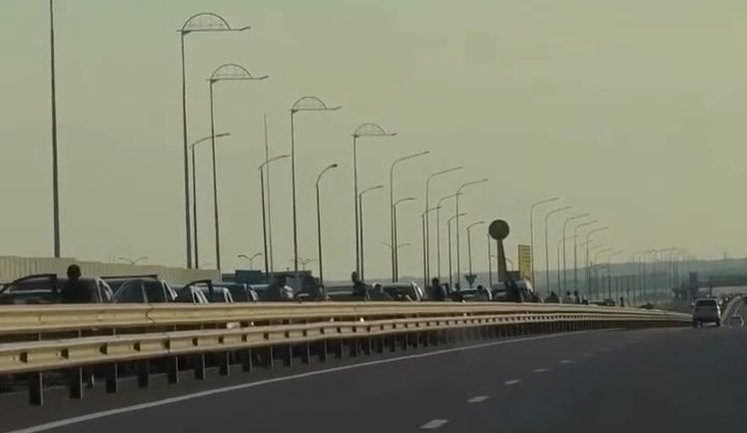
In recent months, Krasnodar Krai in the Russian Federation has seen increased drone activity resulting in numerous strategic strikes. Ukrainian Defence Forces have targeted key infrastructure such as oil refineries, seaports, and military bases, particularly in cities like Sochi, Yeysk, and Novorossiysk. These attacks have led to significant fires, operational disruptions, and heightened regional tensions. Notably, the assault on the Slavyansk-on-Kuban oil refinery has captured global attention, reflecting the evolving dynamics of the Ukraine-Russia conflict. Local residents continue to grapple with the fallout, facing fuel shortages and increased security measures.
What facilities have been targeted in Krasnodar Krai?
Key facilities targeted include oil refineries in Slavyansk-on-Kuban and Afipsky, Novorossiysk naval base, and Yeysk military airfield. These attacks have resulted in significant damage and operational disruptions, highlighting strategic vulnerabilities in the region.
How have drone strikes affected residents in Krasnodar Krai?
Residents in Krasnodar Krai have faced fuel shortages, disruptions at airports like Sochi, and increased security measures. The ongoing strikes contribute to a climate of insecurity and have amplified logistical challenges, particularly in accessing essential supplies.
Why is the Krasnodar Krai frequently targeted by drone strikes?
Krasnodar Krai hosts several strategic military and economic facilities, including oil refineries and naval bases, making it a critical target for Ukrainian Defence Forces aiming to weaken Russia's military and economic capabilities in the ongoing conflict.
What measures have been taken to protect Krasnodar Krai against drone attacks?
Russian authorities have implemented enhanced air defense systems and imposed temporary restrictions on facilities such as airports. Despite these measures, the effectiveness remains in question, as drone strikes continue to occur, causing substantial damage and disruptions.
What is the impact of these strikes on the Russian economy?
The strikes on oil refineries and logistical hubs in Krasnodar Krai have disrupted fuel supplies and oil shipments, directly impacting Russia’s oil exports. These disruptions weaken Russia’s economic standing and strain its resources for sustaining military operations.
How have Russian authorities responded to the strikes in Krasnodar Krai?
Russian authorities have increased security and operational measures in affected regions, arresting individuals linked to security threats. They have pledged to enhance air defense and infrastructure security, but continuous strikes suggest significant challenges to these efforts.
Are there any international implications following the attacks on Krasnodar Krai?
The escalation of strikes in Krasnodar Krai has intensified international concern about the broader impacts on global oil markets and regional security dynamics. These actions may prompt further geopolitical shifts and influence international diplomatic and economic policies regarding the conflict.