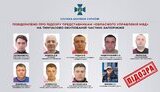
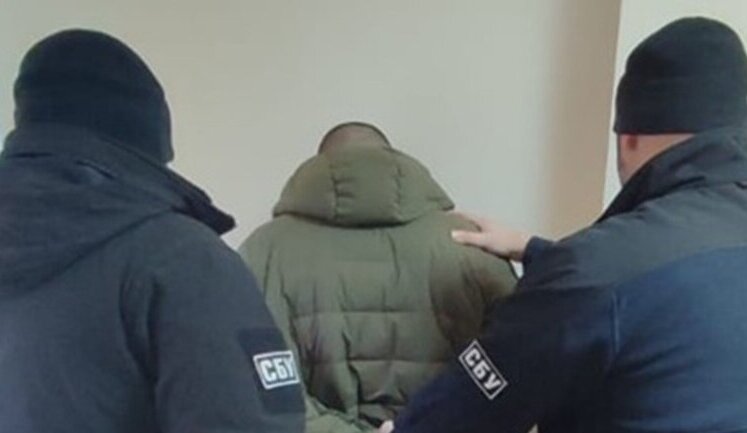
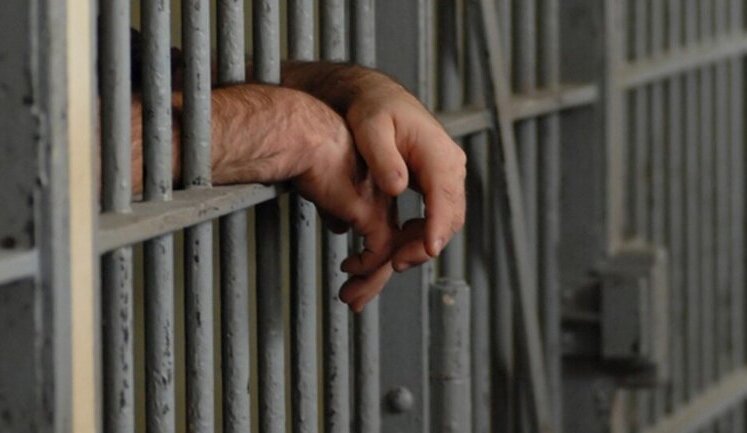
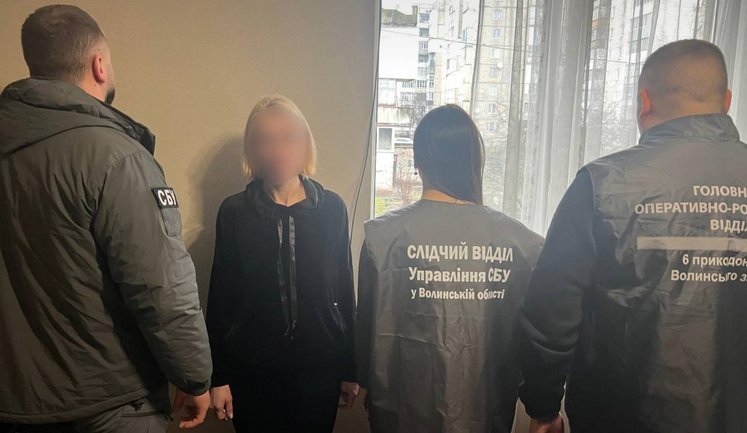
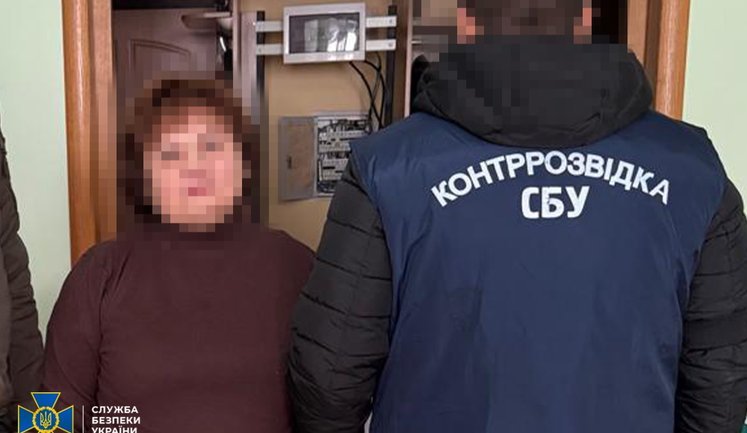
The issue of collaboration in Ukraine is prominent, with ongoing detentions and trials of individuals supporting occupying forces. In April 2026, a woman was detained in Volyn for collaborating with occupying authorities in Donetsk Oblast. The Security Service of Ukraine exposed her, highlighting their vigilance. Meanwhile, a former head of Kherson's occupation administration, Oleksandr Kobets, was sentenced to life imprisonment. These actions symbolize Ukraine's unyielding stand against traitors. Additionally, traitors like those facilitating Russian educational standards in occupied Crimea and Makiivka face prosecution. The Ukrainian government intensifies efforts to address collaboration, bringing justice to those undermining national integrity.
What actions are taken against collaborators in Ukraine?
Collaborators in Ukraine face legal actions, including detentions by agencies like the Security Service of Ukraine (SSU). They are subject to rigorous investigations, leading to trials and potential convictions. The judicial system ensures that acts of collaboration are met with appropriate sentences, serving as a deterrent to those aiding occupiers.
How does the SSU combat collaboration with Russian occupiers?
The SSU actively works to dismantle networks of collaboration by conducting strategic operations resulting in the detention and prosecution of individuals involved with the occupiers. It collaborates with other law enforcement bodies to secure convictions and enforce justice, crucial for maintaining national security.
What are the typical penalties for collaborators in Ukraine?
Penalties for collaborators in Ukraine range from prison sentences to life imprisonment, depending on the severity of their actions. These sentences are often accompanied by confiscation of property and serve as strong warnings against collaboration with occupying forces in Ukraine's occupied territories.
Are there specific regions in Ukraine where collaboration is more prevalent?
Collaboration incidents are notably higher in regions under temporary occupation such as Crimea, Kherson, and parts of Donetsk and Luhansk. These areas see more active involvement by Ukrainian counterintelligence efforts to deter collaboration and restore Ukrainian governance and lawfulness.
How does Ukrainian law address educational collaboration?
Under Ukrainian law, implementing or promoting foreign educational standards in occupied territories is viewed as collaboration. Individuals involved in such acts, like those introducing Russian curricula, face investigations, detentions, and trials to safeguard Ukraine's educational sovereignty.
What recent developments have occurred in the fight against collaboration?
Recent developments include high-profile detentions and the sentencing of prominent collaborators. The Ukrainian government continuously adapts and strengthens legal frameworks to ensure effective prosecution of collaborators, emphasizing national security and territorial integrity.