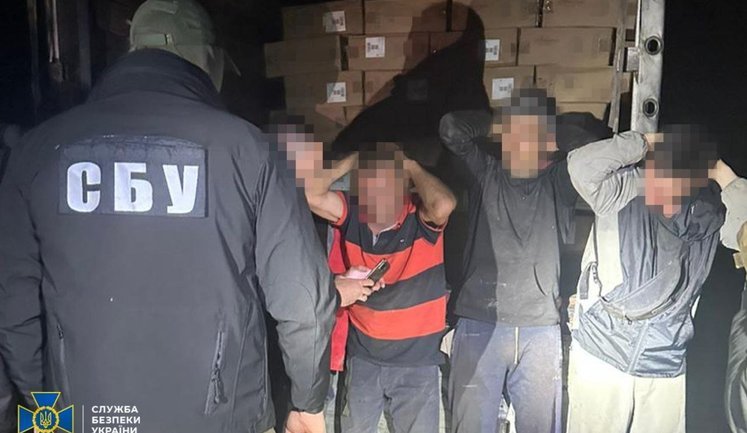
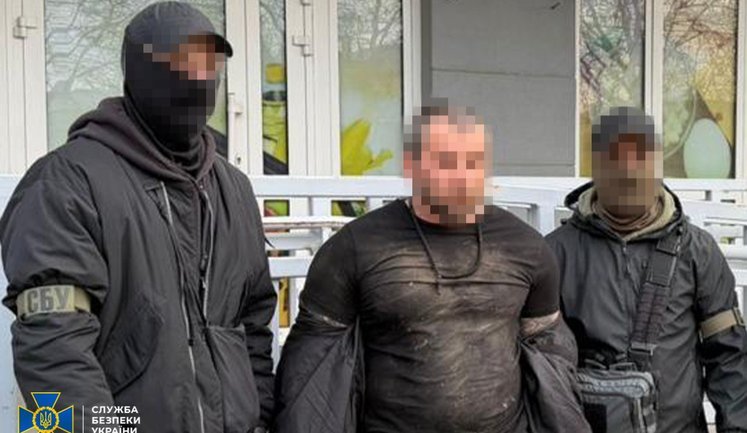
Recent events in Ukraine have brought to light a series of detentions involving Russian FSB agents. In Kyiv, an agent network was preparing attacks on prominent military commanders. The Security Service of Ukraine (SSU) also detained individuals involved in plotting terrorist actions in Khmelnytskyi and preparing to blow up a power substation in Kropyvnytskyi. Additionally, a man was apprehended in Ternopil for bank arson, believed to be recruited by Russian special services. These actions underscore the persistent threat posed by FSB agents in Ukraine, aiming to destabilize the region through sabotage, espionage, and direct attacks on critical infrastructure and military installations.
What recent actions have been taken against FSB agents in Ukraine?
In Kyiv, a Russian agent network was uncovered, planning attacks on military commanders. The SSU detained agents involved in terror plots in Khmelnytskyi and a planned substation explosion in Kropyvnytskyi. These actions highlight ongoing threats from FSB operatives in Ukraine.
How are FSB agents impacting security in Ukraine?
FSB agents have been involved in planning and executing attacks on military personnel and infrastructure. Recent arrests in Kyiv and Khmelnytskyi demonstrate their strategy to disrupt and create chaos in Ukraine, affecting national security significantly.
What terrorist activities were FSB agents planning in Ukraine?
Agents were plotting assassinations of military leaders, terrorist attacks in Khmelnytskyi, and explosions at a Kropyvnytskyi power substation. These plots show their intent to destabilize Ukrainian infrastructure and military capabilities.
What measures are Ukrainian authorities taking against FSB activities?
The SSU is actively uncovering and dismantling FSB networks within Ukraine. Recent detentions include agents planning military and infrastructure attacks, with ongoing efforts to counter intelligence threats from Russian operatives.
How do FSB attacks affect civilian infrastructure in Ukraine?
FSB agents target civilian infrastructure such as power substations and communication networks, intending to cause widespread disruption. Dismantling these networks is critical to maintaining stability and preventing terrorist activities across the country.
Have there been any FSB-related arrests in other regions of Ukraine?
Yes, arrests have been made in multiple regions including Ternopil, Khmelnytskyi, and Kropyvnytskyi. These arrests are part of a broader effort to dismantle FSB networks conducting espionage and terrorism-related activities in Ukraine.
What is the implication of FSB agent capture for Ukraine's internal security?
The capture of FSB agents disrupts planned attacks and provides intelligence on broader Russian efforts to undermine Ukrainian sovereignty. It strengthens internal security and allows authorities to preempt future threats by dismantling espionage networks.