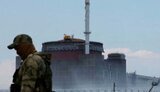
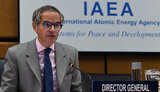
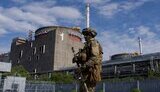
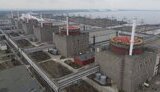
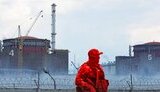
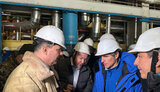
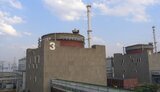
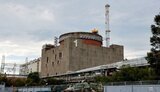
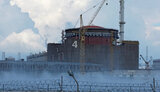
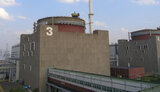
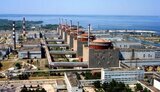
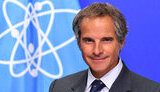
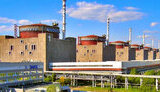
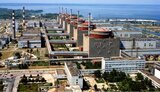
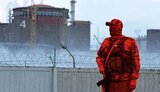
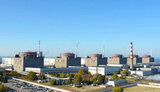
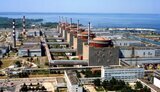
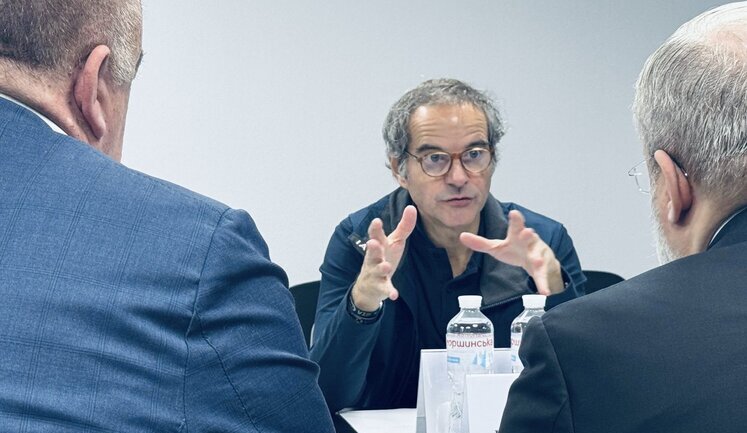
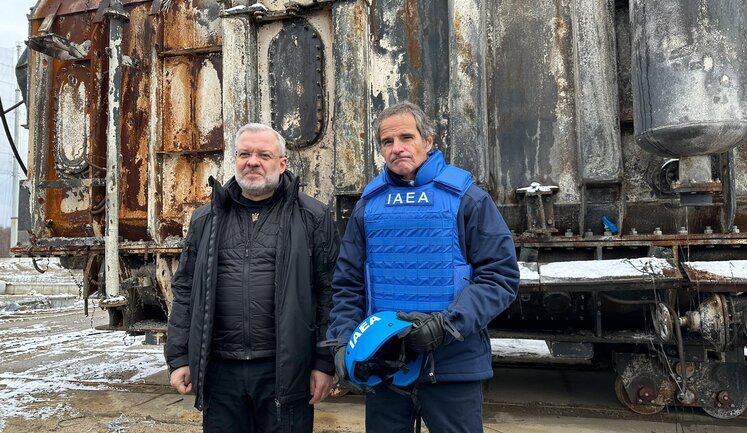
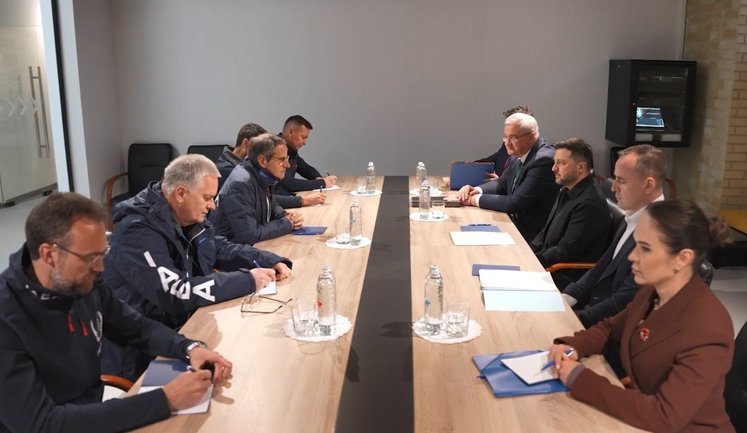
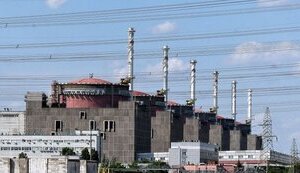
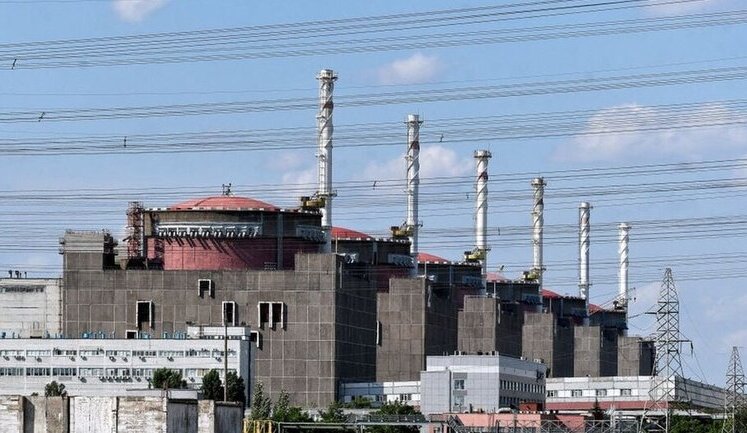
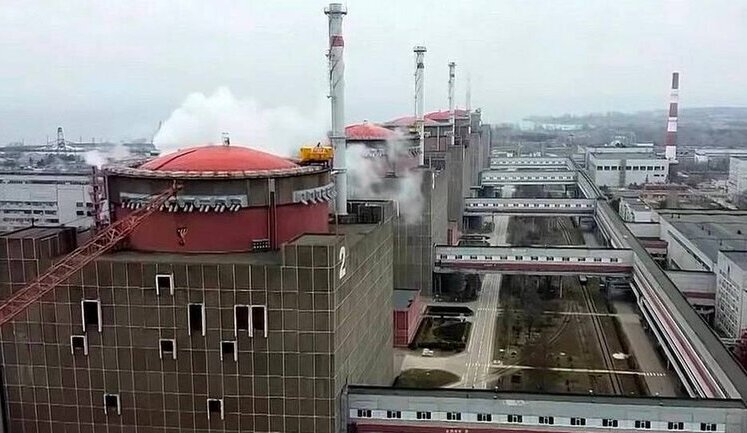
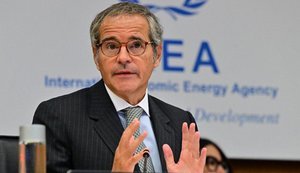
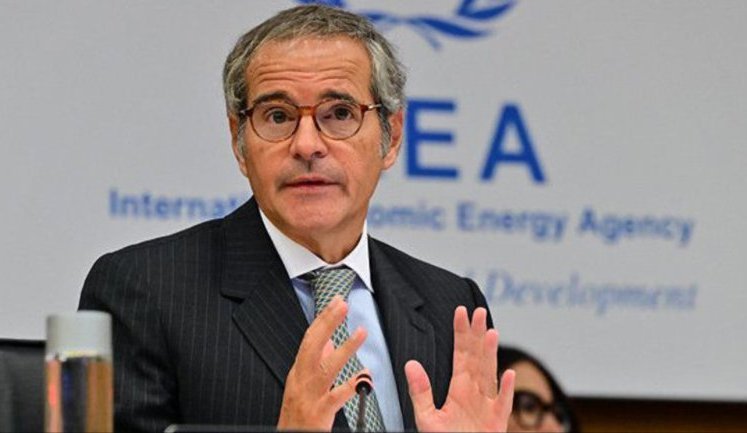
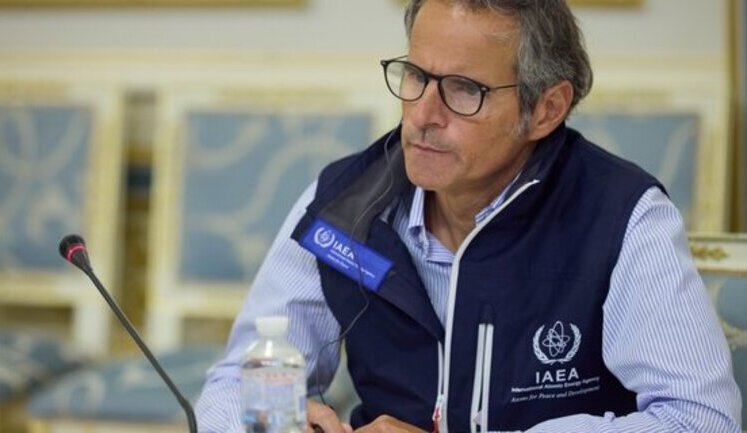
Rafael Grossi, Director General of the International Atomic Energy Agency (IAEA), has been actively engaged in mitigating nuclear safety threats in Ukraine. Following a series of Russian military strikes, Ukraine had to reduce the power at several nuclear reactor units, showcasing the strains on their nuclear infrastructure. Amidst these challenges, Grossi has called for expanded missions to key substations vital for nuclear power plant operations in Ukraine. The IAEA's involvement has been pivotal, maintaining oversight and ensuring no significant damage to nuclear facilities like Iran's. The ongoing situation at the Zaporizhzhia Nuclear Power Plant, occupied by Russian forces, remains particularly unstable, necessitating a potential "special status" if peace is achieved. Grossi's leadership during these critical times emphasizes his commitment to global nuclear safety.
What measures has the IAEA taken to ensure nuclear safety in Ukraine?
The IAEA, under the leadership of Rafael Grossi, has expanded missions to key electrical substations and maintained constant monitoring of nuclear facilities. The organization aims to prevent any escalation of nuclear threats and ensure operational safety, particularly at the occupied Zaporizhzhia Nuclear Power Plant. This involves negotiating ceasefires for critical repairs and ensuring continuous oversight.
How has Grossi's intervention impacted the Zaporizhzhia Nuclear Power Plant?
Grossi's interventions have led to strategic operations aimed at stabilizing conditions at the Zaporizhzhia Plant. These include facilitating temporary ceasefires to allow for essential repairs and ensuring the plant's connection to external power. His efforts have prevented further nuclear incidents despite the high risks posed by military activities in the area.
What are the implications of the IAEA's expanded mission in Ukraine?
The expansion of the IAEA's mission enhances monitoring capabilities, which is crucial in a volatile environment. It allows the agency to maintain effective oversight, ensure compliance with safety standards, and support Ukraine's nuclear facilities amidst ongoing military threats. This proactive approach is vital for international nuclear security.
What challenges does the occupied Zaporizhzhia NPP face currently?
The Zaporizhzhia Nuclear Power Plant faces numerous challenges, including compromised safety protocols and a reliance on a single power line for operational stability. Russian military occupation complicates direct interventions, necessitating international mediation and a special cooperation status if peace negotiations progress.
How could a peace agreement affect Ukraine’s nuclear operations?
A potential peace agreement could lead to a return of full control over Ukrainian nuclear sites by Ukrainian authorities. However, negotiations would require provisions for "special status" arrangements for places like Zaporizhzhia NPP, ensuring their secure integration and operational stability sans conflict-driven risks.
Why is Grossi's role critical in the current nuclear landscape?
Rafael Grossi's role is crucial as he leverages diplomatic channels to manage nuclear risks in conflict zones. His leadership helps coordinate international efforts, mediate discussions between conflicting parties, and ensure adherence to nuclear safety standards, safeguarding global nuclear security interests.