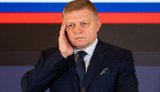
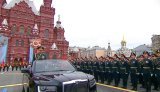
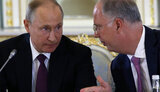
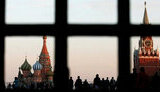
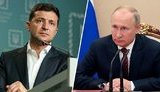
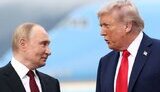
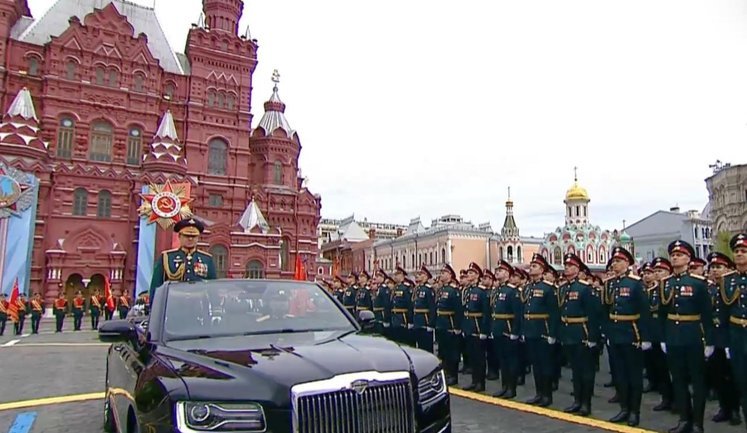
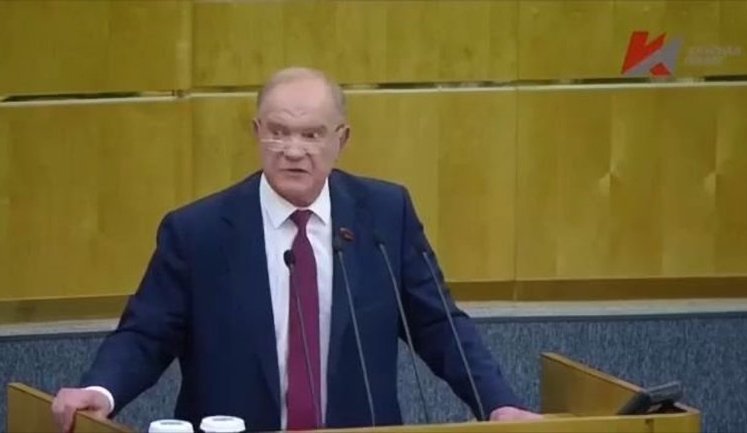
Recent events highlight the Kremlin’s diplomatic and political challenges. Prime Minister Robert Fico’s impending visit to the Moscow parade underscores the Kremlin's desire to maintain diplomatic visibility. Meanwhile, Russia’s strategic stance in its ongoing war with Ukraine reflects unsatisfied military ambitions, despite internal criticisms from figures like Zyuganov over economic hardship. Kremlin propagandist Pankin’s public fatigue signifies strain within Russian information channels. Furthermore, Russia's rejection of a U.S.-Ukraine peace plan underlines the Kremlin's focus on negotiating under its terms. These developments indicate the Kremlin's complex geopolitical landscape amidst domestic instability.
What challenges is the Kremlin currently facing?
The Kremlin is grappling with diplomatic tensions, as seen in its rejection of a U.S.-Ukraine peace plan. Internally, economic hardships and dissent amongst Kremlin propagandists like Ivan Pankin and Gennady Zyuganov reflect growing dissatisfaction with prolonged military commitments in Ukraine.
How is Russia's military strategy affecting its international relations?
Russia's military strategy, particularly regarding Ukraine, is impacting international relations by prolonging conflict and increasing tensions with Western nations. The continuation of military aggression and the dismissal of peace efforts reflect strategic prioritization over diplomatic resolutions.
What is Russia's position on the proposed peace plan?
Russia has dismissed the U.S.-Ukraine proposed peace plan, indicating that it does not meet the Kremlin's strategic interests and goals. The Kremlin emphasizes the need to address its primary demands as a prerequisite for diplomatic negotiations.
What are the internal consequences of the Kremlin's current policies?
Internally, Kremlin policies have led to economic strain and fueled criticism from influential figures like Gennady Zyuganov, who warns of potential social unrest. This turmoil is compounded by propagandists expressing weariness over the prolonged conflict in Ukraine.
What impact does Kremlin's rejection of peace proposals have on the conflict in Ukraine?
The Kremlin's rejection of peace proposals maintains military hostilities and prevents potential resolutions to the Ukraine conflict. This steadfastness not only perpetuates violence but also diminishes possibilities for diplomatic dialogue with Ukraine and allied nations.
How do recent statements from Kremlin officials reflect Russia's diplomatic stance?
Recent statements from Kremlin officials reflect a diplomatic stance focused on asserting dominance and maintaining strategic advantages. This is evident in the explicit rejection of peace initiatives and the emphasis on meeting Russia’s conditions before engaging in substantive dialogue.
What are the repercussions for Russian society under current Kremlin policies?
Under current Kremlin policies, Russian society faces economic downturns and increasing internal criticism. Figures like Zyuganov express concern over potential civil disruption as economic and social pressures mount due to continued military expenditures and neglect of domestic priorities.