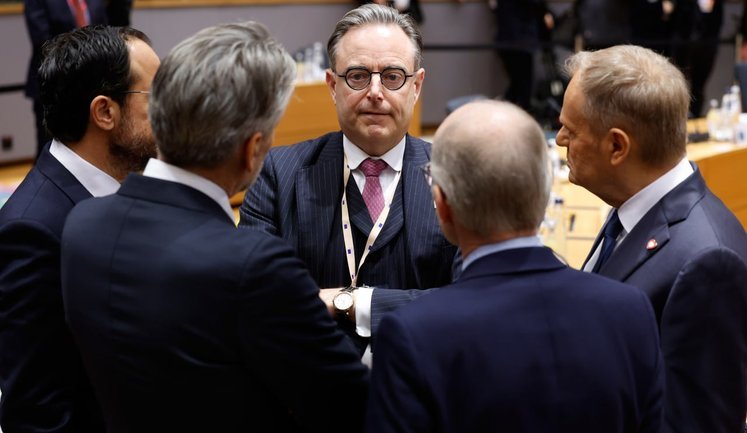
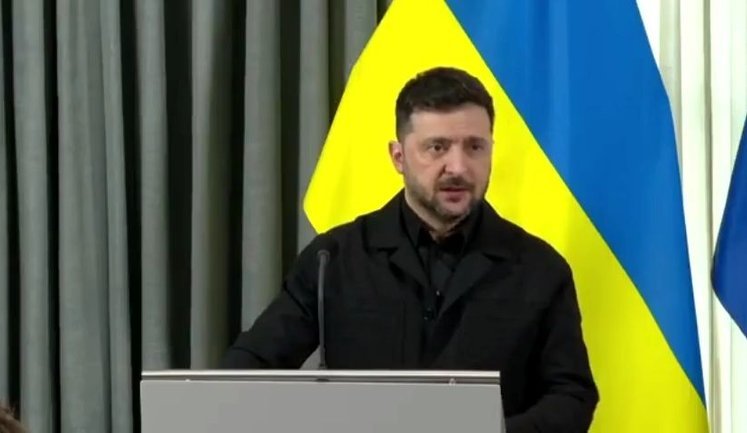
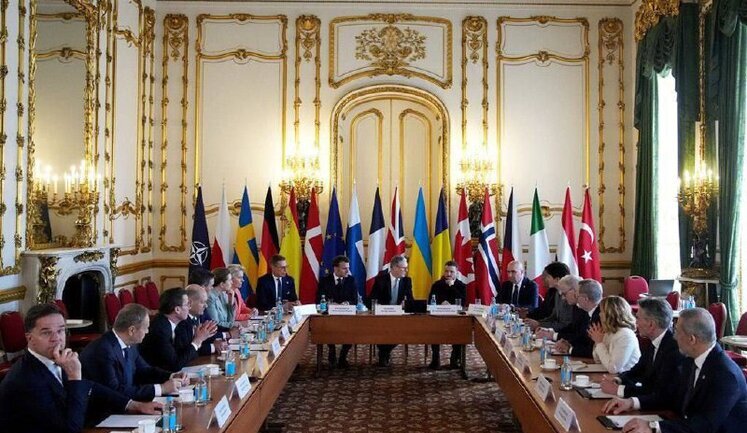
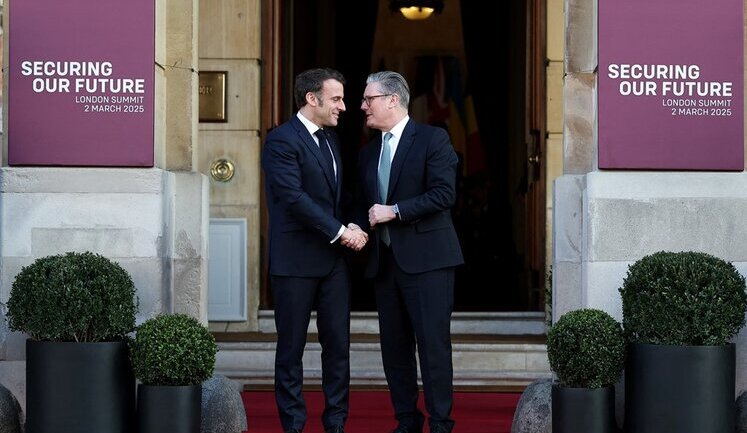
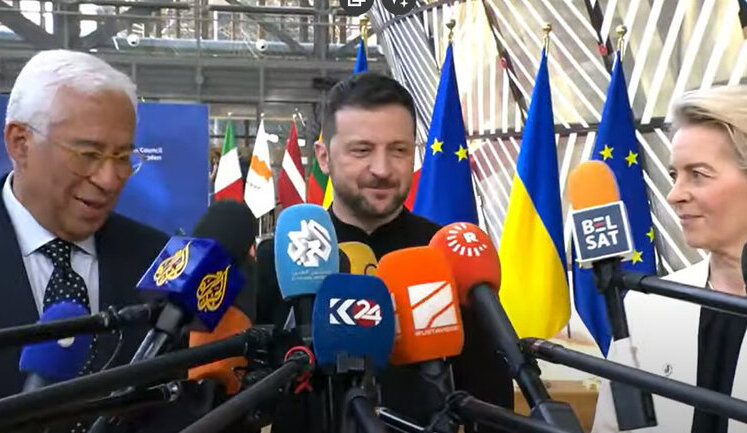
The European Union summit has brought to the forefront critical discussions regarding the financing of Ukraine amidst ongoing tensions. Despite extensive negotiations, EU leaders have not reached an agreement on utilizing frozen Russian assets to aid Ukraine, illustrating the divisive and intricate nature of international diplomacy involved. Ukrainian President Volodymyr Zelenskyy is actively participating in these discussions, aiming to secure a "reparations loan" for Ukraine. His involvement emphasizes the importance of unity and strategic partnerships in addressing the pressing challenges faced by Ukraine. The summit is pivotal in shaping future efforts toward peace and security in the region.
What is the main topic of the current European Union summit?
The primary focus of the European Union summit is the financing of Ukraine, particularly discussing the use of frozen Russian assets. The summit aims to address the ongoing challenges in Ukraine through diplomatic discussions involving EU leaders and President Volodymyr Zelenskyy.
Why is President Zelenskyy attending the EU summit in Brussels?
President Volodymyr Zelenskyy is attending the European Union summit in Brussels to engage in discussions on acquiring a "reparations loan" for Ukraine. His participation underscores Ukraine's efforts to secure necessary financial support amidst ongoing geopolitical tensions in the region.
Has the EU reached an agreement on using frozen Russian assets for Ukraine?
As of now, the European Union has not reached an agreement on using frozen Russian assets to support Ukraine. The issue remains contentious, highlighting the complexities of EU diplomacy and member states' differing perspectives on the matter.
Will President Zelenskyy meet with other world leaders during the summit?
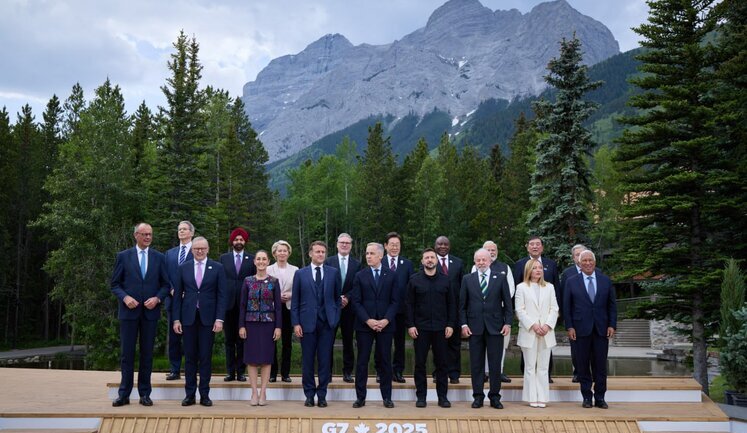
During the summit, President Volodymyr Zelenskyy is likely to engage with various world leaders to discuss ongoing security and financial concerns related to Ukraine. These meetings are crucial for strengthening international support for Ukraine's cause.
What other significant topics will the EU summit cover?
In addition to the discussions on Ukraine, the EU summit will address broader security issues and efforts to strengthen Europe's defense capabilities, reflecting an overarching focus on enhancing regional stability in light of recent geopolitical developments.
Is there any indication of a resolution at the EU summit regarding Ukraine?
While discussions are ongoing, no definitive resolution has been reached at the EU summit. The negotiations are complex and reflect the challenges in achieving consensus among member states regarding the appropriate measures to support Ukraine in the current geopolitical context.
What is the impact of the EU summit on Ukraine's international support?
The EU summit plays a crucial role in demonstrating international commitment to supporting Ukraine. Discussions on financial aid and strategic cooperation highlight the importance of collaborative efforts in addressing Ukraine's ongoing challenges and promoting regional security.