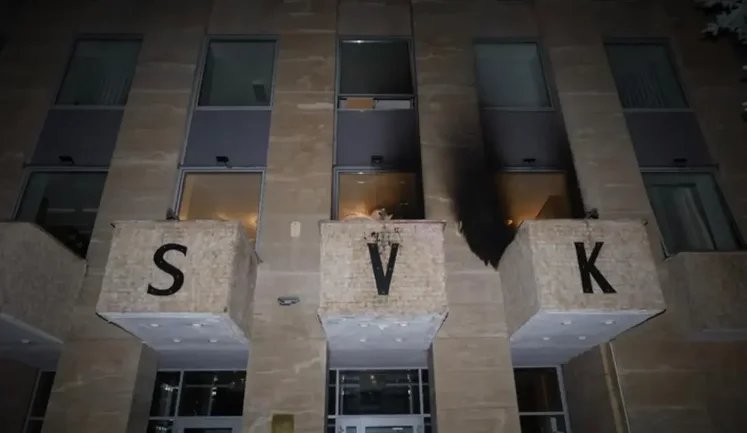
Recent events in the Czech Republic have sparked a significant amount of attention. Notably, the Czech law enforcement authorities have detained a fifth suspect linked to an arson attack on the LPP Holding arms factory located in Pardubice. This incident underscores issues surrounding security and political unrest in the region. Additionally, there's growing support within the Czech populace, with over half backing continued military aid to Ukraine, illustrating the nation’s stance on international involvement and defense cooperation. Czech President Petr Pavel and PM Andrej Babiš hold divergent views on defense spending, further feeding the debate. These stories reflect both internal challenges and the Czech Republic's active role on the global stage. Stay tuned to understand how these developments could shape regional and international dynamics.
What is the impact of the arson attack on the Czech arms factory?
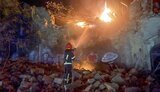
The arson attack on LPP Holding's arms factory in Pardubice has heightened security concerns within the Czech Republic. The arrest of five suspects, including those with foreign ties, indicates a potentially broader conspiracy. This incident has sparked discussions about the country's law enforcement and defense strategies, as well as pressure on the government to ensure such facilities are protected against similar threats in the future.
How do the Czech people feel about supporting Ukraine?
Public opinion in the Czech Republic largely favors supporting Ukraine, as evidenced by recent polls indicating 54% of Czechs endorse continued military aid. This majority reflects a strong sentiment in favor of assisting Ukraine amidst the ongoing conflict with Russia, aligning with broader European Union support for Ukraine’s defense and humanitarian needs.
What are the diplomatic tensions involving the Czech Republic?
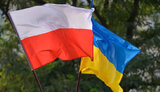
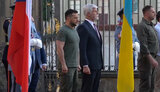
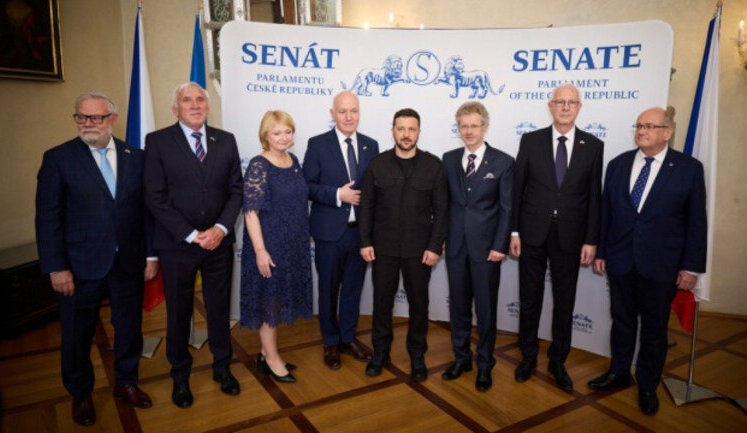
Diplomatic tensions in the Czech Republic have escalated recently due to internal political disagreements over defense spending and aid to Ukraine. The controversial removal of Ukrainian flags from government buildings has raised eyebrows and prompted discussions about national and regional policy directions, reflecting underlying political fractures within the Czech government.
Are there ongoing protests in the Czech Republic?
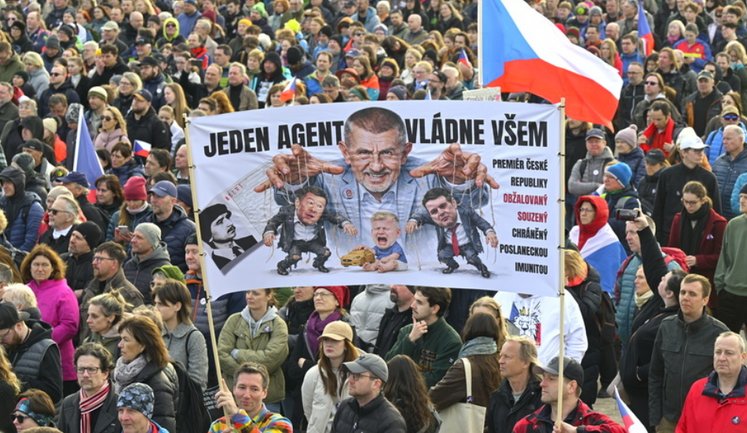
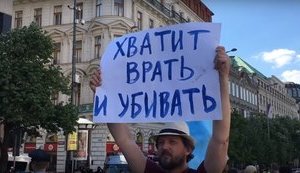
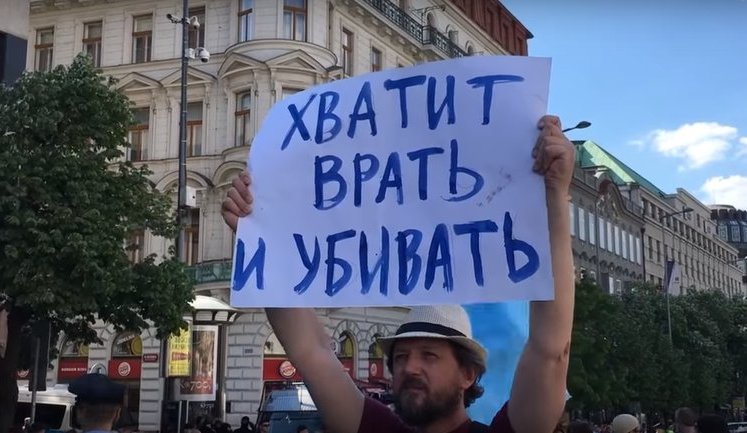
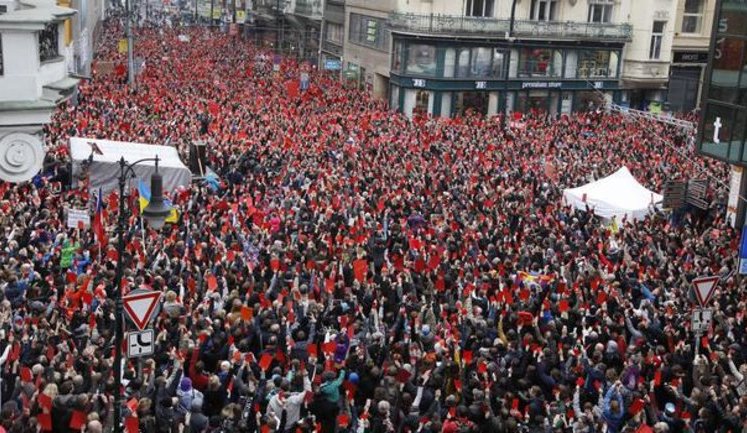
Yes, significant protests have been held against the government of Prime Minister Andrej Babiš. One notable rally in Prague attracted thousands protesting against perceived governmental failures and undemocratic policies. Such public demonstrations highlight growing domestic discontent and political polarization within the Czech Republic.
What stance has the Czech government taken on defense spending?
Czech Prime Minister Andrej Babiš has confirmed no immediate plans to increase the defense budget, despite NATO's calls for greater spending. His stance has sparked debate both domestically and internationally regarding the Czech Republic's military and defense commitments in light of regional security challenges.