ENG




20363 visitors online
The Czech Republic is set to boost its drone production capacity with a new facility by Primoco UAV in Písek, targeting 300 units annually. This move underscores Czechia’s commitment to enhancing its technological capabilities in the defence sector. Meanwhile, the arrest of a suspect linked to the attack on the "Russian House" in Prague highlights ongoing tensions. Political dynamics evolve as protests against the Babiš government gather momentum, reflecting domestic discontent. Furthermore, Czechia’s role in supporting Ukraine is affirmed, with over half the population backing continued military aid. These developments signify significant shifts in both domestic policy and international relations for the Czech Republic.
What is the key purpose of Czechia's new drone facility?
The new drone production facility in Písek is being established by Primoco UAV to significantly increase the country's drone production capabilities to 300 units per year. This expansion aims to enhance Czechia's technological edge and support defence needs both domestically and potentially for international supply.
What recent political unrest has occurred in Prague?
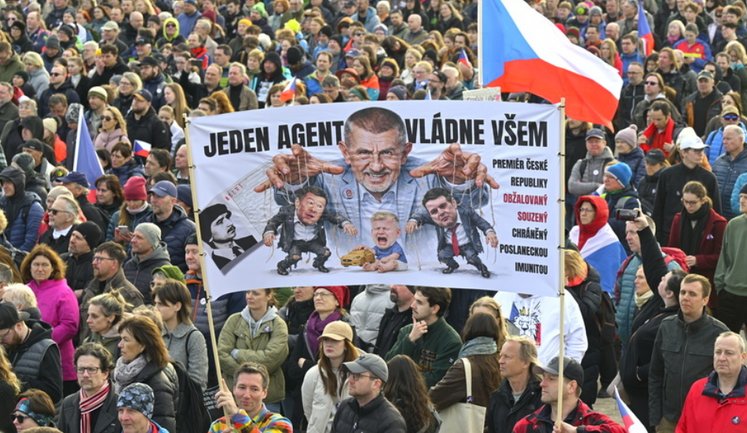
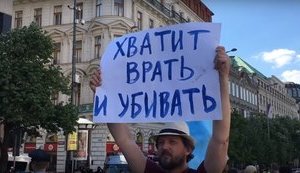
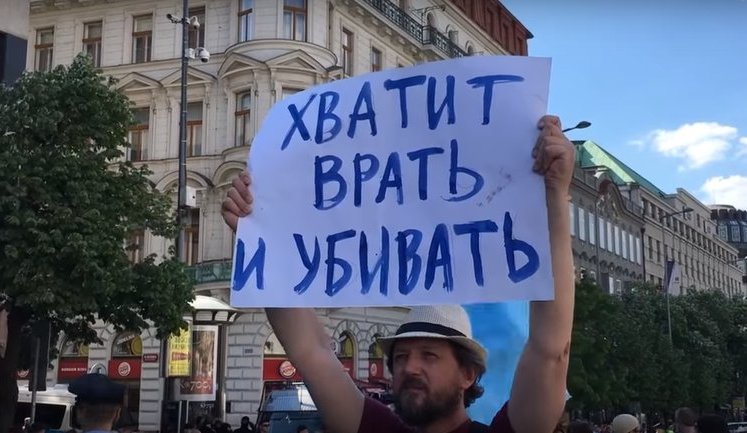
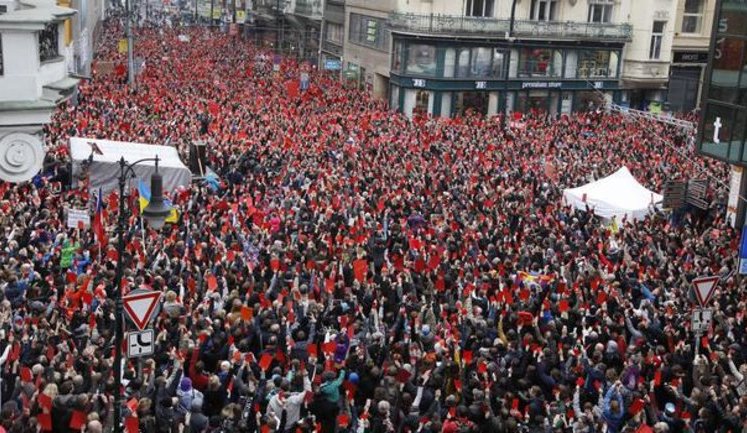
Recently, a large protest rally took place in Prague against the government of Andrej Babiš. Thousands of citizens gathered to express their dissent, underlining significant public unrest and political opposition within the country. This is indicative of the broader political climate and citizen sentiment in Czechia.
How does the Czech Republic impact Ukraine's defence sector in 2026?
The Czech Republic continues to play a crucial role in supporting Ukraine, with initiatives such as the supply of ammunition and possible transfers of military equipment like T-72M4CZ tanks. Public support for aiding Ukraine remains strong, with a majority of Czechs endorsing ongoing military assistance amid the conflict with Russia.
What incident involved the "Russian House" in Prague?
The "Russian House" in Prague was the target of an attack involving Molotov cocktails. The situation culminated in the arrest of a suspect who turned himself in to the authorities. This incident reflects ongoing geopolitical tensions and security concerns within Czechia's capital.
Why is there controversy over military aid in the Czech Republic?
Controversy arises due to differing political views on the extent of military aid the Czech Republic should provide to Ukraine. Certain political figures oppose such assistance, citing economic priorities, while others, including President Petr Pavel, advocate for continued support as a means of ensuring future security and fostering economic opportunities.
News Czech Republic
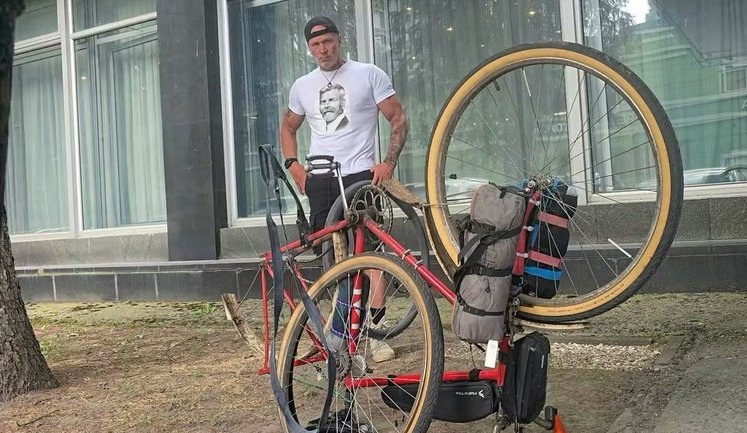
 Dog waste bags featuring Russian dictator’s portrait printed in Prague: "It’s difficult, but I found something Putin will be useful for". VIDEO A rather practical use has been found in Prague for a portrait of Russian dictator Vladimir Putin, it has been printed on dog waste bags. 5 821 22 Previously in trend: Aid to Ukraine from the Czech Republic
 Czech Republic is ready to respond to Russian attack on Baltic states, - Prime Minister Babiš The Prime Minister of the Czech Republic, Andrej Babiš, has given assurances that Prague is prepared to fulfil its obligations to NATO in the event of a Russian attack on one of the Baltic states. 1 508 10 Previously in trend: Russia’s attack on NATO countries Russian provocations over the Baltics
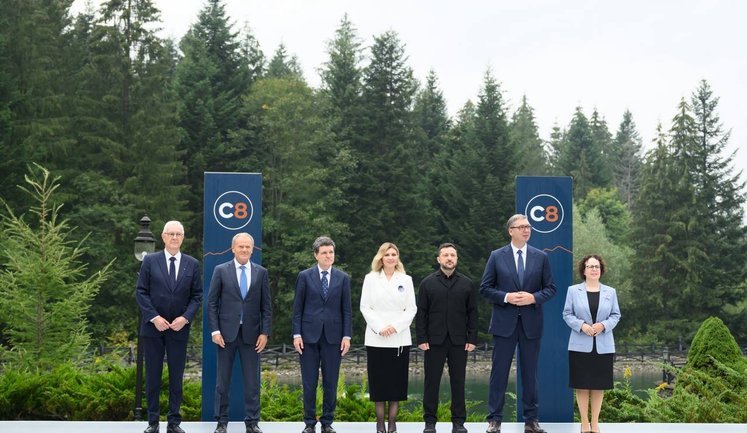
 ’Carpathian Eight’ meeting has begun, - Zelenskyy. VIDEO President Volodymyr Zelenskyy has announced the launch of a new format, the C8 – the Carpathian Eight – involving Ukraine and seven European states. 7 097 35 Previously in trend: Carpathian Eight
 Czech Republic has proposed creating European "Iron Dome" to defend against ballistic missiles Czech Prime Minister Andrej Babiš has proposed that European countries create a joint missile defense system called "Euro Patriot." According to his plan, it could be built based on the experience of Israel's multi-layered air and missile defense system. 2 469 20 Previously in trend: Anti-ballistic air defense system
 Czech Republic will draw on Ukraine’s experience in countering drones and air defense, - General Staff The Czech Republic plans to incorporate Ukrainian combat experience into the development of its own armed forces. This primarily concerns air defence, counter-drone measures, and the modernisation of its land forces and cyber forces. 463 0 Previously in trend: Cooperation of Ukraine and Czechia
 Czech Foreign Minister calls on new Russian Ambassador to end war against Ukraine Czech Foreign Minister Petr Macinka told the new Russian ambassador that no explanation can justify the war against Ukraine, and that peace is possible only after Moscow takes concrete steps. 818 1 Previously in trend: Ending the war
 Babis’ government announced Czech Republic’s contributions to PURL for Ukraine for first time The Czech government will redirect funds from certain projects to the PURL initiative, under which U.S. weapons are being purchased for Ukraine, Foreign Minister Petr Matinka said before leaving for the NATO summit. 1 317 4 Previously in trend: Aid to Ukraine from the Czech Republic PURL program
 Czech Foreign Minister Macinka on initiative to strip Zelenskyy of his award: There is no legal way to do so The Czech Foreign Minister, Petr Macinka, regards the initiative by the "Freedom and Direct Democracy" (SPD) coalition movement to strip Ukrainian President Volodymyr Zelenskyy of the Czech Order of the White Lion as a political gesture on the part of that political force. 1 182 11 Previously in trend: Relationship between Ukraine and the Czech Republic
 Foreigners defrauded of 1.6 million hryvnias: Ukrainian and Czech law enforcement officers have uncovered fraudulent scheme. VIDEO+PHOTOS Ukrainian and Czech law enforcement agencies have uncovered an international fraud scheme in which the perpetrators defrauded foreign nationals under the guise of investment via an online platform. 2 958 4 Previously in trend: financial fraud Fraudulent schemes Exposing fraudulent cyber company
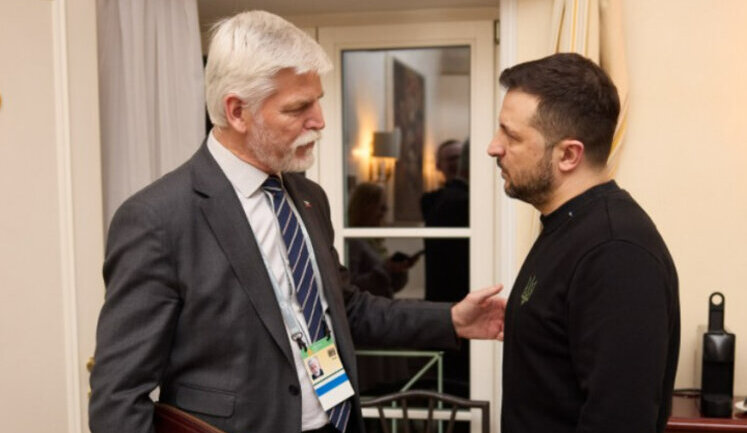
 Number of countries funding Czech initiative to purchase ammunition for Ukraine has halved, - Pavel The number of countries participating in the "Czech initiative" to procure ammunition for Ukraine has halved since Czech Prime Minister Andrej Babiš returned to office in December 2025. 1 938 13 Previously in trend: Czech ammunition procurement initiative
 EU prepares to extend protection for Ukrainian refugees The European Union is likely to extend temporary protection for Ukrainians for another year, until March 2028. 2 648 2 Previously in trend: Ukrainians abroad
 Czech Republic allowed Fico’s plane to fly to Moscow for parade - Czech Foreign Ministry The Ministry of Foreign Affairs of the Czech Republic has confirmed that it granted permission for the flight of Slovak Prime Minister Robert Fico’s plane during his trip to Moscow on the eve of May 9. 2 618 35 Previously in trend: 9th May in Russia Fico is going to Moscow on 9th May
 Czech Republic to join agreement on Special Tribunal for Russia, — Sybiha The Czech Republic has expressed its willingness to join the Enlarged Partial Agreement to establish a Special Tribunal on the crime of aggression against Ukraine. 571 1 Previously in trend: special tribunal for the crimes of the Russian Federation
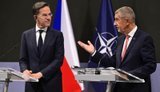 Czech Republic will fulfill its obligations to NATO, - Babiš Czech Prime Minister Andrej Babiš assured NATO Secretary General Mark Rutte that the country is working to increase its defense spending. 817 0 Previously in trend: Defense expenditures
 Czech initiative is having real effect, more than 4 million rounds delivered to Ukraine, Rutte says Under the Czech initiative, allies have delivered more than 4 million rounds of ammunition to Ukraine. 1 266 4 Previously in trend: Czech ammunition procurement initiative
 New drone production plant to be built in Czechia Czech drone manufacturer Primoco UAV has received a permit to build a new facility in the city of Písek, which will help the company increase drone production to 300 units per year. 1 561 6 Previously in trend: Drone industry Drone production in the Czech Republic
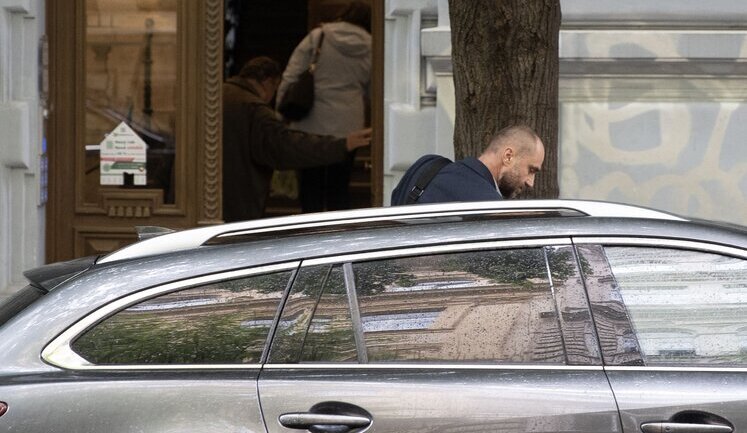
 Suspect in attack on "Russian House" has been arrested in Prague: foreign national turned himself in to police A suspect in the attack on the "Russian House" building was detained in Prague, Czech Republic, on the evening of March 26. The man turned himself in to the police and confessed. 2 235 4 Previously in trend: russians abroad
 Arson attack on defence factory in Czech Republic: fifth suspect arrested Czech law enforcement officials have detained a fifth person suspected of involvement in the arson of the premises of the LPP Holding arms company in Pardubice. 2 769 3 Previously in trend: Fire at a defense enterprise in the Czech Republic
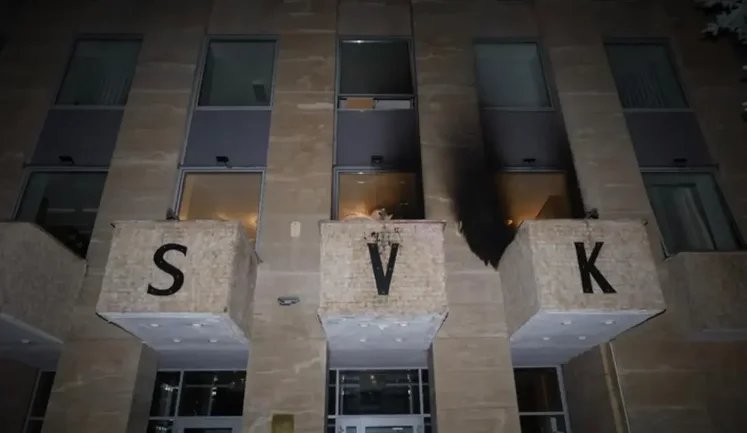
Unknown person threw Molotov cocktails at "Russian House" in Prague. VIDEO+PHOTOS In Prague, an unknown person threw several bottles containing a flammable mixture at the "Russian House" building. 3 286 21 Previously in trend: Russian propaganda russians abroad
 Three suspects in arson attack on defence factory in Czech Republic have been arrested Police in the Czech Republic have arrested three suspects in connection with the arson attack on a warehouse belonging to the LPP Holding arms factory in Pardubice; among them are citizens of the Czech Republic and the United States. 4 194 8 Previously in trend: Fire at a defense enterprise in the Czech Republic
 "We will not let them steal our future": rally involving thousands of people against Babiš government is taking place in Prague. PHOTOS On Saturday, 21 March, a protest rally attended by thousands of people is taking place in the centre of the Czech capital against the government of Andrej Babiš. 6 398 18 Previously in trend: protest against Babis government
 Strengthening defence partnership: NAUDI holds meetings with Czech defence industry companies. PHOTOS On Wednesday, March 18, bilateral B2B meetings were held in Kyiv between private Ukrainian and Czech defence manufacturers, organised by the National Association of Ukrainian Defence Industries (NAUDI). 1 720 2 Previously in trend: Aid to Ukraine from the Czech Republic Cooperation of Ukraine and Czechia Production of weapons
Poll: 54% of Czechs support continued military aid to Ukraine More than half of Czech citizens are in favor of continuing military aid to Ukraine. 1 616 7 Previously in trend: Aid to Ukraine from the Czech Republic
Czech Republic will not increase defense spending despite NATO demands, - Babiš Prime Minister Andrej Babiš confirmed that the Czech Republic does not plan to increase its defense budget. 2 214 33 Previously in trend: Defense expenditures
 Funds for 880,000 rounds of ammunition for Ukraine are already available as part of "Czech initiative" Funding for approximately 880,000 rounds of ammunition for Ukraine has been secured for 2026 as part of the Czech initiative. 690 9 Previously in trend: Czech ammunition procurement initiative
 Most Czech residents support continued assistance to Ukraine Most Czech citizens support continued assistance to Ukraine in its war against Russia. 882 6 Previously in trend: Aid to Ukraine from the Czech Republic Relationship between Ukraine and the Czech Republic
 It is naive to believe that we are close to peace agreement between Ukraine and Russia, - Pavel Czech President Petr Pavel believes that those who expected a quick peace agreement between Ukraine and Russia were naive. 1 340 15 Previously in trend: Ending the war
 Ukraine received 4.4 million shells under "Czech initiative" – Pavel Czech President Petr Pavel has said that Ukraine has received 4.4 million large-caliber shells under the "Czech initiative". 768 5 Previously in trend: Czech ammunition procurement initiative
 62% of Czechs support continuation of "shell initiative" for Ukraine, - poll The continuation of the shell initiative for Ukraine launched by the Czech Republic is supported by 62% of Czechs. 554 6 Previously in trend: Czech ammunition procurement initiative Aid to Ukraine from the Czech Republic
 Czech company founded by DEVIRO co-owners to sell drones to India The Czech company U&C UAS, founded by co-owners of DEVIRO, one of Ukraine’s largest drone manufacturers, has signed a contract to supply UAVs to India, with a further prospect of technology transfer and setting up joint production. 197 0 Previously in trend: Drone industry
 In Czech Republic, tram driver who forced Ukrainians off tram sentenced to 200 hours of community service The District Court for Prague 10 found tram driver Daniel Bejvl guilty of hooliganism over an incident involving a Ukrainian family and sentenced him to 200 hours of community service. 4 551 15 Previously in trend: Ukrainians in the Czech Republic
 While war is ongoing, there is probably no reason to ease sanctions against Russia, - Czech Foreign Minister Macinka Czech Foreign Minister Petr Macháček believes that while the war against Ukraine continues, sanctions against Russia should not be eased. 882 6 Previously in trend: Sanctions against Russia Lifting sanctions against Russia
 Czech Republic’s refusal to transfer L-159 aircraft to Ukraine was revenge against President Pavel, - country’s Foreign Ministry Czech Foreign Minister Petr Macečka said that the government's position on the transfer of L-159 fighter jets to Ukraine is linked to President Petr Pavel's intransigence regarding the appointment of Filip Turek as Minister of the Environment and media coverage. 6 369 11 Previously in trend: Aid to Ukraine from the Czech Republic
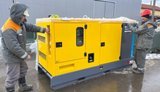 Czechia urgently allocates $500,000 for generators for Ukraine The Czech government has urgently decided to allocate $500,000 for the purchase of generators for Ukraine amid a worsening situation in the energy sector following Russia’s January attacks. 1 004 8 Previously in trend: Aid to Ukraine from the Czech Republic
 Czech volunteers raised over $6 million for generators for Ukraine As part of the "Gift for Putin" initiative, Czech volunteers raised over six million dollars in five days for generators, heaters, and batteries for Ukraine. 831 12 Previously in trend: Aid to Ukraine from the Czech Republic
 Czech Republic to deliver fiber-optic FPV drones to Ukraine developed based on intercepted Russian UAV. PHOTOS A Czech company, in cooperation with volunteers, has developed fiber-optic FPV drones. The drones are based on technologies from intercepted Russian UAVs. 6 440 17 Previously in trend: Aid to Ukraine from the Czech Republic Drone industry
 Svyrydenko announces deliveries of generators and transformers from Azerbaijan, Slovakia and Czech Republic A new batch of international assistance aimed at supporting the energy system and the population’s humanitarian needs will arrive in Ukraine in the near future. 1 501 21 Previously in trend: Attacks on the energy sector Restoration of the power grid
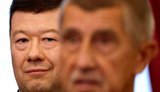 Czech government has refused Ukraine’s request to purchase light combat aircraft, - Parliamentary Speaker Okamura Tomio Okamura, leader of the far-right party in Prime Minister Andrej Babiš's ruling coalition, announced that the Czech government had decided not to sell light combat aircraft to Ukraine. 10 092 62 Previously in trend: Aid to Ukraine from the Czech Republic
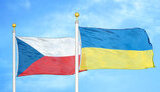 Czech Republic criticises President Pavel for comments on supplying aircraft to Ukraine The Czech Ministry of Foreign Affairs has criticized President Petro Pavel's statement regarding the possible supply of aircraft to Ukraine without government approval, according to Censor.NET. 5 264 15 Previously in trend: Relationship between Ukraine and the Czech Republic
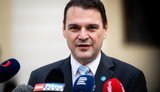 Czech Foreign Minister Macinka arrives in Ukraine Foreign Minister Petr Macinka has arrived in Ukraine on a visit. 1 086 6 Previously in trend: Relationship between Ukraine and the Czech Republic
 Czech FM Macinka met with Ambassador Zvarych, who criticized Czech speaker On Monday, January 5, Czech Foreign Minister Petr Macinka met with Ukraine’s ambassador to the Czech Republic, Vasyl Zvarych. The meeting took place shortly after Zvarych criticized anti-Ukraine statements by Speaker of the Chamber of Deputies Tomio Okamura. 3 293 9 Previously in trend: Czech attitudes towards war in Ukraine Relationship between Ukraine and the Czech Republic
 Babiš says he has not made final decision on future of "ammunition initiative" for Ukraine Czech Prime Minister Andrej Babiš said he has not yet made a final decision on the Czech initiative to procure ammunition for Ukraine. He also plans to review the specific results of the "Coalition of the Willing" at a meeting to be held on January 6. 1 503 11 Previously in trend: Czech ammunition procurement initiative
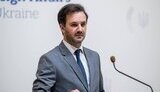 Ukrainian Foreign Ministry summons Czech representative over anti-Ukrainian statements by Speaker Okamura The Ministry of Foreign Affairs of Ukraine has summoned the Czech chargé d'affaires to clarify the statements made by Tomio Okamura, Speaker of the lower house of parliament. 2 520 44 Previously in trend: Czech attitudes towards war in Ukraine Relationship between Ukraine and the Czech Republic
Babiš promises to review Czech ammunition purchase initiative for Ukraine Czech Prime Minister Andrej Babiš has promised to thoroughly review the initiative to purchase ammunition for Ukraine and other projects of the country’s Ministry of Defence. 5 718 31 Previously in trend: Czech ammunition procurement initiative
 Czech speaker Okamura opposes aid to Ukraine: "Thieves around Zelenskyy junta build gold toilets with our money" Czech lower house speaker Tomio Okamura has again spoken out against providing military aid to Ukraine, claiming there are "thieves around the Zelenskyy junta". 11 083 120 Previously in trend: Aid to Ukraine from the Czech Republic Czech attitudes towards war in Ukraine
 Czech Republic prepares aid for Ukraine: it could be continuation of "ammunition initiative" – media Czechia’s Ministry of Defence has been tasked with preparing documents on providing assistance to Ukraine. 1 199 2 Previously in trend: Czech ammunition procurement initiative Aid to Ukraine from the Czech Republic
Most Czechs want Babiš government to keep supporting Ukraine – poll Most Czech citizens believe the newly formed government led by Andrej Babiš should continue supporting Ukraine — primarily through humanitarian aid. 1 476 14 Previously in trend: Aid to Ukraine from the Czech Republic
 €90 billion loan to Ukraine will not create obligations for Czech Republic, Hungary and Slovakia, - European Council The European Council's decision to provide Ukraine with €90 billion in financial support for 2026–2027 does not impose financial obligations on individual EU countries. Specifically, this applies to the Czech Republic, Hungary, and Slovakia. 2 688 31 Previously in trend: Use of frozen assets of Russian Federation Aid to Ukraine from Europe
Page 1 of 8
more news