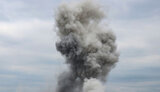
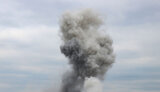
Explosions continue to inhibit safety and stability across Ukraine, impacting areas such as Kharkiv, Lviv, and Rivne. A tragic explosion in Lviv resulted in one fatality, highlighting the ongoing threat. Meanwhile, Kharkiv faces security challenges after a car explosion near a supermarket and an incident involving a grenade fuse. In Rivne, a gas cylinder explosion injured several individuals at an enterprise, emphasizing the dire need for stringent safety measures. These occurrences underline the critical importance of heightened security and preventive measures to safeguard civilians against further explosive incidents.
What caused the recent explosion in Kharkiv?
The recent explosion in Kharkiv was reportedly caused by a grenade fuse, as found by the National Police in the Saltivskyi district. The authorities are actively investigating to identify those responsible for the explosion and ensure community safety.
What incidents have occurred recently in Lviv involving explosions?
In Lviv, an explosion occurred in a high-rise building, tragically resulting in one person's death. The details of the incident are under scrutiny by emergency services to establish the cause and prevent future occurrences.
How has the explosion impacted Rivne region businesses?
An explosion in Rivne happened at an industrial enterprise when a gas cylinder detonated, injuring nine people. This incident underscores the vulnerabilities in safety protocols, prompting an urgent review to protect workers and prevent future mishaps.
Are there any safety measures in place following the explosion in Kharkiv?
Following the explosion in Kharkiv, local authorities, alongside the National Police, have increased security measures and investigations to deter further incidents. The community is urged to report suspicious activities to aid in safeguarding public safety.
What specific threats are posed by explosive devices in Ukraine?
Explosive devices, such as unexploded ordnances and improvised explosive devices (IEDs), pose severe threats. These hazards have resulted in loss of life, injuries, and significant property damage across Ukraine's urban and rural communities.
What are the broader implications of explosions on Ukrainian society?
Explosions impact Ukrainian society by escalating public fear, disrupting daily life, and putting additional strain on emergency services. These incidents necessitate comprehensive emergency preparedness and community cooperation to mitigate risks effectively.
What are the outcomes of the explosion investigations in these areas?
Investigations into the explosions in regions like Kharkiv and Lviv are ongoing, aiming to identify perpetrators and motives. Preliminary findings indicate varying causes, such as device malfunctions and potential deliberate acts, necessitating thorough investigations.