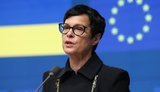
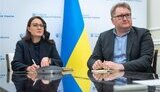
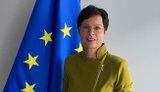
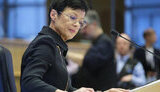
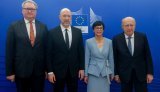
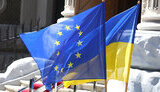
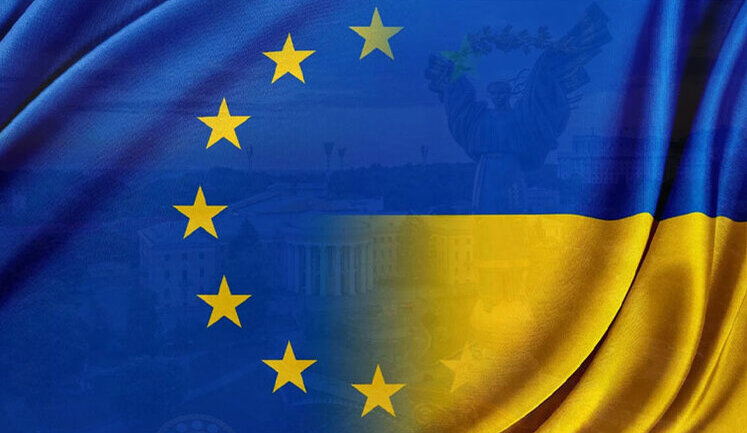
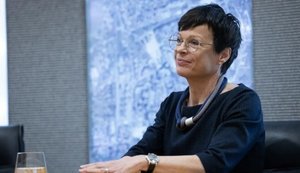
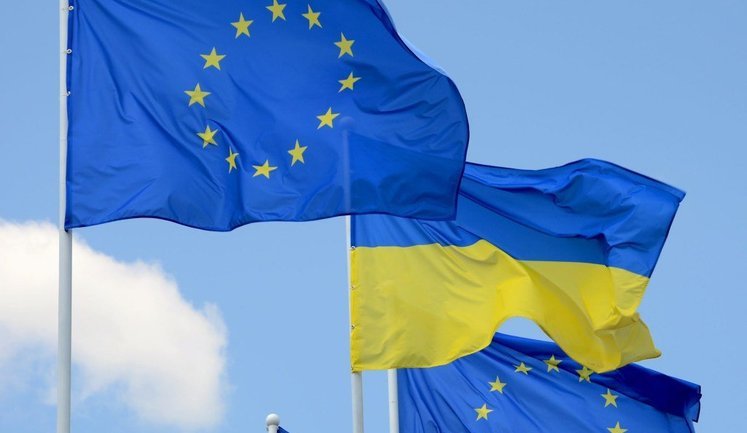
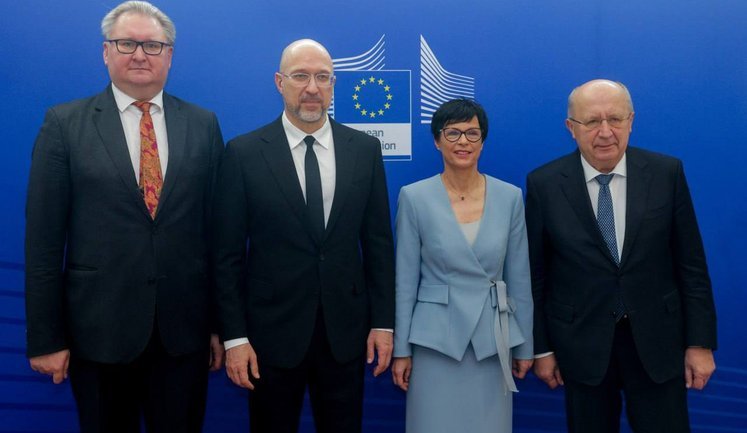
Marta Kos has been vocal about Ukraine’s road to European Union membership, highlighting the necessity for substantial reforms outlined in the "Kachka–Kos plan." Despite challenges, Kos remains committed to enhancing EU-Ukraine relations, emphasizing economic and anti-corruption reforms. While Hungarian politics influence Ukraine's EU trajectory, Kos insists that Ukraine's accession discussions can progress independently, fostering democratic standards. Economic aid remains conditional on successfully implementing complex reforms, crucial for Ukraine’s integration into the EU. The European administration under Kos strives for peace and stability, advocating urgent membership to reposition Ukraine on a path of reform and trust restoration with EU institutions.
What are the main challenges for Ukraine's EU accession according to Marta Kos?
Marta Kos notes that Ukraine faces significant challenges in its EU accession journey, primarily due to the need for extensive reforms in governance and anti-corruption. Additionally, restoring trust with the EU after attacks on judicial independence is crucial. Economic support from the EU, including €90 billion for 2026-2027, is contingent on these reforms, further highlighting their importance. Hungary's political influence and potential vetoes also pose hurdles, although Kos emphasizes technical negotiations can continue without waiting for Hungary's approval.
Why does Marta Kos believe Ukraine should join the EU soon?
European Commissioner Kos argues that Ukraine's accession to the EU is essential for strengthening European security and ensuring political stability in the region. She views the EU as a peaceful project that would benefit from Ukraine's inclusion due to its strategic position. By joining the EU, Ukraine would also obtain a framework for upholding democratic values and furthering reforms, which is vital for its development and alignment with European norms.
What role do reforms play in Ukraine's EU accession according to Kos?
Reforms are pivotal in Ukraine's path to the EU, with Marta Kos highlighting the "Kachka–Kos plan" as a strategy for necessary changes in governance and anti-corruption. The implementation of these reforms is closely monitored by the EU, as they are crucial for building trust and ensuring Ukraine meets the requisite standards for membership. Such reforms are instrumental in aligning Ukraine's legal and institutional frameworks with those of the EU, fostering stability and economic growth.
How does Marta Kos view the trust issues between the EU and Ukraine?
Marta Kos points out that trust issues have arisen from actions perceived as undermining judicial independence, specifically attacks on NABU and SAPO. These incidents have led to EU concerns, highlighting the need for these institutions to function independently and free from political interference. Restoring EU trust involves tangible reforms and accountability measures, which are vital for advancing Ukraine's EU membership negotiations and securing financial support from the EU.
What is Marta Kos's stance on Hungary's influence over Ukraine's EU negotiations?
While Hungary's political maneuvering can affect Ukraine's EU accession timetable, Marta Kos clarifies that technical negotiations for Ukraine's EU membership can commence independently of Hungary’s vetoes. She encourages ongoing discussions to resolve any contentious issues, particularly concerning minority rights, emphasizing that Ukraine's EU accession remains a strategic priority for the European Commission and should not be stalled by individual member states' politics.
What did Marta Kos say about the EU's financial support to Ukraine?
Marta Kos indicated that the EU's financial support to Ukraine, amounting to €90 billion over the 2026-2027 period, is contingent on the country implementing complex reforms. This financial aid is meant to facilitate Ukraine's alignment with EU standards, focusing on policy reforms that promote transparency, efficiency, and adherence to democratic principles. The aid package underscores the EU's commitment to support Ukraine's transformation and integration efforts.
How does Marta Kos view EU measures against Russian actions?
Marta Kos perceives Russian military actions against Ukraine as state terrorism targeting civilian infrastructure. Her comments reflect the EU's strong condemnation of these actions, urging for solidarity with Ukraine. She emphasizes the necessity for the EU to support Ukraine diplomatically and through sanctions, reinforcing Ukraine's resilience and sovereignty while countering Russian aggression effectively. This stance aligns with broader EU security and foreign policy aims.