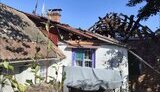
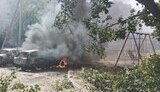
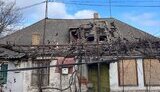
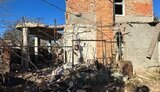
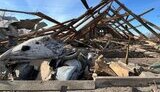
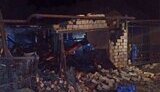
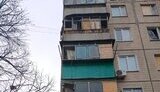
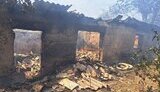
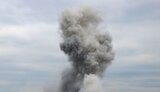
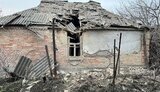
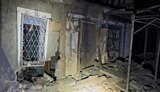
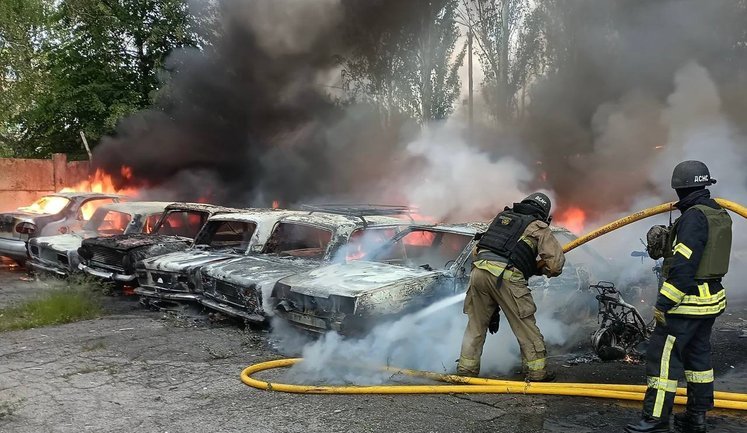
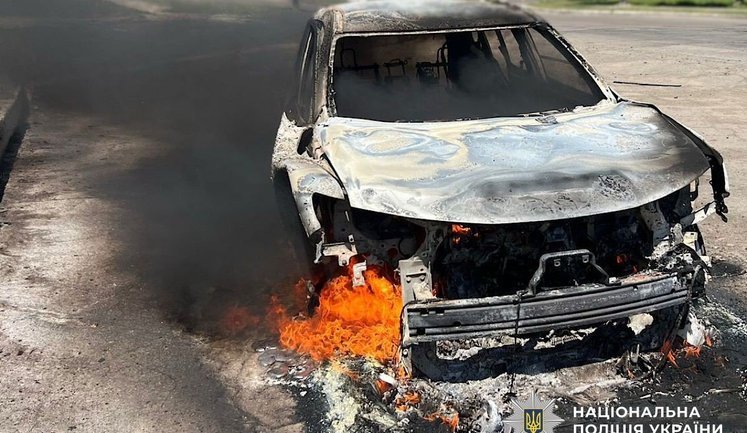
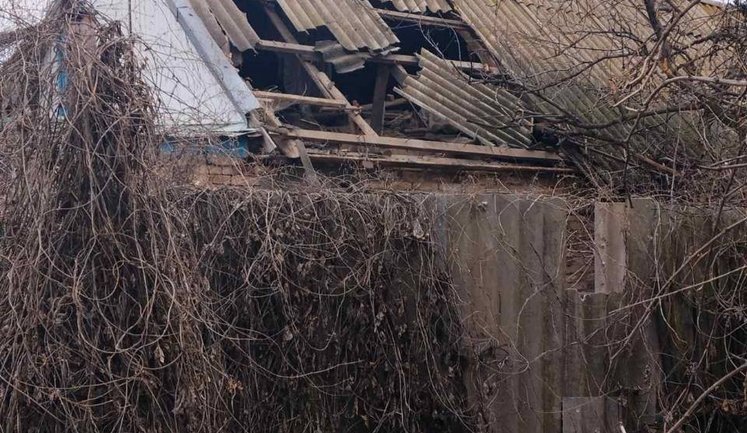
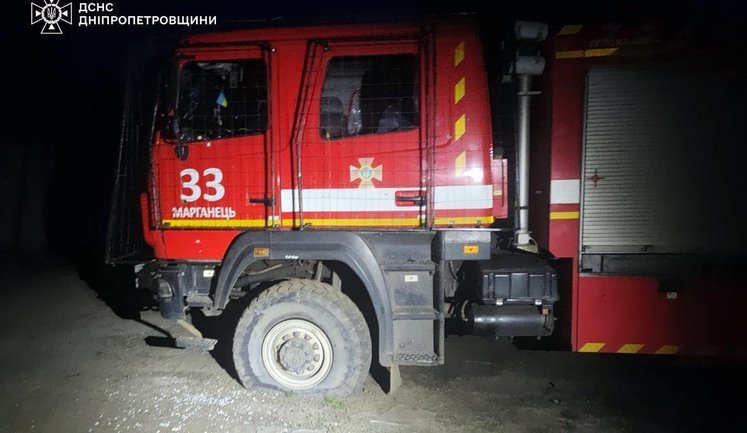
Marhanets, located in the Nikopolskyy district of Dnipropetrovsk region, has been a frequent target of Russian military aggression. The area has been relentlessly attacked with artillery and drones, causing significant destruction and casualties. Recently, a fire and rescue vehicle in Marhanets was struck three times, highlighting the intense pressure faced by civilian services. These consistent attacks have led to multiple casualties, including injuries to firefighters and destruction of critical infrastructure. With such profound impacts, Marhanets remains a focal point of conflict, symbolizing the enduring hardship faced by the residents amid ongoing hostilities in Dnipropetrovsk region.
What recent attacks have occurred in Marhanets, Ukraine?
Recently, Marhanets, located in the Nikopol district of Dnipropetrovsk region, has experienced repeated assaults. Russian artillery and drones targeted the area, with a notable attack on a fire and rescue vehicle. These assaults have caused destruction and impacted local services, emphasizing the ongoing conflict's toll on the community.
How has the Nikopol district been impacted by recent conflict?
The Nikopol district has been severely affected by Russian military actions, with numerous drone and artillery strikes reported. These attacks have led to significant destruction, injuries, and a disruption of essential services. The community continues to grapple with the challenges posed by these ongoing hostilities.
What kind of attacks have occurred in Dnipropetrovsk region recently?
The Dnipropetrovsk region has witnessed multiple aggressive acts, including drone and artillery strikes targeting both civilian and emergency infrastructures. Areas like Marhanets and Synelnykove have been particularly affected, resulting in casualties and damages to homes and services.
Who are the primary targets in the Marhanets region attacks?
In Marhanets, the primary targets of recent Russian attacks appear to be both civilian infrastructure and emergency response units, as evidenced by the damaging strikes on fire and rescue vehicles. This targeting underscores the precarious situation for both residents and emergency services in the region.
What measures are being taken to aid Marhanets amidst these conflicts?
Efforts are underway from local emergency services to help alleviate the impact of attacks on Marhanets. Response units are actively working despite facing direct threats, aiming to manage fires and structural damage while coordinating with regional authorities to aid affected individuals and repair infrastructure.
What is the current situation in the Dnipropetrovsk region due to ongoing attacks?
The ongoing situation in the Dnipropetrovsk region is strained due to repeated Russian military aggression. Significant damage to infrastructure, frequent injuries, and the targeting of emergency services characterize the region's current challenges. These conditions persist amidst international condemnation and local resilience.
How are residents of Marhanets coping with the continuous attacks?
Residents of Marhanets remain resilient despite continuous bombings affecting their daily lives. Community efforts are focused on supporting each other, collaborating with emergency services, and maintaining communication with local authorities to navigate through disruptions and safeguard their homes and families.