The defense landscape in Ukraine is rapidly evolving with significant initiatives. Noteworthy developments include the registration of new defense trademarks by Fire Point and the establishment of new drone production facilities by Ukrainian and Croatian firms. Ukraine and Saudi Arabia have signed vital agreements for defense cooperation, showcasing the strategic alliances being formed. Furthermore, all NATO countries achieved a historic milestone by reaching a defense spending of 2% of GDP. The Ukrainian Armed Forces continue to upgrade their defense strategies, evident in Zelenskyy's approval of a new defense plan structure. These comprehensive efforts signify Ukraine's commitment to bolstering its defense capabilities amid ongoing challenges.
How is Ukraine strengthening its defense sector?
Ukraine is actively enhancing its defense sector by partnering with international allies, launching new defense projects, and registering trademarks for defense technology. Initiatives include partnering with NATO, forming defense cooperation agreements with countries like Saudi Arabia, and engaging in technology collaborations, such as drone production with Croatian firms. These efforts signify a robust approach towards strengthening national defense capabilities.
What are the recent developments in NATO defense spending?
In 2025, all NATO member states achieved a landmark development in defense spending by reaching or exceeding the 2% GDP benchmark. This historic collective action highlights the Alliance's commitment to strengthening defense readiness. The consistent effort to meet this target across all members reflects the strategic emphasis on enhancing military capabilities amid evolving global threats.
What significance does the Ukraine-Saudi defense cooperation hold?
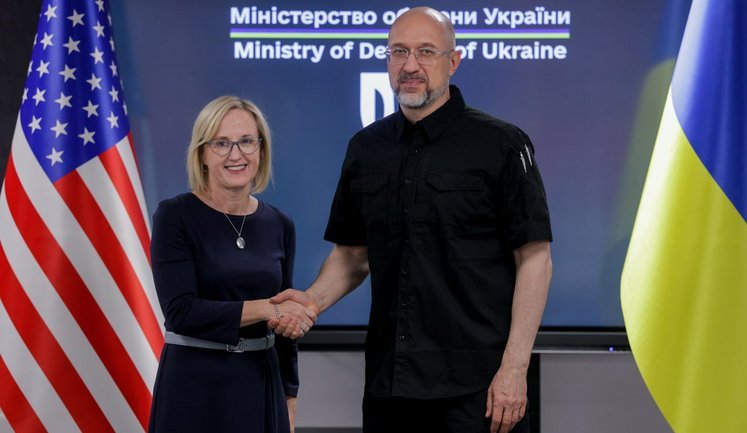
The defense cooperation agreement between Ukraine and Saudi Arabia is a crucial step towards strengthening mutual defense capabilities. This partnership is expected to enhance collaboration in defense technology, training, and strategic initiatives, increasing both countries' defense readiness. Such bilateral agreements are pivotal in diversifying Ukraine's international defense partnerships and accessing new resources and technologies.
Why is drone production crucial for Ukraine's defense strategy?
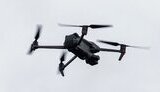
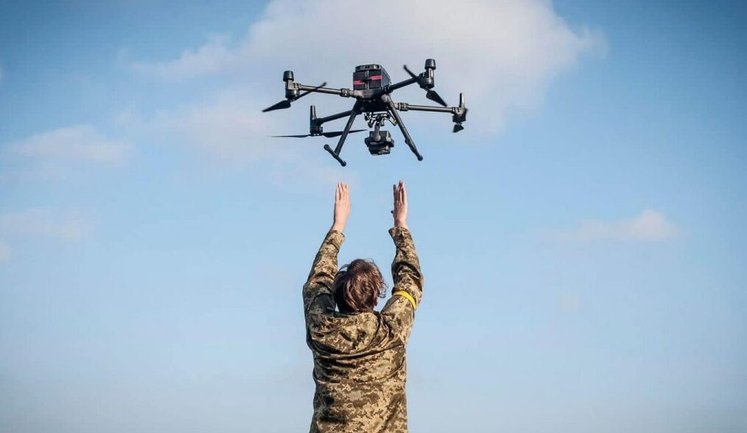
Drone production is a critical element of Ukraine's defense strategy as it bolsters surveillance, reconnaissance, and combat capabilities. By partnering with international allies like Croatian manufacturers for drone component production, Ukraine aims to enhance its technological advancements and operational efficiency. This focus on drone innovation underscores the strategic move towards modern, agile defense solutions.
What impact does increased NATO spending have on global defense dynamics?
The increase in NATO defense spending represents a significant shift in global defense dynamics, reinforcing the collective commitment to security and deterrence. This development is likely to influence geopolitical strategies, maintaining balance and readiness against potential threats. The 2% GDP target not only boosts military capabilities but also signals a unified approach to shared security challenges.