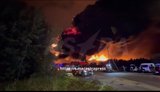
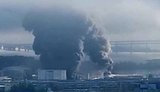
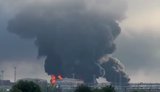
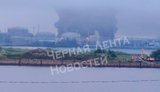
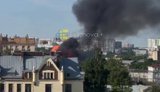
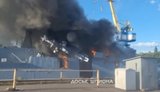
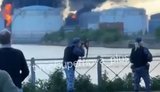
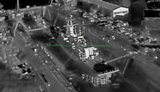
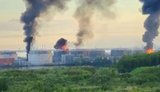
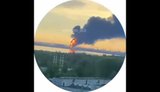
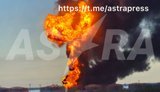
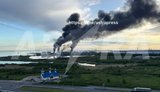
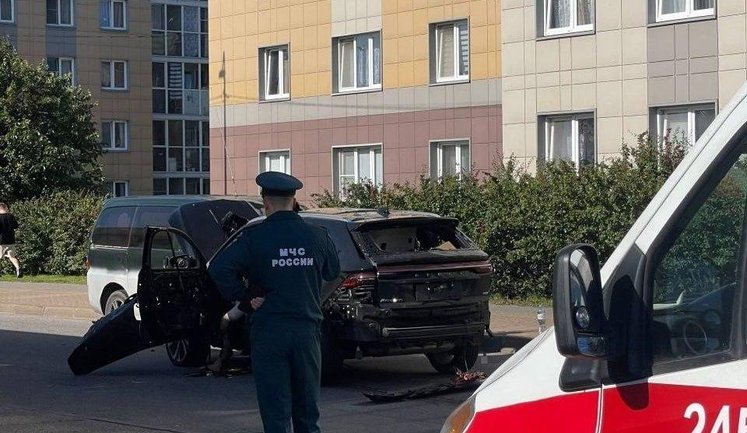
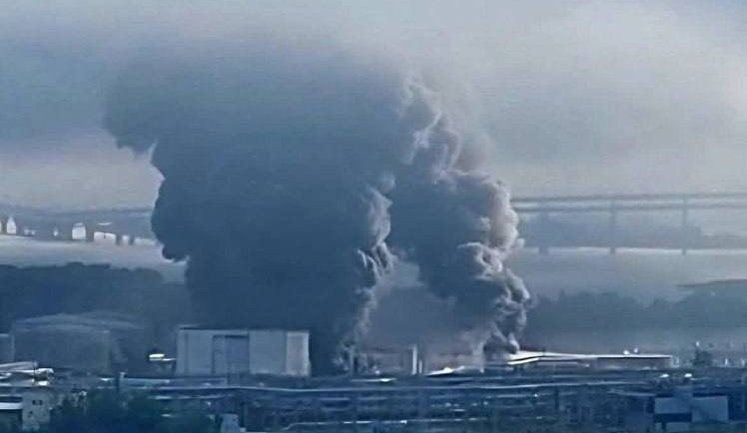
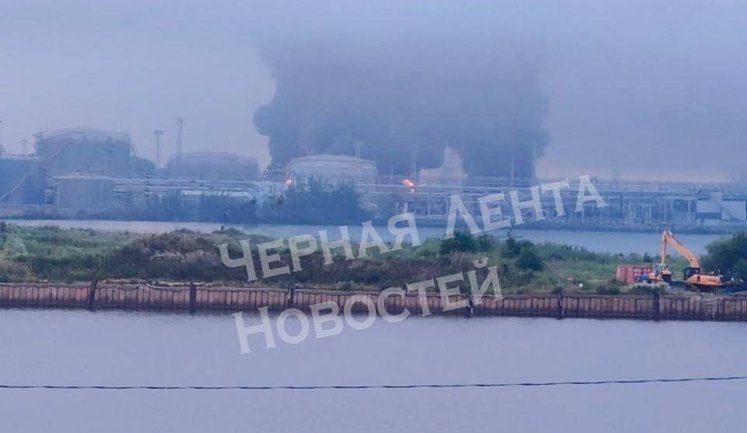
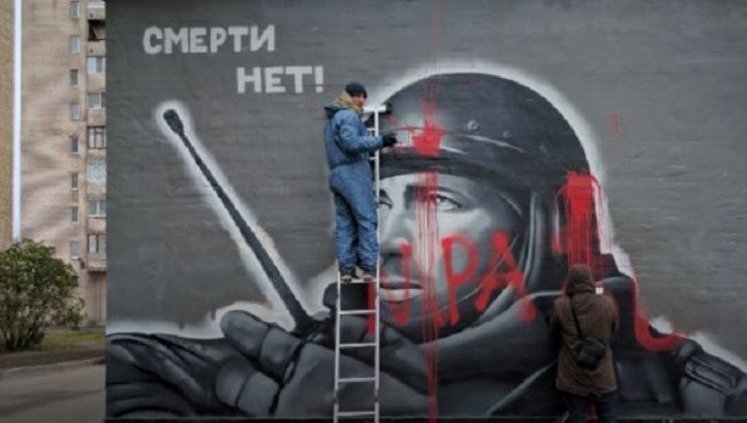
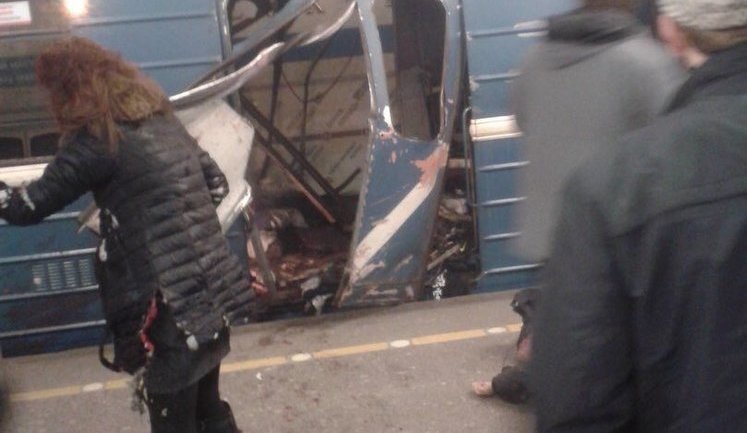
St. Petersburg has been the focal point of several significant events in 2026, notably involving drone attacks and military strikes targeting critical infrastructures such as the St. Petersburg oil terminal and related military assets. Ukrainian Defense Forces have strategically utilized UAVs to target these sites, with substantial fires reported post-strikes. The effectiveness of these operations was mirrored in the inability of Russian air defenses to ward off such incursions. As Ukraine aims to decrease the military capacity of Russia, these incidents underscore escalating tensions and the tactical advancements in modern warfare, highlighting the geopolitical significance of such actions within the broader context of the ongoing conflict.
What are the recent developments in St. Petersburg related to military strikes?
Recent developments in St. Petersburg involve a series of targeted drone strikes on key infrastructures including the oil terminal and military installations operated by Ukrainian forces. These incidents have caused significant damage, leading to fires and compromises in Russian military capabilities in the region. The strikes reflect ongoing regional tensions and Ukraine's strategic operations against Russian aggression.
How has the St. Petersburg oil terminal been affected by recent events?
The St. Petersburg oil terminal has experienced multiple drone attacks leading to fires and reported explosions. These targeted strikes are part of Ukraine's broader military strategy to hinder Russian economic and military activities by disrupting vital logistics and infrastructure facilities. The impact has been substantial, reflecting ongoing conflict dynamics.
What role did Ukrainian UAVs play in recent St. Petersburg incidents?
Ukrainian UAVs have been pivotal to recent attacks in St. Petersburg, showcasing advanced warfare tactics. These drones successfully bypassed Russian defenses, resulting in strikes on key military and economic targets. This strategic employment of UAV technology underscores Ukraine's approach to countering Russian military assets in the current conflict.
What has been the Russian military response to these strikes in St. Petersburg?
The Russian military has struggled to respond effectively to these strikes, with limited success in intercepting UAVs. Efforts included utilizing automatic firearms in attempts to shoot down drones, but these measures have often fallen short. This highlights weaknesses in Russian air defense capabilities in dealing with unconventional aerial threats.
What are the implications of the St. Petersburg strikes for Russia's military parade and infrastructure?
The strikes in St. Petersburg have resulted in significant disruptions to Russian military events, including the potential cancellation of the annual naval parade. The damage to military infrastructure also signals strategic vulnerabilities and impacts national morale and logistic capabilities, accentuating the severity of Ukraine's tactical initiatives against Russian dominance.
How has the international community reacted to the St. Petersburg events?
The international community closely monitors the developments in St. Petersburg, viewing them as critical in the ongoing Ukraine-Russia conflict. These incidents underscore the conflict's escalation and highlight the need for diplomatic interventions to address the rising tensions and prevent further destabilization in the region.