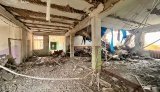
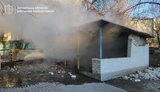
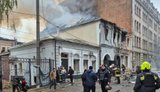
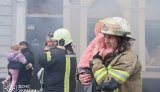
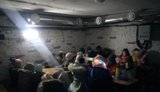
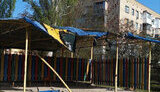
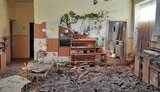
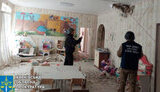
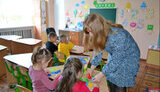
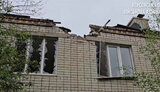
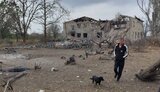
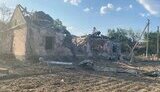
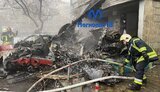
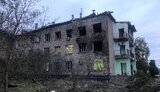
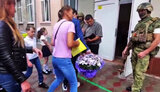
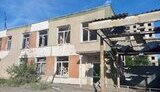
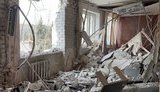
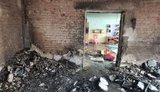
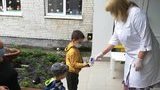
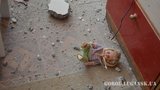
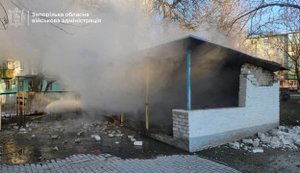
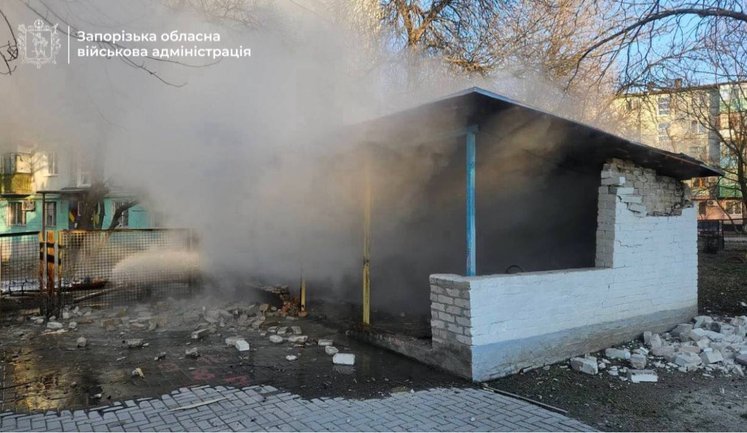
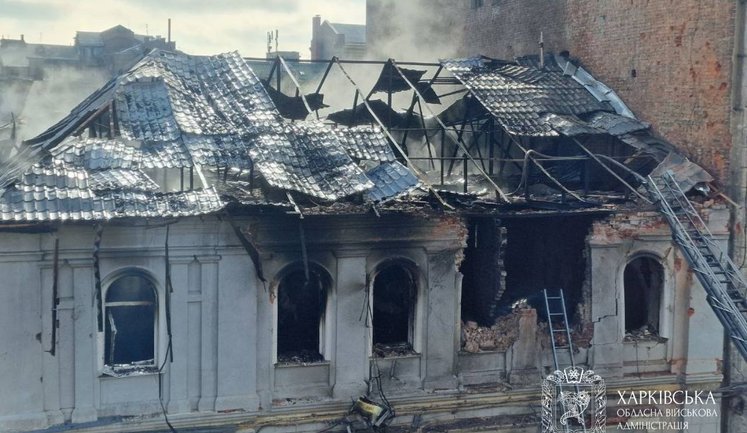
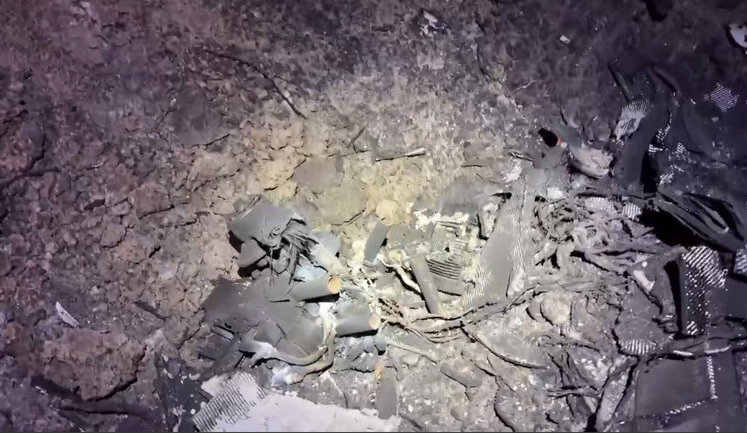
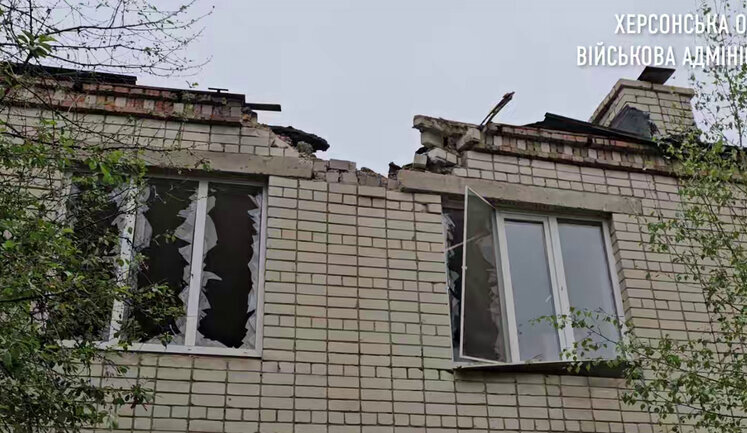
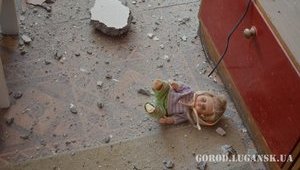
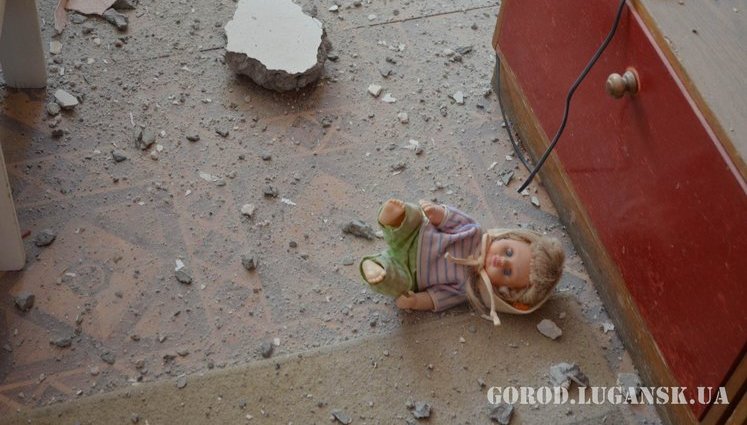
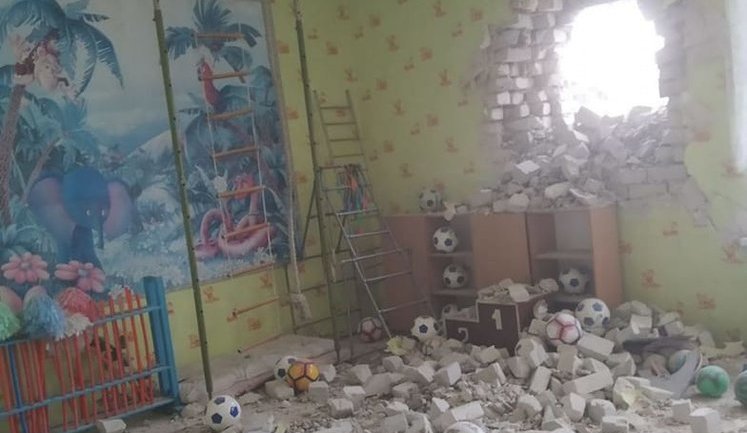
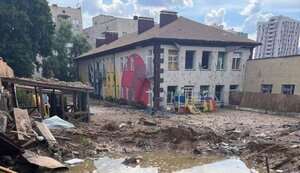
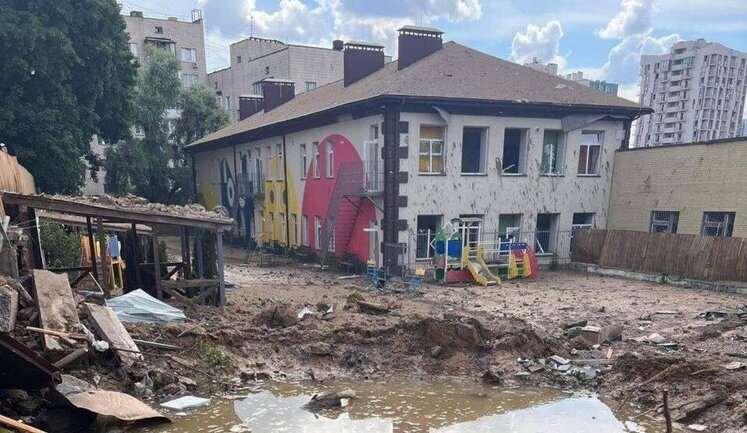
Amidst the ongoing conflict in Ukraine, kindergartens have become both symbols of fragility and resilience. Recent developments highlight the vulnerability of these institutions, with multiple facilities in regions such as Kharkiv and Kherson suffering damage from Russian strikes. In response, Ukraine has introduced a rapid alert system to combat truancy, ensuring educators and law enforcement can quickly respond when children are absent. Reports reveal kindergartens operating as Points of Invincibility, managing both emergency conditions and educational needs. These efforts underscore the ongoing challenges in maintaining educational environments under siege and the innovative steps taken to safeguard the welfare of children.
What is the significance of kindergartens in the conflict zones of Ukraine?
Kindergartens in conflict zones of Ukraine highlight the critical challenge of ensuring children's safety amidst ongoing military aggression. They often suffer damage from strikes, putting young lives at risk and emphasizing the need for comprehensive protective measures. Efforts such as creating Points of Invincibility showcase the resilience and determination to provide safe educational environments despite the adversities faced in regions like Kharkiv and Kherson.
How is Ukraine addressing school and kindergarten truancy during the conflict?
Ukraine has implemented a rapid alert system to address truancy effectively, particularly in conflict-affected areas. This system ensures immediate collaboration between educators and law enforcement when children are missing from school or kindergarten, allowing for swift action to ensure their safety. The initiative highlights a proactive approach to maintaining educational engagement and protecting vulnerable populations during ongoing hostilities.
What role do educators play in kindergartens during conflicts in Ukraine?
Educators in kindergartens during conflicts in Ukraine play a crucial role in maintaining a semblance of normalcy and safety for young children. They are tasked with the immense responsibility of ensuring the well-being of children under increasingly challenging conditions, such as organizing shelters and participating in emergency response initiatives. Their dedication is pivotal in managing educational and emotional needs amid ongoing disruptions and threats.
How are kindergartens coping with infrastructure damages in Ukraine?
Kindergartens in Ukraine are facing significant infrastructure challenges due to repeated attacks and damages. Responses include utilizing alternative spaces like Points of Invincibility, which are equipped to operate under emergency conditions, providing shelter, and continuing educational activities. Authorities focus on rapid damage assessments and repairs to minimize disruptions while ensuring children's safety and continuity in learning.
What measures are in place to safeguard children in Ukrainian kindergartens?
To safeguard children in Ukrainian kindergartens amidst conflict, measures include implementing truancy alert systems, establishing Points of Invincibility, and enhancing collaboration between educators and law enforcement. These strategies aim to ensure swift responses to emergencies, minimize risks associated with military attacks, and provide secure shelter for children and staff, underscoring a commitment to resilience in adverse situations.