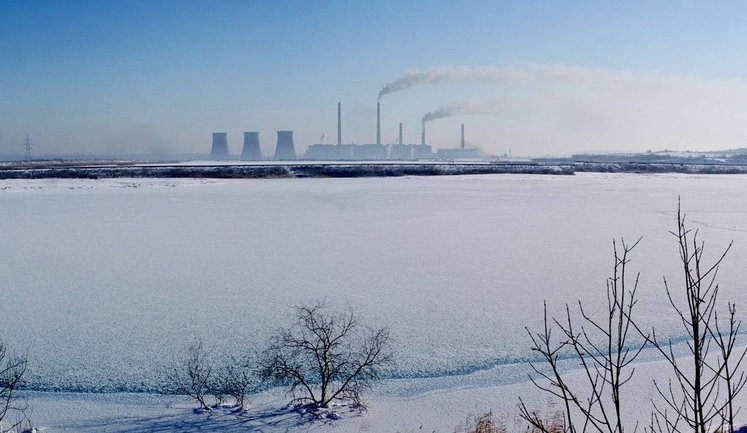
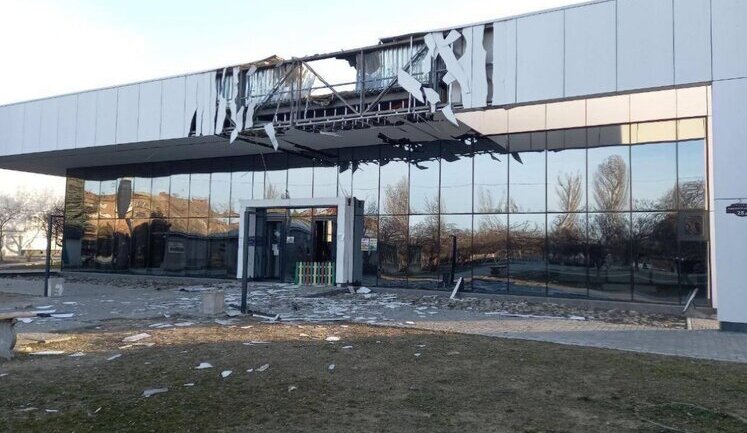
The National Resistance Center (NRC) has reported a severe fuel crisis in the temporarily occupied territories, which poses a significant threat to the operation of the Zaporizhzhia Nuclear Power Plant (NPP). The plant relies on diesel generators for its cooling systems, and the lack of fuel jeopardizes their functionality. This crisis highlights the broader humanitarian and infrastructural challenges in these regions. Additionally, the NRC has noted the escalating pressure on local residents through enforced military drafts, property evictions, and limited access to basic resources. These measures are part of a wider strategy by occupation forces to consolidate control. Such developments underscore the ongoing humanitarian crisis unfolding in these areas.
What is causing the fuel crisis in the occupied territories?
The fuel crisis in the occupied territories is primarily due to supply chain disruptions and control measures imposed by occupying forces. Access to essential resources like diesel fuel is restricted, which severely affects crucial infrastructures like the Zaporizhzhia NPP. The situation is exacerbated by strategic blockades and logistical challenges that further hinder regular fuel deliveries.
How is the fuel crisis affecting the Zaporizhzhia Nuclear Power Plant?
The fuel crisis significantly impacts the Zaporizhzhia Nuclear Power Plant as it relies on diesel generators for its cooling systems. A disruption in fuel supply could lead to operational failures, posing serious risks to nuclear safety. This underscores the critical need for stable energy resources to maintain safety standards at the plant.
What other challenges are residents in the occupied territories facing?
Residents face multiple challenges including enforced military drafts, property evictions under false legal pretenses, scarce water supplies, and restricted access to healthcare. These measures contribute to a deteriorating humanitarian situation marked by economic deprivation and social instability, heavily impacting daily life.
How is the NRC responding to these issues?
The National Resistance Center actively reports on and raises awareness about the challenges faced by residents in occupied territories. By documenting events like the fuel crisis, enforced military conscriptions, and property seizures, the NRC aims to highlight the adverse conditions imposed by occupation forces, hoping to prompt international attention and action.
What international actions are being taken regarding the crises in the occupied territories?
International actions include diplomatic condemnations and calls for humanitarian intervention to address the crises in these regions. Sanctions and pressure on occupying authorities are typical responses, alongside advocacy for human rights and the protection of civilians in these territories. However, tangible results on the ground often remain limited.
What long-term impacts can be expected from the current situation in occupied areas?
Long-term impacts include potential ecological and infrastructural damage, with social ramifications such as population displacement and economic downturn. The persistent enforcement of restrictive policies may lead to further destabilization of the region, challenging the prospects for restoration and peace in the future.