ENG




8701 visitors online
In recent developments, diplomatic tensions have escalated significantly between Russia and various European nations, including Ukraine. Ukraine's railway system, "Ukrzaliznytsia," disclosed that a Russian drone likely targeted a diplomatic train near Yahodyn, close to the Polish border. Meanwhile, Poland pushes for a reduction in Russian diplomats across the EU, suspecting many serve Russian intelligence. Aligning with this, the Ukrainian Foreign Minister presented crisis-response measures to Poland, aiming to better bilateral ties. Concurrently, Russia has cautioned diplomats in Kyiv about potential strikes, indicating a continuation of its aggressive stance. These incidents underscore the complex diplomatic landscape in Eastern Europe where espionage, political maneuvers, and security concerns intertwine.
What measures is Poland taking against Russian diplomats?
Poland aims to reduce the number of Russian diplomats within the EU, suspecting that 40% might be spies. This is part of broader measures to restrict Russian intelligence activities in Europe.
How is Ukraine responding to Russian military actions?
Ukraine has revealed aggressive acts by Russia, such as targeting locomotives near Poland. It consults with allies, including Poland, to safeguard sovereignty and improve diplomatic ties amidst ongoing conflicts.
Has the Kremlin issued any warnings to diplomatic missions?
The Kremlin has warned diplomatic missions in Kyiv about potential strikes, reflecting the tense and dangerous situation in the region. Not all missions have taken the warnings seriously, showing varied perceptions of the threat level.
Why did Ukraine expel Hungarian diplomats?
Ukraine expelled two Hungarian diplomats as a response to Hungary's suspected espionage activities under diplomatic cover, intensifying military and political tensions in the region.
How have foreign diplomats been involved in Ukrainian crisis-related events?
Foreign diplomats have visited attack sites in Kyiv, expressing solidarity with Ukraine. These visits highlight international concern and diplomatic efforts to address the humanitarian impact of ongoing attacks.
News diplomats
 US will decide for itself whether its embassy is safe in Kyiv despite Russian threats – Rubio US Secretary of State Marco Rubio said the United States would decide for itself whether it was safe for its embassy to remain in Kyiv, commenting on Russia’s call for foreign diplomats to leave the Ukrainian capital. 2 318 7 Previously in trend: Closing of US embassies Putin’s threats
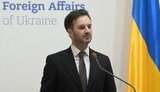 Ukraine’s Foreign Ministry denies possible plans to relocate Western embassies from Kyiv Foreign partners have not informed Ukraine of any plans to relocate their embassies from Kyiv to Lviv or Poland. 2 368 11 Previously in trend: Shelling of Kyiv
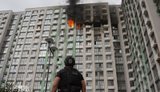 West prepares plans to evacuate its embassies from Kyiv in case of targeted Russian attacks – media Western countries are preparing contingency plans to relocate their embassies from Kyiv to Lviv or eastern Poland if Russia begins deliberately targeting foreign diplomatic missions in the capital. 3 067 18 Previously in trend: Shelling of Kyiv
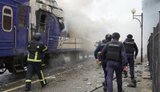 "UZ" on attack on locomotive in Yahodyn: diplomatic train may have been target of Russian drone "Ukrzaliznytsia" has revealed details of the Russian Federation’s attack on a locomotive in Yahodyn, near the border with Poland, on the morning of 13 September. 3 620 9 Previously in trend: Shelling of Ukrzaliznytsia facilities
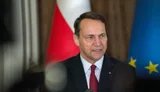 Poland wants to restrict movement and reduce number of Russian diplomats in EU There are more than 2,000 Russian diplomats in EU countries. Poland believes that at least 40% of them may be working for Russian intelligence agencies. 1 106 8 Previously in trend: Skripal's poisoning
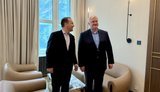 Sybiha offers Poland "package of crisis-response steps" to improve relations with Ukraine Ukrainian Foreign Minister Andrii Sybiha held talks with Polish Foreign Minister Radosław Sikorski during an official visit to Warsaw. The Ukrainian side presented a set of crisis-response measures between the two neighboring countries. 4 354 31 Previously in trend: Poland and Ukraine relationship
 Kremlin warns diplomats about strikes on Kyiv Diplomatic missions in Kyiv received warnings from Russia, but not all of them took them seriously. 5 500 19 Previously in trend: Putin’s threats
 European ambassadors were shown Western details in missiles used by Russian Federation to hit Kyiv Ukrainian authorities showed European ambassadors foreign components found in Russian missiles and drones following the Russian Federation’s massive attack on the night of May 24. 1 800 10 Previously in trend: Russian missile manufacturing
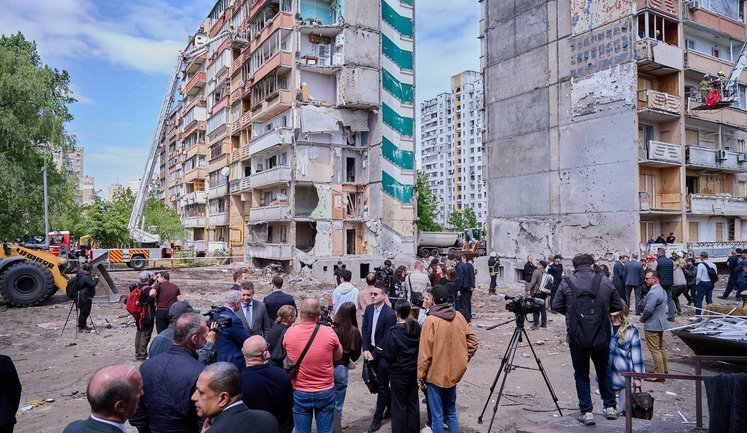
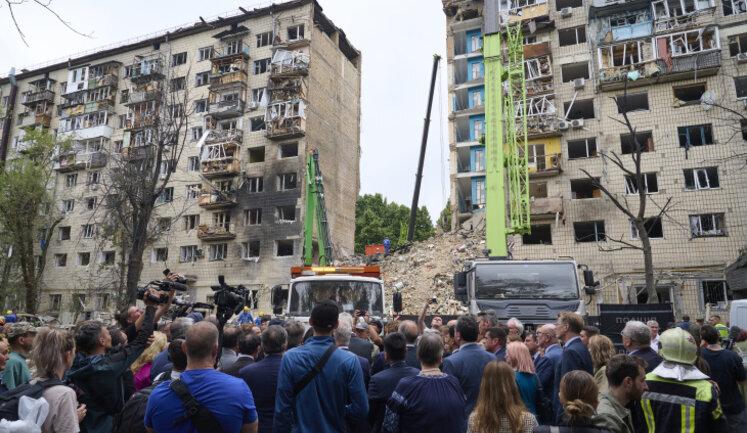
 Foreign diplomats were shown residential building in Kyiv destroyed by Russian missile strike. PHOTOS On May 15, more than 60 heads of diplomatic missions of foreign states and international organizations accredited in Ukraine visited the site where a Russian missile hit a nine-story residential building in Kyiv’s Darnytskyi District. The participants honored the memory of those killed with a... 5 213 60 Previously in trend: Massive combined attack
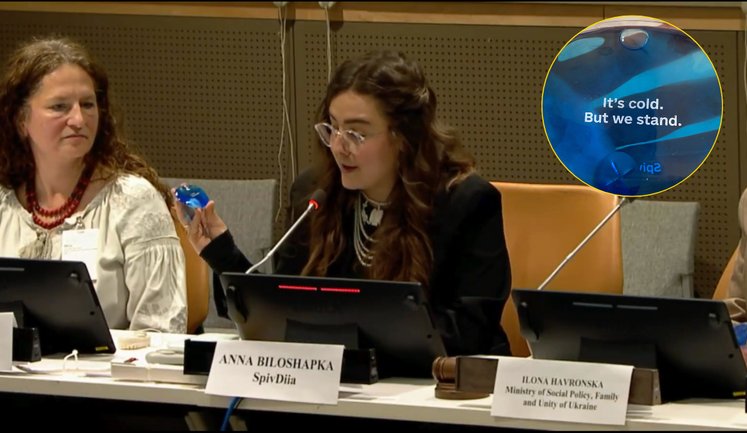
 Hand warmer as symbol of survival: UN diplomats reminded of Ukrainians suffering from aftermath of Russian attacks on energy infrastructure. VIDEO&PHOTOS Participants in a special event held as part of the 64th session of the UN Commission for Social Development in New York received a gift from the Ukrainian side, small hand warmers bearing the inscription "It’s cold. But we stand". In this way, diplomats were reminded of Ukrainians who are... 5 109 33 Previously in trend: Attacks on the energy sector
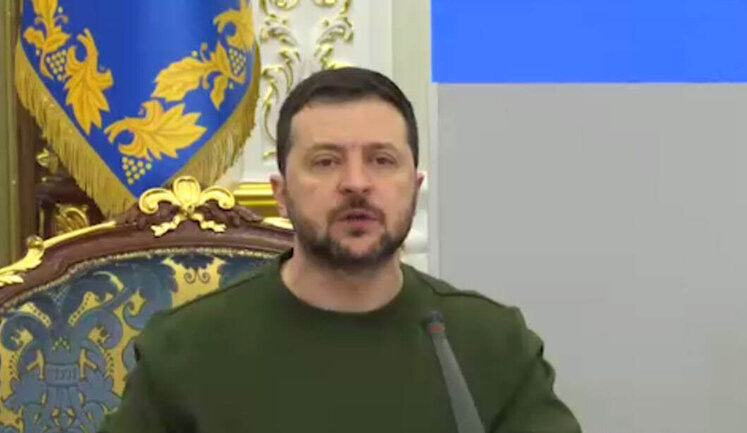
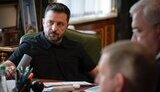 Zelenskyy holds meeting with Ukrainian diplomats: Ambassador conference scheduled for next week President of Ukraine Volodymyr Zelenskyy held a meeting with Ukrainian diplomats, teams from the Ministry of Foreign Affairs of Ukraine and the Office of the President. 826 9 Previously in trend: Zelenskyy meeting with Ukrainian diplomats
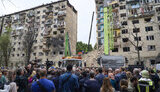 Foreign diplomats visit site of Russian strike on residential building in Kyiv. PHOTOS Representatives of over 60 foreign diplomatic missions visit site of Russian missile strike in Kyiv’s Solomianskyi district 6 451 19 Previously in trend: Massive rocket attack Shelling of Kyiv
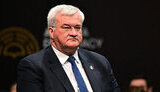 Ukraine expels two Hungarian diplomats in response to Hungary’s actions – Sybiha Ukraine has declared two Hungarian diplomats in Kyiv persona non grata and ordered them to leave the country within 48 hours. The move comes in response to Budapest’s actions involving "espionage under diplomatic cover." 5 629 22 Previously in trend: Exposure of Hungarian intelligence spy network Expulsion of Hungarian diplomats
 Zelenskyy and diplomats from over 50 countries jointly honored memory of those killed in Russian attack on Kyiv. PHOTOS President of Ukraine Volodymyr Zelenskyy, along with foreign diplomats and representatives of international organizations, honored the memory of the 12 victims killed by Russia’s ballistic strike on Kyiv’s Sviatoshynskyi District on April 24. 2 882 8 Previously in trend: Missile attack on Kyiv
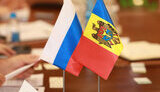 Moldova expels three Russian diplomats from country The Ministry of Foreign Affairs of Moldova has announced the expulsion of three employees of the Russian Embassy from the country. 1 995 8
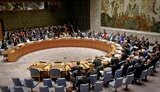 Our support for Ukraine is unwavering - dozens of diplomats leave UN Human Rights Council hall during Russia’s speech Dozens of delegates left the session hall of the UN Human Rights Council during Russia's speech. In this way, they expressed support for Ukraine. 7 904 20
 Norwegian diplomats were in area of shelling in Odesa, - Ministry of Foreign Affairs The Norwegian Ministry of Foreign Affairs confirmed that Norwegian embassy staff came under fire in Odesa on the evening of January 31. 1 937 4
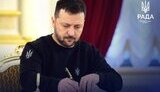 Zelenskyy confer diplomatic rank to Vitushok, Chief of Staff of OP President of Ukraine Volodymyr Zelenskyy has conferred the diplomatic rank of Ambassador Extraordinary and Plenipotentiary on the Chief of Staff of the Presidential Administration Mariia Vitushok. 3 445 25
 Huge number of diplomatic posts has become political currency, which OP is perfectly able to pay with - Zhelezniak Amid the dismissal of Ukrainian diplomats in a number of countries and Ukraine's representatives in international organisations, MP Yaroslav Zhelezniak said that diplomatic posts in Ukraine have become a bargaining chip for the authorities. 15 570 42
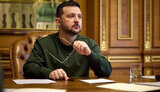 Zelenskyy dismisses UN envoy Kyslytsia and Ukraine’s ambassadors to number of countries (updated) On December 21, President Volodymyr Zelenskyy dismissed Ukrainian diplomats in a number of countries and Ukraine's representatives to international organizations. The head of state signed decrees appointing new ambassadors. 13 872 76
 British and Polish embassies in Kyiv remain open The British and Polish embassies, as well as the EU delegation, continue to work in Kyiv. 1 991 9 Previously in trend: War
 Canada reduces number of diplomats in Russia to 12 The number of Canada's diplomatic corps in Russia has now been reduced to the minimum acceptable level. 1 009 1
 More than 30 heads of foreign diplomatic missions visited site of attack on Okhmatdyt, - Foreign Ministry The Ministry of Foreign Affairs of Ukraine organised a visit by more than 30 heads of foreign diplomatic missions to the site of the missile attack on Okhmatdyt. 6 698 8
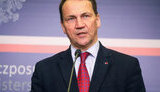 Poland restricts movement of Russian diplomats around country, - Sikorski Poland introduces restrictions on the movement of Russian diplomats on the territory of the country. The corresponding restriction will apply to all Russian diplomats, except the ambassador of the Russian Federation. Warsaw took this step because of Russia’s participation in the hybrid war against the European Union and Poland. 2 269 12
 Western ambassadors joined flash mob in support of Vivat publishing house, whose printing-office was attacked by occupiers in Kharkiv. PHOTO The ambassadors of the United Kingdom and Germany did not stand aside from the Ukrainian flash mob in support of the Vivat publishing house, which was damaged by Russian strikes on Kharkiv on Thursday, 23 May. 4 111 8
 Zelenskyy met with foreign diplomats and spoke about Ukraine’s international priorities. VIDEO The President held a meeting with diplomats, representatives of states and international organisations, during which he spoke about the priority directions of Ukraine’s international activity in 2024. 2 181 31
 Diplomats will provide reliable international rear for Ukrainian army in 2024, - Kuleba On Diplomatic Service Day, Ukraine’s Foreign Minister said that diplomats will provide a reliable international rear for the Ukrainian army and the Ukrainian people in 2024, emphasizing that this year Ukraine has proven that nothing is impossible for it. 1 563 30 Previously in trend: Russian aggression against Ukraine War
 Hungary is against the Czech initiative to restrict the movement of Russian diplomats in the EU: It contradicts our principles In Hungary, against the proposal of the Czech Republic to limit the movement of Russian diplomats in the Schengen zone. 2 100 31
 Ministry of Foreign Affairs of Russia has restricted movement of British diplomats on territory of Russian Federation On Thursday, the Russian Foreign Ministry announced restrictions on the movement of employees of British diplomatic missions through the territory of the Russian Federation. 2 780 24
 Zelenskyy accepts credentials from ambassadors of Norway, Switzerland, Azerbaijan, Pakistan and Iceland. VIDEO On 21 June, President of Ukraine Volodymyr Zelenskyy accepted credentials from ambassadors of five countries. 2 152 2
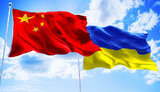 Chinese Embassy clarified details of "peace plan" China is ready to continue making efforts together with the international community to promote a political settlement of the "Ukrainian crisis" based on respect for the sovereignty and territorial integrity of all states in accordance with the principles of the UN Charter. 32 757 101
 Chisinau expels Russian diplomat after debris of Russian rocket fell on territory of Moldova On Monday, the Ministry of Foreign Affairs of Moldova declared an employee of the Russian embassy persona non grata. 16 166 72
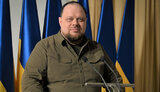 Stefanchuk asks Austria to deport Russian ambassador for his appeal to liquidate Ukrainians The Chairman of the Verkhovna Rada of Ukraine Ruslan Stefanchuk appealed to the Federal President of Austria Alexander van der Bellen and Chancellor Carl Neghammer with the demand to recognize the Permanent Representative of the Russian Federation to international organizations in Vienna Mykhail Ulyanov as persona non grata and to deport him to Russia. 3 749 20 Previously in trend: War
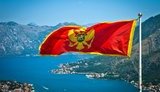 Montenegro expels Russian diplomat from country, - Ministry of Foreign Affairs of Montenegro The Montenegrin government decided to expel the Russian diplomat, he was given time to leave the country. 4 338 11 Previously in trend: Russian agression
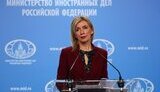 Russia accuses US of "deliberate destruction of bilateral relations" Russian Foreign Ministry spokeswoman Zakharova commented on the obstacles to the removal of employees of Russian foreign institutions. 7 405 39
 Russia is sending 34 French diplomats Today, May 18, the Russian Foreign Ministry summoned French Ambassador Pierre Levy, who told him that in response to the actions of the authorities 34 employees of French diplomatic missions in Russia were declared persona non grata, they must leave the country within two weeks. 4 636 24
 Biden nominated Bridget Brink as US Ambassador to Ukraine US President Joe Biden has nominated US Ambassador to Slovakia Bridget A. Brink as head of the US Embassy in Ukraine. 5 288 11
 Croatia deports 24 Russian embassy staff The Croatian Ministry of Foreign Affairs has announced that it is deporting 18 diplomats from the Russian Embassy in Zagreb. Also, six employees of administrative and technical staff will leave the country together with them. 1 855 5 Previously in trend: Russian aggression against Ukraine War
 Austria deports four Russian diplomats Austrian authorities have decided to recognize four non-grata persons diplomats of the Russian Federation, they must leave Austrian territory no later than April 12 1 953 15
 Russia evacuates diplomats from Ukraine The Russian Federation has decided to deport its diplomatic staff from Ukraine. The Russian embassy in Kyiv said the evacuation had already begun. 19 789 81
 Germany, USA, Australia and Great Britain announced departure of diplomats families The EU, OSCE, CoE, NATO and the UN have not expressed any intention to take such steps. 7 753 61
 Two Ukrainian diplomats recalled from Poland on suspicion of corruption Ukrainian Foreign Minister Dmytro Kuleba has recalled from abroad two employees of the Ukrainian Embassy in Poland who are suspected of corruption. 17 325 63
 Ukraine’s ambassador summoned to Foreign Ministry of Hungary Ambassador of Ukraine to Hungary Liubov Nepop has been summoned to the Ministry of Foreign Affairs and Trade on Tuesday after Hungary’s ministerial commissioner István Grezsa had been denied entry to Ukraine on November 24. 2 929 29
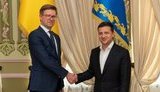 Zelenskyi receives credentials from ambassadors of European states. PHOTOS Ukrainian President Volodymyr Zelenskyi received credentials from the ambassadors of Estonia, France, Austria, the Netherlands and the United Kingdom. 3 439 97
 Zelenskyi deprives Ariev, Herasymov of diplomatic ranks President of Ukraine Volodymyr Zelenskyi deprived Volodymyr Ariev and Artur Herasymov of the highest diplomatic ranks, which were conferred to them by the former President of Ukraine Petro Poroshenko. 16 363 141
 Zelenskyi dismisses Valerii Chalyi from post of Ukraine's envoy to US President of Ukraine Volodymyr Zelenskyi has dismissed Valerii Chalyi from the post of Ukraine's Ambassador to the US, as well as from the post of Ukrainian Ambassador to Antigua and Barbuda and Trinidad and Tobago, which he held part-time. 17 331 156
 Zelenskyi replaces 12 Ukrainian ambassadors Ukrainian President Volodymyr Zelenskyi has initiated the start of diplomatic corps reshuffles and announced the replacement of 12 Ukrainian ambassadors around the world. 18 810 310
 Ukraine, in fact, has no diplomatic relations with Russia, - Klimkin Ukraine does not actually maintain diplomatic relations with Russia, and existing contacts are reduced to the absolute minimum. 1 390 20
Page 1 of 2
more news