ENG




13107 visitors online
Bucha, a town in the Kyyivska region, faces new terror as a 21-year-old local is charged in connection with attacks involving Russian intelligence. The suspect was promised 25,000 hryvnias per explosion. The recent incidents recall the grim history of violence in the area. During the 2022 Russian occupation, over 1700 civilians were killed in the Buchanskyy district, with subsequent investigations solving many crimes. The past atrocities underscore the persistent threat and ongoing investigations by Ukrainian authorities to bring justice for wartime crimes. Notable figures like President Zelenskyy and international delegations continue to commemorate Bucha’s victims and call for accountability. The saga of Bucha remains a poignant symbol of resilience and a focal point in Ukraine's struggle for justice and sovereignty.
What were the charges against the 21-year-old in Bucha?
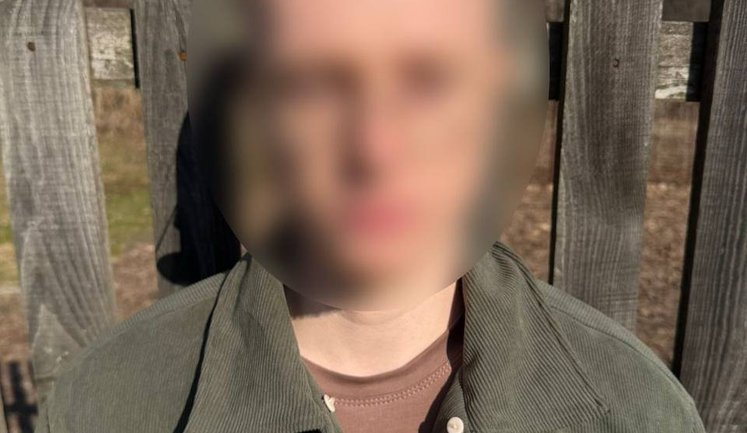
The 21-year-old resident of Bucha has been charged with committing a terrorist act. According to the investigation, the individual was involved in explosions in partnership with Russian intelligence operations and was promised monetary rewards for these acts.
What involvement did Russian intelligence have in Bucha's recent attacks?
Russian intelligence promised a monetary reward of 25,000 hryvnias for each explosion linked to the attacks in Bucha. This involvement highlights ongoing Russian interference and influence in the region's security challenges.
How does the recent Bucha attack relate to past atrocities in the region?
The recent terrorist attack in Bucha brings back memories of the mass killings during the Russian occupation in 2022, where over 1700 civilians were murdered. Such incidents show that Bucha continues to be a location of significant violence and trauma due to conflicts and occupations.
What was President Zelenskyy’s response to the Bucha events?
President Zelenskyy, along with international delegations, has consistently honored the victims of Bucha. He has emphasized the need for justice and recognized Bucha as a symbol of the grievous impact of Russian aggression. Zelenskyy’s administration is actively pursuing accountability for war crimes.
What investigations are currently ongoing in the Bucha region?
Numerous investigations are ongoing in Bucha related to crimes committed during the Russian occupation, including murders of civilians and acts of terrorism. Ukrainian authorities have succeeded in identifying and charging various Russian servicemen involved in these atrocities, advancing efforts for international justice.
Why is Bucha significant in the context of Ukraine's conflict with Russia?
Bucha is significant due to the extreme acts of violence it endured during the Russian occupation, representing the brutal nature of the conflict. It remains a symbol of Ukrainian resilience and a core focus in international discussions about war crimes and the pursuit of justice against Russian aggression.
News Bucha, Buchanska TC, Buchanskyy district, Kyyivska region
 Terrorist attack in Bucha: 21-year-old local resident charged. PHOTOS A 21-year-old resident of Bucha has been charged with committing a terrorist act (Part 2 of Article 258 of the Criminal Code of Ukraine). 2 531 5 Previously in trend: Terrorist attacks in Ukraine
 Perpetrator of terrorist attack in Bucha was promised 25,000 hryvnias for each explosion, - police Law enforcement authorities identified and detained a suspect believed to be involved in the explosions in Bucha less than two hours after the incident. According to the investigation, Russian intelligence services promised him a reward of 25,000 hryvnias for each explosion. 2 983 10 Previously in trend: Terrorist attacks in Ukraine
 Terrorist attack in Bucha: Two explosions rock city, law enforcement officers injured. VIDEO This morning, March 23, an unknown object exploded near an apartment building in Bucha. 8 821 33 Previously in trend: Explosion in Kyiv region
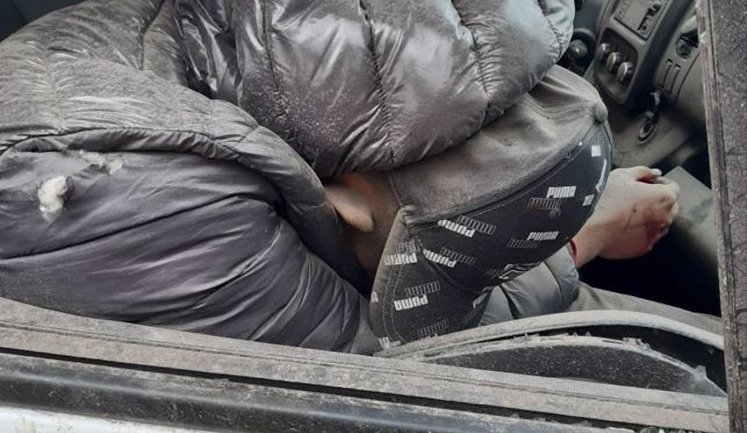
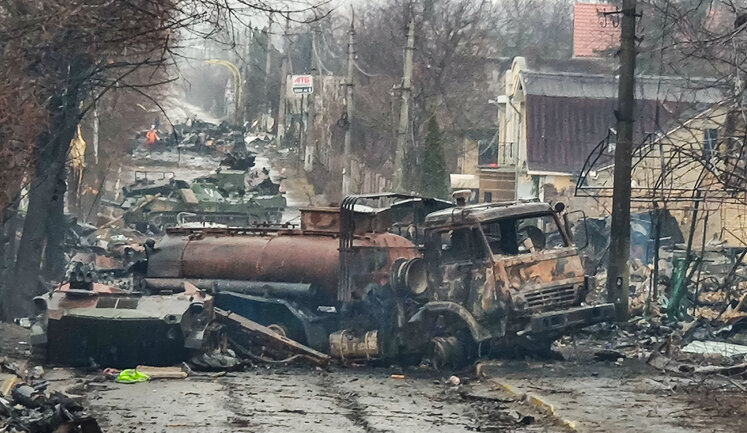
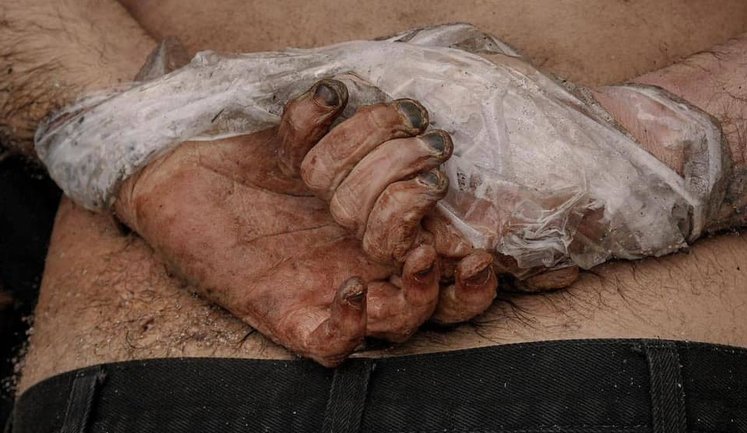
 Russians killed over 1700 civilians in Bucha district during occupation - Shmyhal During the occupation of the Bucha district in 2022, the Russian military killed more than 1700 civilians. 1 783 18 Previously in trend: Bucha massacre
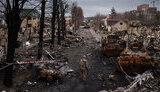 72 murders committed by Russians in Bucha solved since 2024 - National Police Since 2024, National Police investigators have solved 72 murders committed by the Russian occupiers during the occupation of Bucha in 2022. 1 032 3 Previously in trend: Bucha massacre
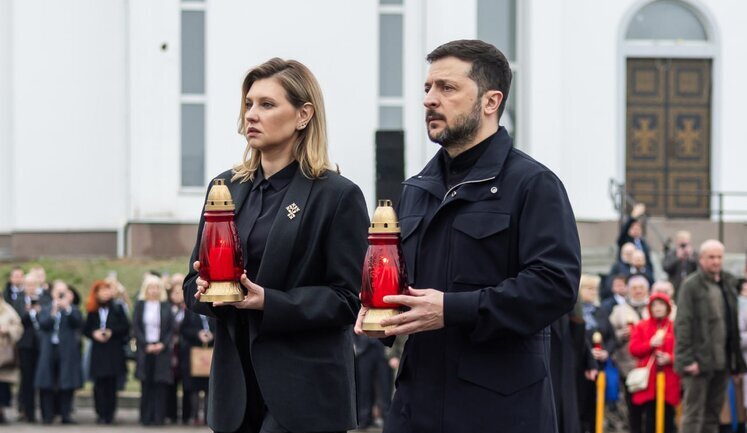
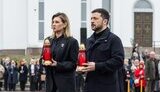 Zelenskyy and First Lady honour memory of Ukrainians killed in Bucha. PHOTOS On the third anniversary of the liberation of Bucha from the Russian occupiers, President of Ukraine Volodymyr Zelenskyy and First Lady Olena Zelenska, together with European delegations, paid tribute to the memory of the murdered Ukrainians. 3 807 67 Previously in trend: Bucha massacre
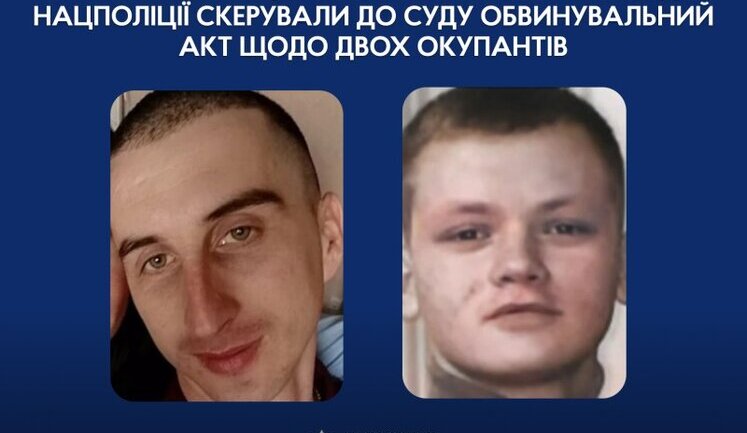
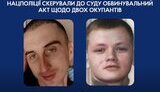 Two Russian soldiers who threatened to shoot civilians during occupation of Bucha will be tried - National Police. PHOTO National Police investigators sent to court an indictment against two occupiers who threatened civilians with executions. 2 087 5 Previously in trend: Occupied territories - Crimea and Donbas
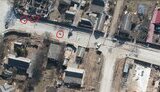 All 12 Russian servicemen who shot civilians in Bucha have been identified. Commander of Russian paratroopers was served notice of suspicion - National Police The National Police has served a notice of suspicion to the commander of Russian paratroopers involved in the shootings of people at the intersection of Vokzalna and Yablunska streets in Bucha. Law enforcement officers also identified all 12 servicemen who killed 16 civilians on the intersection... 2 860 11
 Suspicion is served to Russian military who shot Bucha resident when he went to buy food. PHOTO Russian servicemen Ivan Polin and Maxim Kuznetsov were served with a notice of suspicion of committing a war crime, namely the murder of a civilian resident of Bucha, Ihor Paliyenko, during the occupation of the city. 4 572 7 Previously in trend: War
 Russian serviceman who shot dead Sydorenko couple in Bucha in March 2022 has been identified. PHOTO Russian military officer Shamil Hasanguliyev was served a notice of suspicion of committing a war crime, namely the murder of the Sydorenko couple during the occupation of Bucha. 13 428 17 Previously in trend: Bucha massacre
 Russian officer who ordered shooting of Bucha resident during occupation identified – National Police. VIDEO The operatives of the Criminal Investigation Department identified the Russian officer who ordered the shooting of a civilian in Bucha during the occupation of Kyiv region. 6 443 10 Previously in trend: War
 At meeting with Pope, Zelenskyy presented him with painting about tragedy in Bucha - Italian mass media During his visit to the Vatican on October 11, President of Ukraine Volodymyr Zelenskyy met with Pope Francis and presented him with a painting based on the war crimes of the Russian Federation during the occupation of Buchi. 4 521 26
 National Police investigators serve notice of suspicion to Russian serviceman who shot dead two Bucha residents for refusing to drink with him. PHOTO National Police investigators have identified the Russian occupier who shot dead two civilians during the occupation of Bucha, Kyiv region, in the spring of 2022. The Russian invader faces life imprisonment for his crime. 7 603 10
 Deputy head of Bucha TCR exposed for UAH 100,000 bribe - prosecutor’s office. PHOTO Law enforcers detained the deputy head of the Bucha TCR and SS in Kyiv region on bribery. 16 650 35 Previously in trend: Grafters
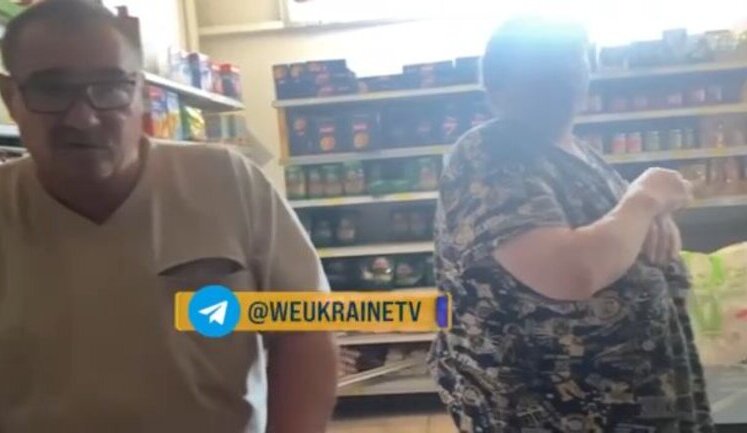
 Residents of Sudzha shopping in store: "We were told - we are not touching you, live in peace, everything is fine". VIDEO A video was posted online showing two residents of Suzha in the Kursk region shopping in a store. 39 852 54 Previously in trend: War
 Russian occupier who shot car with civilians and children in Bucha will be tried. PHOTOS The juvenile prosecutors of the Prosecutor General's Office sent to court an indictment against a Russian serviceman involved in the shooting of civilians during the occupation of Bucha, Kyiv region. 5 454 11
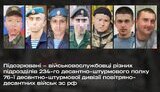 Another 7 servicemen of Russian Armed Forces who shot civilians in Bucha during occupation have been served suspicion notices - Prosecutor General’s Office. VIDEO Seven Russian servicemen involved in committing war crimes during the occupation of Bucha in Kyiv region were identified and served a notice of suspicion. They are charged with violations of the laws and customs of war, including those involving the intentional killing of civilians. 3 414 5 Previously in trend: Russian aggression against Ukraine War
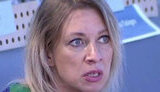 Russia sends note of protest to Armenia over its ambassador’s visit to Bucha: "Openly unfriendly step" Russian Foreign Ministry spokeswoman Maria Zakharova said that Russia had sent a note of protest to Armenia after the Armenian ambassador and an Armenian delegation visited the town of Bucha in Kyiv region. 9 634 26
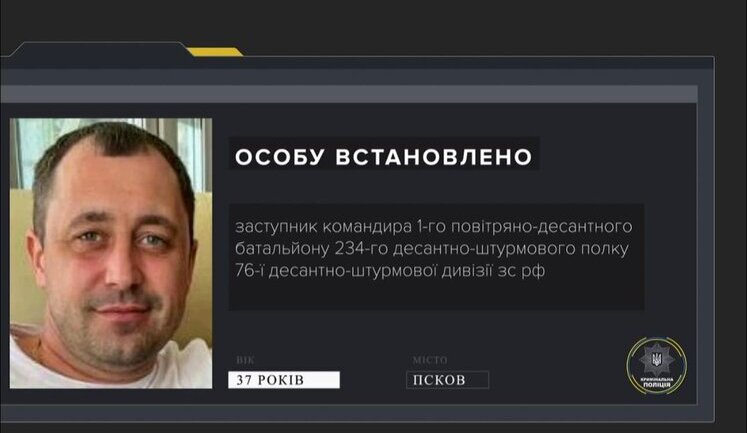
 Prosecutor General’s Office identifies two Russian Armed Forces servicemen who shot civilians during occupation of Bucha Under the procedural supervision of the Prosecutor General’s Office, the division commander of the 234th Air Assault Regiment of the Airborne Forces Division of the Russian Armed Forces and the gunner of the 4th Air Assault Company were identified and served a notice of suspicion of violation of the laws and customs of war, combined with premeditated murder. 3 981 8 Previously in trend: War
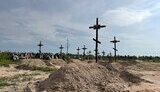 Number of people killed and tortured in Bucha is not final, there are still missing persons - National Police The investigation into the war crimes committed by the Russian military in Bucha is ongoing, and the number of victims is still inconclusive. 2 658 11 Previously in trend: Russian aggression against Ukraine
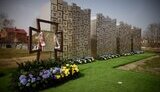 Russia has made violence and hatred its ideology, - Zelenskyy. VIDEO Russia has destroyed its morals, and only strength and unity can stop the aggressor country. 2 647 42 Previously in trend: War Bucha massacre
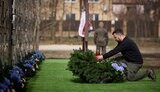 Zelenskyy commemorates Ukrainians killed by Russian troops during occupation of Kyiv region in Bucha. PHOTO On the second anniversary of the liberation of Kyiv region from Russian invaders, President of Ukraine Volodymyr Zelenskyy honoured the memory of Ukrainians killed by the invaders during the occupation of the Bucha community. 5 481 44 Previously in trend: War Bucha massacre
 Two Russian servicemen who shot civilian in Bucha are served with suspicion notices. PHOTO Under the procedural supervision of the Prosecutor General’s Office, two servicemen of the Russian Armed Forces were served a notice of suspicion of violation of the laws and customs of war combined with premeditated murder. 1 345 8
 Ruscist from Buryatia is served notice of suspicion of killing civilian during occupation of Kyiv region. PHOTO A 27-year-old Russian occupier who killed a civilian during the occupation of Kyiv region was served a notice of suspicion of violating the laws and customs of war. 4 651 16 Previously in trend: War
 Japanese Foreign Minister Hayashi visited Bucha. PHOTOS Japanese Foreign Minister Yoshimasa Hayashi visited Bucha in the Kyiv region. 4 640 16 Previously in trend: War Bucha massacre
 Danish Prime Minister Frederiksen commemorated victims of Russian war crimes in Bucha. PHOTOS Prime Minister of Denmark Mette Frederiksen and Prosecutor General of Ukraine Andriy Kostin visited Bucha to commemorate the victims of war crimes committed by the Russian military. 3 588 5
 Irish Prime Minister Varadkar visited Bucha. PHOTO During his visit to Ukraine, Irish Prime Minister Leo Varadkar visited the sites of Russian crimes in Bucha together with Ukrainian Prosecutor General Andriy Kostin. 3 544 7
 Putin awarded Order of Courage to occupier accused of crimes in Bucha. VIDEO In a military hospital, Russian dictator Vladimir Putin awarded the Order of Courage to Anatoliy Zuyev, who is accused of torturing and killing people in Bucha. Zuyev himself and the Kremlin’s press service partially confirmed the truth of these accusations. 3 334 22 Previously in trend: Russian aggression against Ukraine War
 Pope’s special envoy Cardinal Zuppi visited Bucha. PHOTOS The Special Envoy of Pope Francis visited Bucha, Kyiv region. 8 177 22 Previously in trend: War Bucha massacre
 Suspicion of five Russian military personnel for rape of resident of Kyiv region reported, - National Police. PHOTOS Investigators of the National Police have reported the suspicion of five soldiers of the Russian Federation for the rape of a resident of the Kyiv region. 7 449 12 Previously in trend: War
 US Congress delegation visits Bucha. PHOTOS A delegation of United States Congress, including members of Helsinki Commission, visited Bucha, Kyiv region. 8 491 6
 Participants of Bucha Summit signed declaration on Russia’s responsibility for war crimes committed in Ukraine Almost 50 states and international organizations signed the Bucha Declaration on Russia’s responsibility for war crimes committed in Ukraine. 1 478 0 Previously in trend: War
 Tribunal over Russian criminals may be held in Bucha, - Zelensky Bucha could become one of the sites for a tribunal to try Putin and his entourage. 4 156 36 Previously in trend: Russian aggression against Ukraine War
 U.S. joins other countries and organizations around world to seek justice for Ukrainians - Blinken The United States is joining other countries and organizations around the world to hold the Russians accountable for their crimes and demand justice for Ukrainians. 765 3
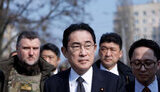 Japanese Prime Minister Kishida visited Bucha. PHOTOS Japanese Prime Minister Fumio Kishida visited Bucha during an unannounced visit to Ukraine. 12 834 26
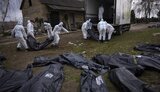 199 bodies of those killed in Kyiv region have not yet been identified, - Nebytov In the Kyiv region, 199 bodies of Ukrainians killed during active hostilities in the region remain unidentified. 1 236 5 Previously in trend: War Bucha massacre
 Murder of three volunteers in Bucha: Suspected occupier Makarenko confirmed that he was in city at time ASTRA journalists spoke with Russian military officer Davyd Makarenko, who on March 4, 2022 was caught on video surveillance cameras in Bucha, Kyiv region. 12 462 29 Previously in trend: War Bucha massacre
 Journalists identified Russian soldiers who killed three volunteers in Bucha on March 4, 2022. VIDEO On March 4, 2023, the premiere of Suspilny’s investigative film: "Bucha: Shooting on Kyiv-Myrotsky" about the shooting by the Russian military of young volunteers who were taking aid to an animal shelter in the Bucha district of the Kyiv region. 16 680 7 Previously in trend: Russian aggression against Ukraine
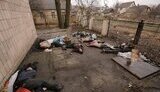 Zelenskyy: Bucha showed Russia’s true attitude towards Ukrainians Bucha showed Russia’s true attitude toward Ukraine and Ukrainians. 6 355 39 Previously in trend: War Bucha massacre
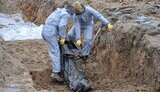 Bucha and Babyn Yar testify that evil must be destroyed by force, - Kuleba The crimes committed at different times by different regimes in Bucha and Babyn Yar show that evil must be destroyed by force of arms, sanctions and coalitions in support of peace and against war. 1 720 8 Previously in trend: War
 Ukraine’s negotiations with Russia lost their meaning after Bucha, - former Israeli Prime Minister Bennett In February-March 2022, right in beginning of full-scale invasion, Russia and Ukraine were ready to make serious concessions to resolve conflict. But all of this lost its meaning after evidence of civilian killings in Bucha came to light. 9 069 34 Previously in trend: War Bucha massacre
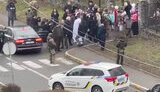 Johnson came to Bucha. VIDEO Former British Prime Minister Boris Johnson visits Bucha. 14 876 59
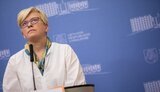 Christmas tree in Bucha is strong symbol of hope for victory over darkness, - Lithuanian Prime Minister Šimonite Lithuanian Prime Minister Ingrida imonite mentioned Ukraine in her Christmas greetings, noting that the Christmas tree in Bucha is a strong symbol of hope for victory over darkness. 2 518 0 Previously in trend: Russian aggression against Ukraine War
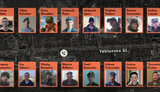 New York Times released film about atrocities of Pskov paratroopers in Bucha The New York Times published an investigation on how it identified a group of Pskov paratroopers who committed war crimes in occupied Bucha in the spring. 19 026 16 Previously in trend: War
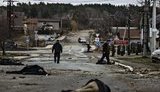 NYT journalists identified Pskov paratroopers who killed Ukrainians in Bucha. PHOTOS Journalists identified dozens of Russian soldiers of the 234th Airborne Assault Regiment from Pskov who killed civilians in Bucha. 22 457 28 Previously in trend: War
 Air defense forces shot down Russian missile near Bucha, - Mayor Fedoruk Air defense forces in the Kyiv region shot down a rocket near Bucha. 6 417 26 Previously in trend: War
 Belgian Prime Minister De Croix visited Bucha and Borodianka. PHOTOS On Sunday, November 27, the Prime Minister of the Kingdom of Belgium, Alexander De Croix, visited Bucha and Borodianka, Kyiv region. 5 412 2 Previously in trend: War
 Russian soldier from brigade accused of atrocities in Bucha fled to Spain and wants to testify about crimes of Russians The former serviceman of the armed forces of the Russian Federation declared his readiness to cooperate with the international investigation of the war crimes of the occupiers. 19 630 53 Previously in trend: War
Page 1 of 4
more news