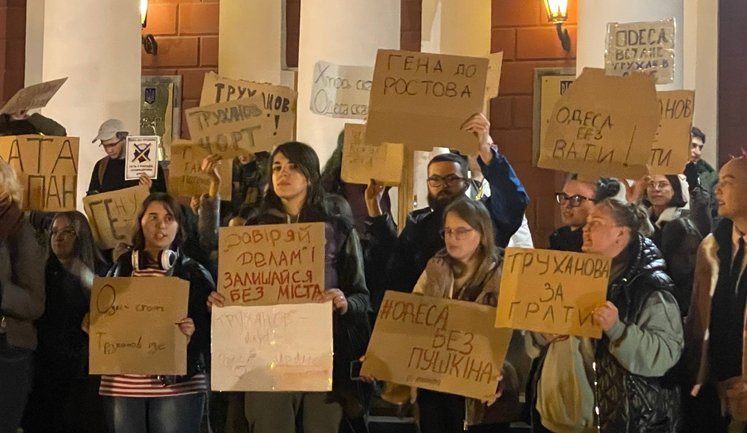
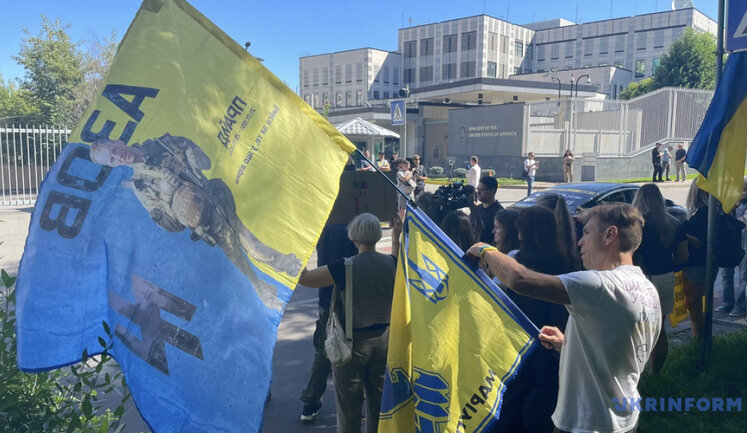
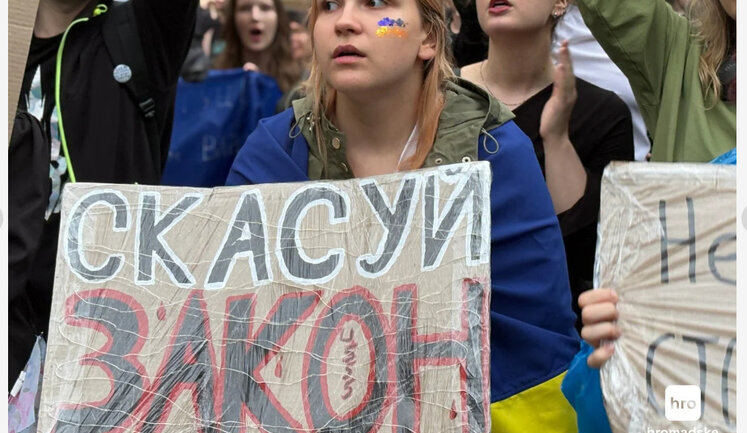
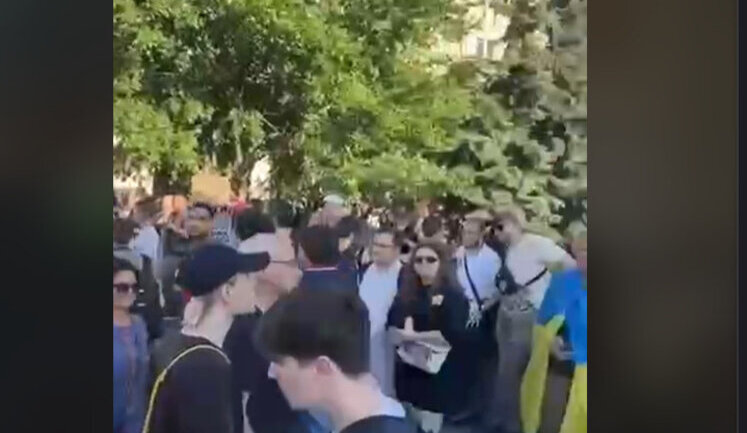
Ukraine has been experiencing a wave of protests in recent months, highlighting the nation's robust civil activism. One significant event is the ongoing protests against a controversial bill that curbs the independence of anti-corruption bodies, NABU and SAPO. Citizens have taken to the streets in multiple cities, including Kyiv, Dnipro, and Lviv, demonstrating against Law No. 12414. Meanwhile, in Odesa, locals rallied against Mayor Hennadii Trukhanov, following the revocation of his Ukrainian citizenship. These events underscore a society actively engaging in political discourse and fighting for democratic principles. The protests reflect both political and social concerns, showing a populace that demands transparency and accountability.
What are the main reasons for protests in Ukraine?
The protests in Ukraine are driven by several issues, including political reforms, anti-corruption measures, and societal demands for transparency. For instance, many Ukrainians are protesting Law No. 12414, which limits the powers of NABU and SAPO. There are also protests against political figures and decisions that are perceived to undermine democratic values.
How has the Ukrainian government responded to the protests?
The government's response to the protests has been mixed. In some instances, authorities have tried to engage with protestors and address their concerns. However, there have been reports of clashes and attempts to suppress demonstrations, reflecting the complex dynamics between the state and the mobilized citizenry.
What impact do these protests have on Ukrainian society?
These protests play a crucial role in raising awareness and pushing for political change. They demonstrate the active participation of Ukrainian citizens in the democratic process and put pressure on the government to enact reforms, highlighting the public demand for accountability and transparency.
How do international entities view the protests in Ukraine?
International entities often view the protests in Ukraine as a sign of a vibrant civil society struggling for democratic values. The protests are monitored by global human rights organizations, and international bodies often stress the importance of peaceful demonstrations and dialogue between the government and citizens.
Have the protests led to any significant political changes in Ukraine?
While the protests are ongoing, they have already influenced political discussions and highlighted key issues such as corruption and governance. Some political changes have been initiated, but the full impact of these protests on Ukraine's political landscape is still unfolding as the movements continue to evolve.
What are the future prospects for protests in Ukraine?
The future of protests in Ukraine is likely to remain dynamic as societal and political issues continue to arise. With a population highly engaged in political processes, Ukraine may see continued activism until significant reforms are achieved. The resilience of Ukrainian civil society suggests further rallies could be expected if demands are unmet.
How do the current protests connect to past activism in Ukraine?
The current protests are part of a long tradition of civil activism in Ukraine, rooting back to the 2004 Orange Revolution and the 2013 Euromaidan movement. Each phase of protests builds on the previous as citizens strive for improved governance, transparency, and engagement in state affairs.