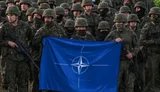
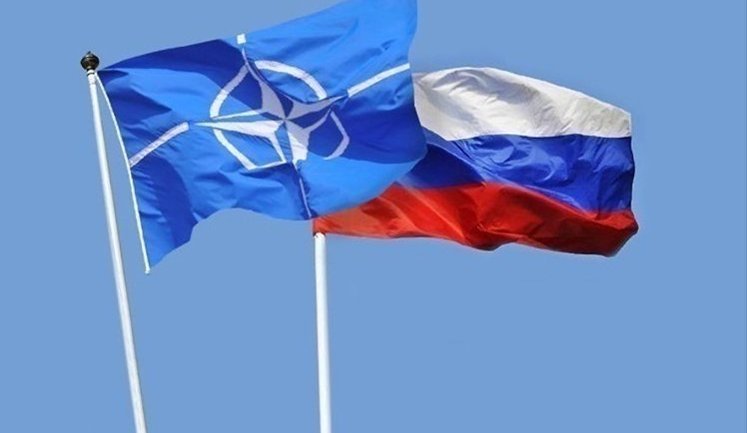
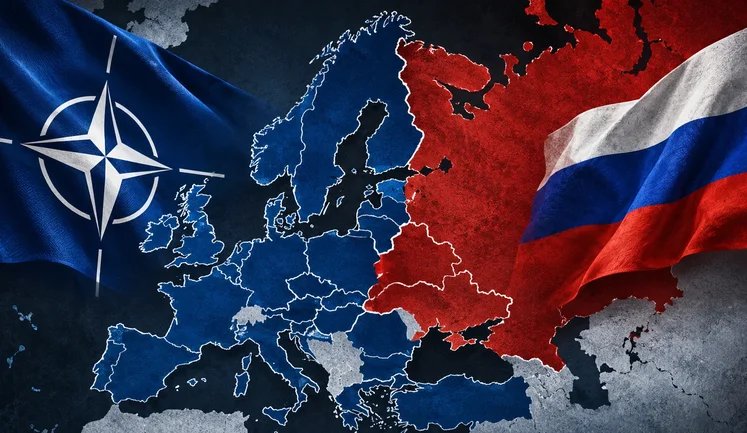
Recent developments in global security have shown Russia's ongoing tensions with NATO, raising fears of potential conflict. Diplomat Alexei Drobinin from the Russian Ministry of Foreign Affairs has proposed non-aggression pacts with individual NATO countries, aiming to forge a new European security framework. However, NATO remains wary, preparing for potential strikes deep inside Russian territory if provoked. Moscow's hybrid attacks are testing the limits of NATO's Article 5, compelling members to reassess defense tactics. As European leaders express readiness to counter any Russian aggression, the possibility of a Russian attack remains a pressing concern for the Alliance and European security.
What is the current stance of NATO towards potential Russian aggression?
While NATO does not perceive an immediate threat from Russia, it is actively preparing its defensive strategies. The Alliance is considering precision strikes within Russian territory if an attack occurs, reflecting its commitment to defend member states and uphold European security. NATO leaders continue to emphasize deterrence and readiness in response to potential threats.
How has Russia's recent diplomacy with NATO countries evolved?
Russia has suggested forming non-aggression pacts with individual NATO countries, as seen in statements by Alexei Drobinin. This is part of a broader strategy to develop a new European security framework. However, NATO remains cautious, questioning Moscow’s intentions and preparing for any divergence from peace agreements.
Why are NATO countries reviewing their defense strategy now?
Recent provocations and hybrid attacks attributed to Russia have compelled NATO to reassess its defense strategies. By examining vulnerabilities and current preparedness levels, the Alliance seeks to ensure robust protection against potential aggressions. Rising tensions and uncertain geopolitical climates necessitate these strategic evaluations.
How are Baltic states and Eastern European NATO members preparing to address Russian threats?
Baltic states, along with countries like Poland and Finland, have heightened defensive measures, including plans to mine borders with Russia and prepare rapid response protocols. The Czech Republic has committed to assist Baltic states in the event of a crisis. These measures highlight regional commitments to bolster security against possible Russian actions.
What implications does Russia's current geopolitical strategy have for global stability?
The potential for Russian aggression against NATO countries poses significant implications for global stability. It challenges existing security agreements and compels international alliances to reinforce defensive measures. These tensions could reshape geopolitical dynamics, affecting international diplomacy and economic relationships across Europe and beyond.
How might Russia's military intentions impact NATO's overall strategic posture?
Russia's military posturing demands a fortified NATO strategic posture. The Alliance is expected to enhance its deterrence capabilities and reconsider rapid deployment strategies to protect its members. Strengthening intelligence, surveillance, and reconnaissance capabilities will be crucial to preempt and manage any Russian hostilities effectively.
What role does NATO's Article 5 play in the current tensions with Russia?
NATO's Article 5, which calls for collective defense, is pivotal amid Russian provocations. Russia’s hybrid attacks seek to test these boundaries, potentially prompting NATO to invoke this clause if an aggression occurs. Maintaining the integrity of Article 5 remains essential to NATO's security assurances and overall strategic deterrence.