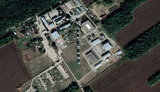
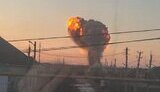
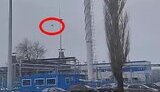
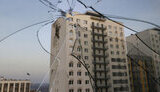
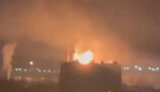
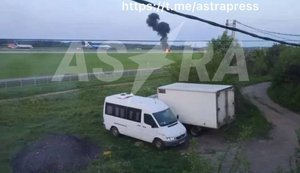
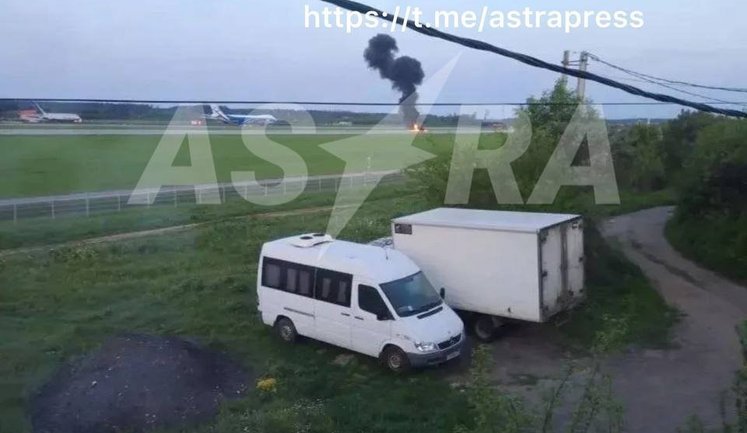
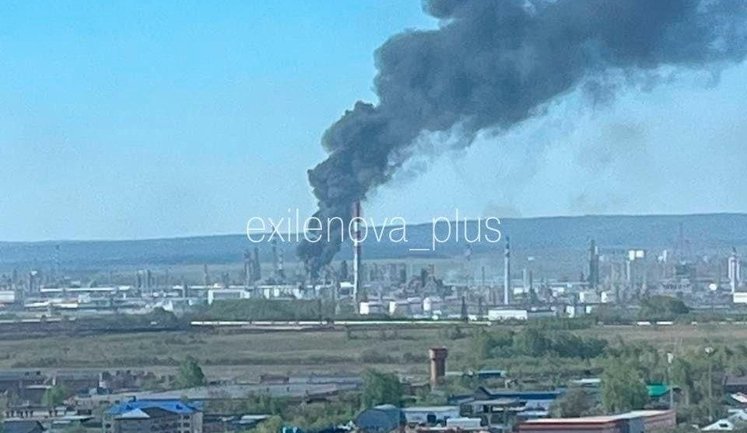
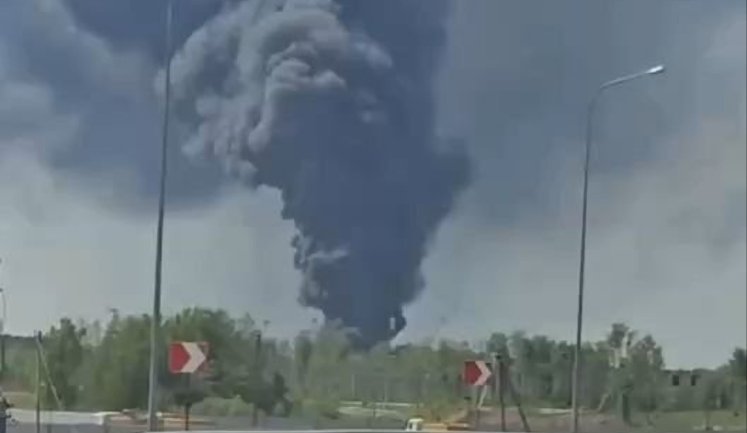
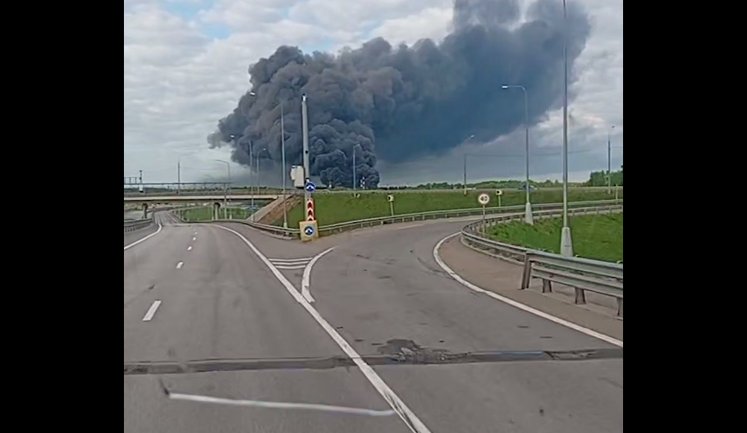
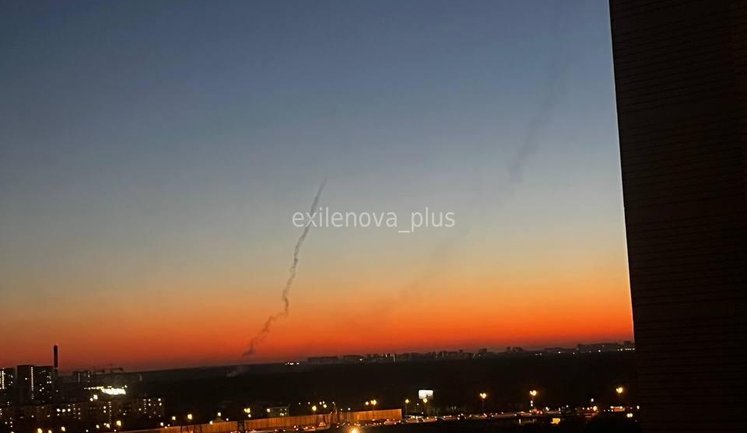
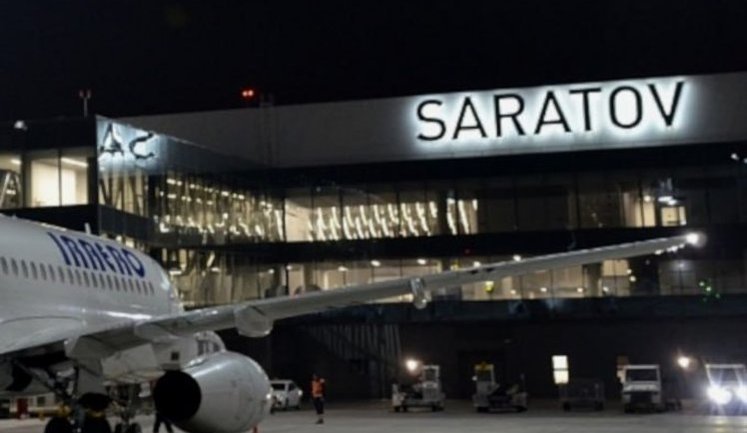
In recent months, a series of drone attacks have escalated tensions between Ukraine and Russia, as Ukrainian forces have targeted critical infrastructure in Russian territories. Among the affected areas are military installations, such as air defense systems and radar stations, as well as industrial sites, including chemical plants and oil refineries. Notably, the Russian city of Taganrog and the Leningrad region have witnessed significant strikes, with facilities like the Ust-Luga port suffering recurrent damage. Additionally, satellite images reveal extensive damage to the "Admiral Makarov" frigate and oil terminals. These incidents underscore the growing effectiveness of Ukrainian drone operations, as hailed by Ukrainian leaders. As the crisis deepens, both nations brace for further escalations amid mounting international scrutiny and calls for diplomatic interventions.
What areas in Russia have been affected by drone attacks?
The drone attacks have predominantly targeted Russian military and industrial facilities. Key affected areas include the Leningrad region, notably the port of Ust-Luga, and Taganrog in the Rostov region. Strike zones also extend to strategic installations in Crimea, Krasnodar Krai, and the Voronezh region, where chemical plants and oil refineries have been hit. These assaults on critical infrastructure highlight the heightened capacity and precision of Ukrainian drone operations in the ongoing conflict.
Which Ukrainian forces are conducting the drone attacks?
The Ukrainian Armed Forces, including specialized units like the Security Service of Ukraine's (SSU) Special Operations Center A, are orchestrating the drone attacks. These forces have been recognized for their high effectiveness in utilizing unmanned aerial systems to strike key Russian strategic targets. The offensive operations are part of Ukraine's broader military efforts to neutralize Russian military and logistical capabilities, aiming to weaken their operational efficiency in the conflict.
What significant damage has been reported from the drone strikes?
Significant damage reported includes the destruction of military installations and the interruption of industrial operations. Key military targets like the "Nebo-U" radar station and "Tor-M1" air defense system have been hit, disabling parts of Russia's defensive infrastructure. Industrial damage encompasses chemical plants, oil refineries, and the Ust-Luga port—crucial to Russia's export logistics. These strikes have resulted in fires, infrastructure destruction, and strategic setbacks for Russian forces in the region.
How has Russia responded to the drone attacks?
Russia has expressed significant concern over the drone attacks, accusing Ukraine of escalating the conflict. Official responses have included warnings to neighboring countries regarding airspace use and increased defensive measures across targeted regions. While Moscow has not detailed specific countermeasures, the ongoing attacks and their success underline the challenges faced by Russian defenses in countering small, maneuverable drones. The ongoing conflict remains a contentious point in diplomatic discussions between involved and neighboring nations.
What is the impact of drone attacks on Russia's economy?
The drone attacks have impacted Russia's economy by damaging infrastructure critical to oil and chemical production and distribution. Facilities in industrial hubs like Togliatti and Novorossiysk have faced disruptions, leading to potential economic repercussions. The strikes have not only affected production continuity but have also heightened security concerns, influencing investor confidence and possibly leading to increased defense expenditures. The prolonged conflict threatens to further strain Russia's economic resources amid continuing international sanctions and pressures.
Are there any international reactions to the drone attacks?
International reactions to the drone attacks have been varied, with some countries voicing concern over escalating violence and its potential to destabilize regional security. Western nations have typically supported Ukraine, emphasizing the right to self-defense amidst territorial aggression. However, calls for dialogue and de-escalation continue from international organizations and leaders, aiming to prevent further conflict and humanitarian consequences. The complex geopolitical dynamics and historical context continue to shape the international community's responses and diplomatic strategies.
What future actions might Ukraine take in this conflict?
While specifics of future actions remain undisclosed, Ukraine is expected to continue employing advanced drone technology to leverage its strategic advantages. Potential actions could include further strikes on key military and economic targets within Russia to maximize tactical impact. Additionally, Ukraine might engage in diplomatic efforts behind the scenes to garner more international support. The focus remains on deterring Russian aggression while seeking avenues for a peaceful conflict resolution facilitated by international mediation.