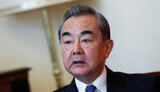
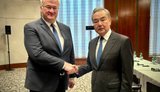
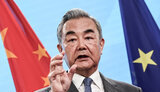
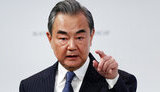
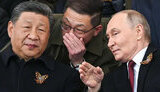
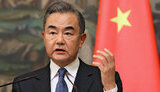
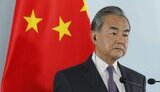
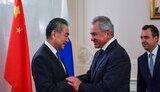
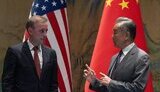
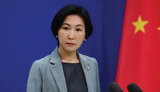
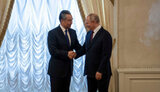
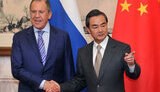
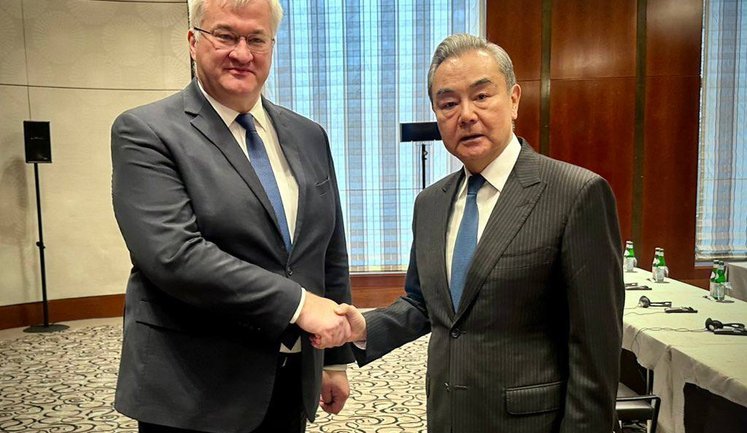
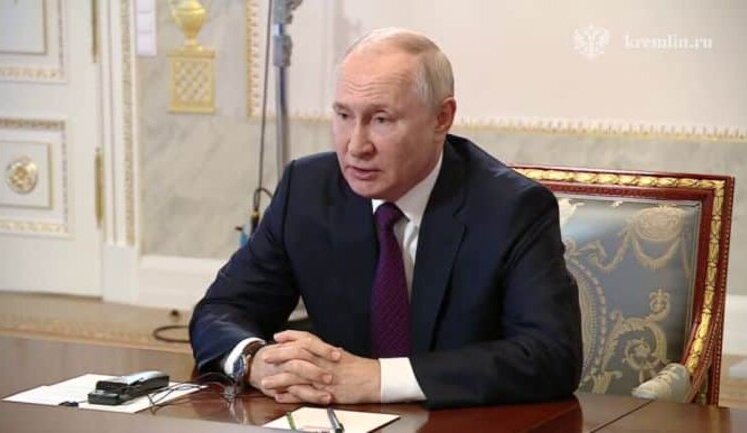
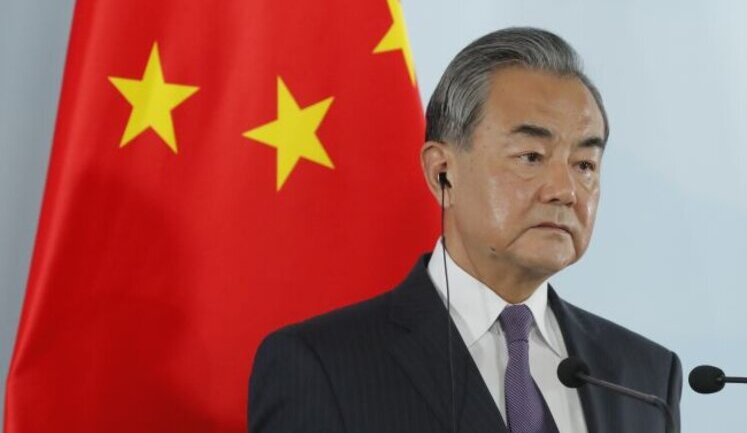
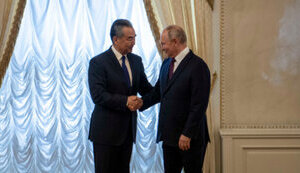
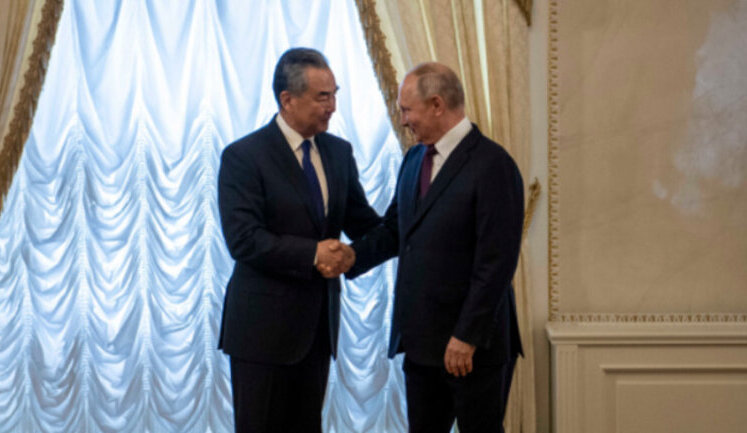
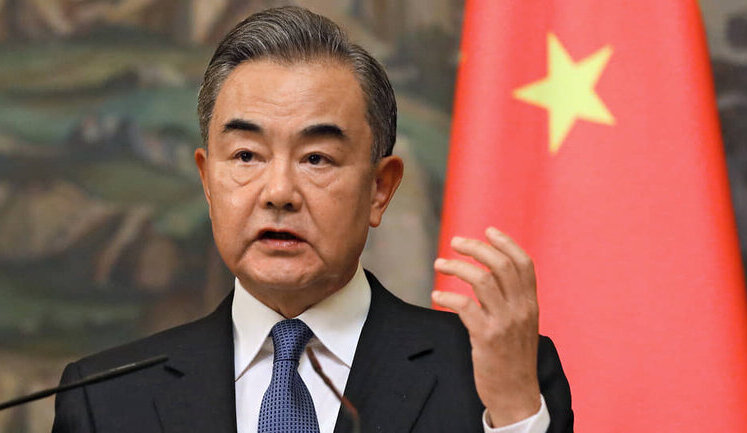
Chinese Foreign Minister Wang Yi underlines the progress made in Ukraine-Russia peace talks, expressing Beijing's commitment to fostering dialogue and resolutions. Recent meetings have shown potential breakthroughs as both nations engage in direct negotiations, which Wang Yi views as critical steps forward. China's stance reflects its broader geopolitical strategy to maintain regional stability and avoid a power shift, particularly with the US. Wang Yi reassures European leaders of China's support for the peace process and its readiness to enhance proposals and humanitarian aid to Ukraine. Despite challenges, China remains focused on a balanced and fair agreement, urging closer international cooperation.
What role does Wang Yi play in Ukraine-Russia peace talks?
Wang Yi, as China's Foreign Minister, plays a pivotal role in mediating and promoting peace talks between Ukraine and Russia. His diplomatic efforts include engaging with European leaders and advocating for negotiations that aim to end the conflict. By leveraging China's influential geopolitical position, he seeks to encourage ongoing dialogue and a fair resolution that meets the needs of all parties involved.
How does China view the Ukraine crisis?
China perceives the Ukraine crisis as a significant geopolitical issue that requires a balanced and peaceful resolution. The nation, led by foreign policy initiatives from Wang Yi, supports direct negotiations between Ukraine and Russia. China is committed to promoting political solutions and opposes actions that could further destabilize the region, such as sanctions. This stance reflects China's broader interests in maintaining regional stability and averting US dominance.
Why is Wang Yi's involvement in Ukraine negotiations significant?
Wang Yi's involvement is significant due to China's powerful influence on the global stage. His diplomatic outreach underscores China's commitment to resolving the Ukraine-Russia conflict through discussions and multilateral cooperation. This involvement not only demonstrates China's strategic interests in global peace but also highlights its potential to act as a mediator in international disputes, promoting stability and fostering dialogue among conflicting parties.
What are China's main goals in the Ukraine-Russia peace process?
China aims to facilitate a peaceful and sustainable settlement to the Ukraine-Russia conflict. The key goals include maintaining regional stability, preventing shifts in global power dynamics unfavorable to China, and ensuring a balanced agreement that respects the interests of all involved nations. China advocates for diplomatic engagement and political solutions, opposing economic measures and military escalations that might jeopardize peace efforts.
How is China supporting Ukraine amid the ongoing conflict?
China offers support to Ukraine through diplomatic initiatives aimed at facilitating negotiations with Russia. Wang Yi emphasizes China's commitment to international dialogue, proposing platforms like the "Friends of Peace" and offering humanitarian aid to address the immediate needs of Ukrainians affected by the conflict. China's diplomatic efforts, led by Wang Yi, reflect its broader strategic goals of maintaining regional stability and fostering peace.
What challenges does Wang Yi face in the peace negotiations?
Wang Yi faces numerous challenges in advancing peace negotiations between Ukraine and Russia. These include geopolitical tensions, differing national interests, and the potential for external influences, such as from the US. Additionally, reluctance from both sides, logistical complexities, and the continuous need for balancing international criticism with diplomatic démarches pose significant hurdles in achieving a meaningful and lasting peace agreement.
What is the "Friends of Peace" platform proposed by China?
The "Friends of Peace" platform is an initiative suggested by China, with support from countries like Brazil, to resolve the Ukraine crisis. It aims to include diverse international perspectives in peace talks and facilitate a collaborative approach to ending the conflict. Led by Wang Yi's vision, this platform seeks to leverage collective diplomatic efforts to achieve a balanced and sustainable peace settlement, emphasizing dialogue and negotiation.
How does China's position impact the Ukraine-Russia negotiations?
China's position significantly impacts the Ukraine-Russia negotiations by providing a diplomatic alternative to Western approaches, which often include economic sanctions and military support. As a major global power, China's call for direct negotiations and rejection of unilateral sanctions plays a critical role in shaping dialogue outcomes. Wang Yi's diplomatic efforts aim to balance international relations and influence both parties towards peaceful conflict resolution.
What are the implications of a peace agreement brokered by China?
A peace agreement brokered by China would have profound implications for the global geopolitical landscape. It could enhance China's status as a key mediator in international conflicts, showcasing its diplomatic capabilities. Such an agreement would reflect China's strategy of maintaining regional stability while potentially altering power dynamics between major global players. It signifies China's dedication to peaceful solutions, which might lead to a more balanced approach in resolving future international disputes.
How does Wang Yi's strategy differ from Western approaches to the Ukraine conflict?
Wang Yi's strategy differs from Western approaches in that it focuses on fostering dialogue through direct negotiations without preconditions, and promotes diplomatic rather than military or economic pressure solutions. China advocates for a balanced resolution that considers the interests of all involved parties, contrasting with Western methods that often include sanctions and support for one side. Wang Yi's approach aims to achieve sustainable peace while maintaining equilibrium in global power relations.