The Ukrainian government is navigating significant tax reforms in 2026 to meet International Monetary Fund (IMF) requirements. The Ministry of Finance has introduced a tax bill to the Rada, aiming for a projected revenue of 60 billion, although government expenditures are nearly equivalent. Delays in passing necessary tax legislation may jeopardize Ukraine's ability to secure remaining IMF funds. These changes highlight the challenges facing Ukraine as it balances revenue generation and economic stability amidst international scrutiny.
What tax changes have been proposed by Ukraine's Ministry of Finance?
The Ministry of Finance has proposed tax alterations aimed at generating around 60 billion in revenue. These changes are part of efforts to meet obligations under agreements with the International Monetary Fund and ensure financial stability amid rising expenditures.
Why is the IMF concerned about Ukraine's tax legislation?
The International Monetary Fund is concerned due to the Verkhovna Rada's delays in passing necessary tax legislation. These delays could hinder Ukraine's ability to fulfill its obligations under the IMF funding agreement, potentially risking access to the remaining funds in the $8.1 billion package.
How might the proposed tax changes affect Ukraine's economy?
The proposed tax changes are designed to increase government revenue, which may help stabilize the economy. However, the current and projected government expenditures matched with revenue could lead to debates on effective fiscal management and the necessity for further economic reforms.
What is the role of the Ukrainian parliament in tax legislation?
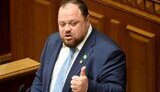
The Ukrainian parliament, particularly the Verkhovna Rada, plays a crucial role in tax legislation by reviewing, amending, and passing bills proposed by the Ministry of Finance. Their decisions directly impact the implementation of tax policies and economic measures linked to international agreements like those with the IMF.
Are there any international reactions to Ukraine's tax reforms?
International reactions, particularly from institutions like the IMF, are focused on Ukraine's adherence to agreed-upon fiscal policies and deadlines. Achieving sustained economic growth and financial stability depends on balancing these reforms with the government's spending commitments.