ENG




16467 visitors online
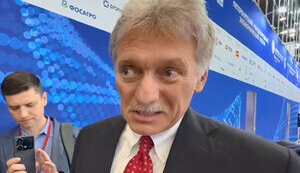
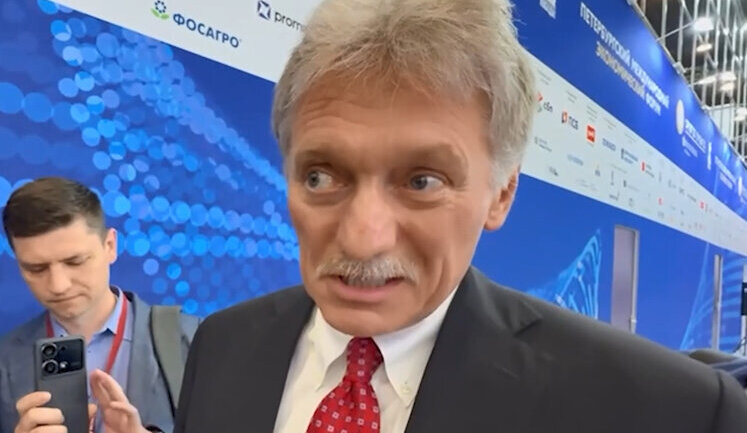
Amidst the ongoing conflict between Russia and Ukraine, Kremlin spokesperson Dmitry Peskov remains a pivotal figure, reiterating the Kremlin's narrative and conditions for peace talks. Peskov underscores the necessity for Ukrainian President Volodymyr Zelenskyy to visit Moscow for dialogue with Vladimir Putin. Despite the assertions of Russia's readiness to engage in trilateral peace talks involving the U.S., Peskov stresses that this engagement is contingent upon Ukraine's willingness to address what Russia describes as the root causes of the conflict. Peskov has frequently highlighted Moscow's expectations of flexibility from Kyiv and a desire for the cessation of strikes on Russian territories. His statements reassert Moscow's firm stance, including the Kremlin's belief in its proximity to victory in the ongoing conflict.
What is Dmitry Peskov's role in the conflict between Russia and Ukraine?
Dmitry Peskov serves as the spokesperson for the Kremlin, communicating official Russian positions and conditions pertaining to the conflict with Ukraine. His role includes discussing peace talks and negotiations while relaying the Kremlin's strategy and military objectives in the region.
Has Dmitry Peskov indicated any preconditions for peace talks with Ukraine?
Peskov has stated that peace talks require Ukraine to address the underlying issues the Kremlin believes led to the conflict. This involves political concessions and a commitment from Ukraine to meet Moscow's demands, particularly regarding the status of contested regions.
What stands out in Peskov's statements about meetings between Zelenskyy and Putin?
Peskov remains consistent in asserting that a meeting must occur in Moscow and should focus on resolving the conflict. He suggests that such discussions are pivotal but requires President Zelenskyy's willingness to negotiate under Russian conditions.
What has Peskov said about international involvement in the Russia-Ukraine conflict?
Peskov has expressed skepticism regarding European Union and NATO involvement, emphasizing Russia's stance that the conflict's resolution should prioritize direct dialogue based on Russian terms, potentially involving the United States in negotiations but excluding EU mediation.
How does Peskov perceive potential peace negotiations?
Peskov has described the path to a peace agreement as complex and dependent on significant political shifts, primarily focused on Ukrainian political decisions and territorial concessions that align with Russian strategic interests.
What has Peskov stated regarding sanctions and external pressures?
Peskov, reflecting Kremlin views, often emphasizes resilience against Western sanctions, arguing these measures will not alter Russia's strategic course in Ukraine, and he calls for the lifting of various sanctions as part of peace discussions.
What does Peskov say about the military operations in Ukraine?
Peskov reiterates that military operations are a response to perceived threats, maintaining Russia's stance on defending its territories and framing its actions as defensive rather than aggressive, in line with Kremlin narratives.
News Peskov Dmitry
 Russia carries out "revenge strikes" against Ukraine over Kyiv’s expansion of target list – Peskov Russian dictator’s press secretary Dmitry Peskov said Russian forces would continue striking Ukraine, describing the attacks as "revenge" for Kyiv’s alleged expansion of its list of targets for attacks inside Russia. 2 990 29 Previously in trend: Peskov claims
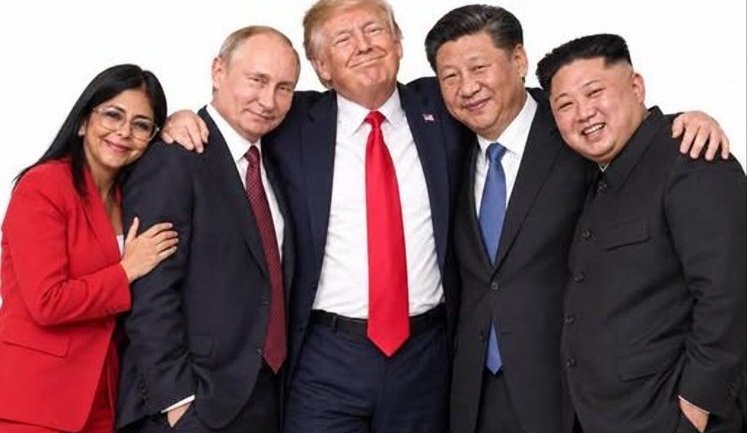
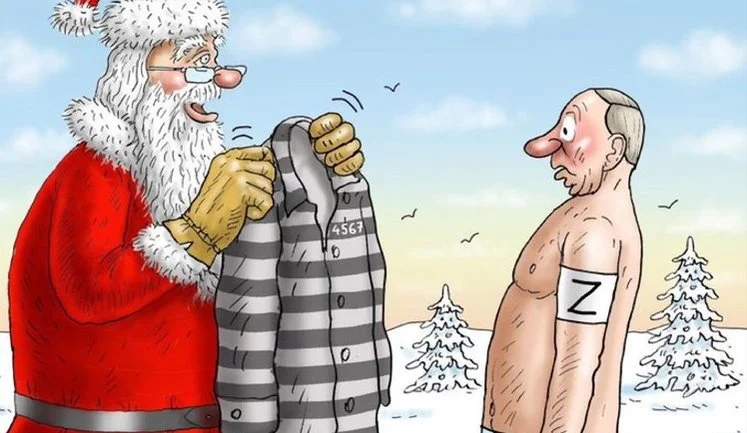
 Putin’s sensational statement, Trump’s friends, just end to war. Latest photo memes from "Censor.NET" A sensational statement Word of the Year A just end to the war 5 974 4
 Ukraine has not moved any closer to negotiations with Russia; Europe is standing in way, - Peskov The Kremlin claims that Europe is allegedly obstructing peace negotiations between Ukraine and Russia. 2 443 31 Previously in trend: negotiations with Russia Peskov claims
Kremlin commented on US idea regarding easing of sanctions: Russia has no political prisoners The press secretary for the Russian dictator, Dmitry Peskov, commented on reports that U.S. President Donald Trump had supported the idea of easing sanctions against Russia in exchange for the release of political prisoners. 3 465 35 Previously in trend: U.S. sanctions against Russia
Russia will continue war until it secures its interests, - Peskov Dmitry Peskov, press secretary for dictator Putin, stated that Russia will continue the war against Ukraine to achieve its objectives. 4 262 33 Previously in trend: Ending the war
 Peskov on Russia’s strikes: Ukraine "will have to pay price" for its actions The dictator's spokesman, Dmitry Peskov, stated that Russia's strikes on Ukraine are allegedly "retaliation" for Ukraine's attacks over the past few months. 5 499 28 Previously in trend: Shelling of Ukraine
 No decision has yet been made on Putin’s participation in G20 summit, - Peskov Russian dictator Vladimir Putin has not yet decided whether to attend the December G20 summit. 1 284 9 Previously in trend: G20 meeting
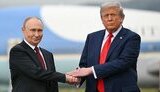 Putin is ready for new meeting with Trump – Peskov The Kremlin stated that Russian dictator Vladimir Putin is ready for another meeting with U.S. President Donald Trump. 3 401 22 Previously in trend: Meeting of Trump and Putin
Trump’s signing of ’hellish sanctions’ bill does not contribute to resolving war in Ukraine, - Peskov Dmitry Peskov, the spokesperson for the dictator Putin, stated that Donald Trump’s signing of the bill on ‘hellish sanctions’ is unlikely to contribute to resolving the war in Ukraine. 1 864 12 Previously in trend: U.S. sanctions against Russia
 No progress in peace talks, - Peskov Dmitry Peskov, the spokesperson for the Russian dictator, has stated that the Kremlin is hoping for the resumption of trilateral talks on the war in Ukraine. 2 184 14 Previously in trend: negotiations with Russia
 Energy truce is very good idea – Peskov Dmitry Peskov, spokesman for the Russian dictator, considers an energy truce between Ukraine and Russia a "good idea." 6 917 46 Previously in trend: Establishment of energy truce
 Kremlin has stated that Russia intends to continue its attacks on Ukraine Dmitry Peskov, the spokesperson for the Russian dictator, stated that the Russian armed forces are operating across the whole of Ukraine and intend to continue their shelling. 3 742 18 Previously in trend: Shelling of Ukraine
 Kremlin has responded to Zelenskyy’s statement regarding meeting with Putin in Miami: ’He may come to Moscow’ The spokesperson for the Russian dictator, Dmitry Peskov, has once again stated that the President of Ukraine, Volodymyr Zelenskyy, should travel to Moscow to meet with Vladimir Putin. 5 150 49 Previously in trend: Zelenskyy on Putin Zelenskyy agreed to meet with Putin
 Kremlin sets condition for peace talks with Ukraine: "Root causes of ’special military operation’ must be eliminated" The Kremlin claims that Russia is supposedly open to resuming peace talks with Ukraine and expects to hold a trilateral meeting involving the United States. At the same time, its conditions for negotiations remain unchanged. 15 098 77 Previously in trend: Peace negotiations negotiations between USA and Russia Ukraine and Russia talks
 Putin may discuss war against Ukraine with Modi, - Peskov Russian dictator Vladimir Putin may raise the issue of the war against Ukraine and its resolution during talks with Indian Prime Minister Narendra Modi. 2 026 9 Previously in trend: Ending the war
Kremlin says energy truce not currently under discussion: Russia continues to strike targets in Ukraine Dmitry Peskov, spokesman for Russian dictator Dmitry Peskov, said that an energy truce is not currently under discussion and that Russian forces continue to attack targets in Ukraine. 2 572 16 Previously in trend: Attacks on the energy sector Establishment of energy truce
In Kyiv, they are well aware of compromises Russian Federation needs to make in order to embark on path to peaceful settlement, - Peskov Peskov, the spokesperson for the Russian dictator, stated that Russia is allegedly ready to resume the trilateral peace talks, but wants Ukraine to demonstrate "sufficient flexibility". 6 162 33 Previously in trend: Peace negotiations Peskov claims
 Kremlin admits there is currently no plan to end war against Ukraine The Kremlin said it currently has neither a formal plan nor a "roadmap" to end the war Russia launched against Ukraine. At the same time, Moscow expects trilateral talks to resume soon. 2 752 11 Previously in trend: negotiations with Russia
 Kremlin has threatened Ukraine over its refusal to accept terms of ’peace’: Russia is ’very close to victory’ The Kremlin has stated that it is absolutely confident of Russia’s victory in Ukraine and has threatened Kyiv with "unpleasant consequences" for rejecting its "peace proposals". 8 454 37 Previously in trend: Russia’s demands to end war Putin’s threats Ukraine and Russia talks
 "Russia is ready to bring about peace in Ukraine and hopes for the resumption of trilateral talks," - Peskov (updated) The Kremlin insists that Russia is supposedly ready to make peace in Ukraine. 7 058 18 Previously in trend: Peace negotiations
 Kremlin has not ruled out resumption of trilateral talks between Russia, Ukraine and US, - Peskov The Kremlin has stated that it does not rule out the resumption of trilateral talks between Ukraine, the US and Russia. However, there are currently no specific arrangements regarding the venue or timing of a possible meeting. 3 026 17 Previously in trend: Peace negotiations Witkoff’s visit to Ukraine Ukraine and Russia talks
 Putin has ordered that no strikes be carried out against Kyiv for three days, - Peskov The Russian dictator Vladimir Putin has reportedly ordered that, from midnight tonight, no strikes be carried out against Kyiv for the next three days. 8 121 26 Previously in trend: Putin’s statement on the ceasefire Monitoring of ceasefire
Russia is still waiting for Zelenskyy to come to Moscow for direct talks with Putin, - Peskov In Moscow, as before, they are still waiting for the President of Ukraine, Volodymyr Zelenskyy, to hold direct talks with the Russian dictator, Putin. 11 753 53 Previously in trend: Talks with Putin Zelenskyy–Putin meeting
 Issue of peace negotiations is currently on hold, there are no new ideas, - Peskov The spokesperson for the Russian dictator, Dmitry Peskov, stated that peace negotiations are currently on hold. 2 125 6 Previously in trend: negotiations with Russia
 Kremlin denies plans to attack one of NATO countries: Many such scare stories are being published now Spokesman for Russian dictator Dmitry Peskov has denied media claims about a possible Russian attack on a NATO country, saying they have nothing to do with Moscow’s intentions. 1 452 21 Previously in trend: Possible Russian attack on NATO
 Peskov on "buffer zone" in Donbas: It is "part of Russia", third party cannot exercise control there The dictator's spokesman, Dmitry Peskov, commented on the idea of creating a "buffer zone" in Donbas. 10 232 42
 Kyiv will feel Russian Federation’s "retaliation" for strikes "every day and every night," - Peskov The Kremlin stated that it will continue to attack Kyiv "day and night." 6 107 29 Previously in trend: Putin’s threats Russian strikes at supermarkets and shopping malls
No preconditions for peaceful settlement with Ukraine, war continues – Peskov The Kremlin says there are no "preconditions for a peaceful settlement" of the war in Ukraine. 4 454 32 Previously in trend: Peskov claims
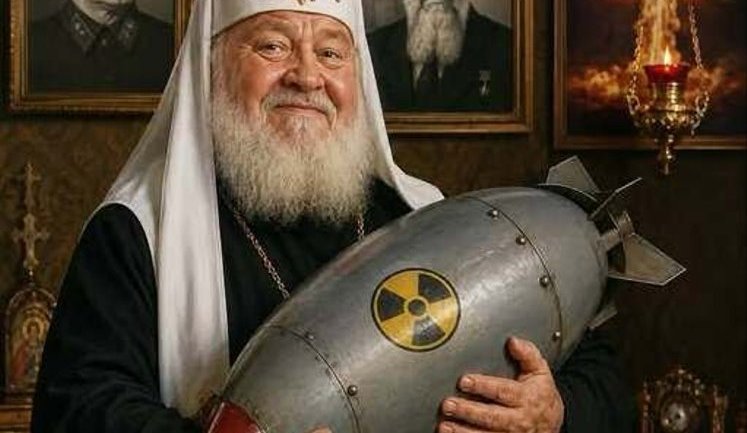
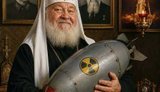 Dialogue with worms, "Spirit of Anchorage," true face of Russian Orthodox Church. Latest photo memes from Censor.NET A Dialogue with Worms Finesse True face of the Russian Orthodox Church 11 914 10 Previously in trend: Political collages
 Peskov’s wife demands lifting of EU sanctions and compensation of over €2 million - Reuters Tatyana Navka, the wife of Russian President Vladimir Putin’s spokesperson Dmitry Peskov, is seeking to have the European Court of Justice lift the sanctions imposed on her following the start of Russia’s full-scale war against Ukraine. In addition, she is demanding that the Council of the... 847 7 Previously in trend: EU sanctions against Russia
Peskov dismisses Zelenskyy’s claim that 30,000 North Korean troops may join war – Russian media The Kremlin has responded to Ukrainian President Volodymyr Zelenskyy’s statement that Russia allegedly plans to deploy another 30,000 North Korean troops in the war against Ukraine. Russian President Vladimir Putin’s spokesperson Dmitry Peskov declined to confirm or deny the information. 2 982 16 Previously in trend: DPRK forces Cooperation between the DPRK and Russia
Russia expects "new proposals" from US on ending war in Ukraine – Kremlin Moscow will wait for new proposals from Washington on a possible end to the war against Ukraine. 3 511 23 Previously in trend: Peace negotiations Ending the war
 What matters to Kremlin is that Kyiv be ready for "settlement" – Peskov reacts to Fedorov’s resignation Kremlin spokesperson Dmitry Peskov said that it makes no difference to Russia who heads Ukraine’s Ministry of Defence. 4 362 30 Previously in trend: New Cabinet Fedorov’s resignation
 Kremlin has responded to Baltic states’ move: Moscow has no intention of proving anything to anyone The Kremlin has responded to the joint protest by the chargé d’affaires of the embassies of Latvia, Estonia and Lithuania in Moscow, emphasising that it has no intention of "proving anything to anyone". 10 249 9 Previously in trend: Russian provocations over the Baltics Drones over Baltic countries
 Russia will create "wider buffer zone" along border with Ukraine, - Peskov Dmitry Peskov, spokesman for dictator Putin, stated that Russia will expand its "buffer zone" with Ukraine due to escalation on Kyiv’s part. 4 692 38 Previously in trend: Peskov claims
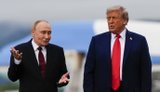 "He is open to listening to Putin": Kremlin has praised Trump for his stance on Ukraine The spokesperson for Russian dictator Vladimir Putin, Dmitry Peskov, described US President Donald Trump’s stance on the war against Ukraine as "consistent". He claims that the presidents agreed that contacts would continue in the near future. 2 178 10 Previously in trend: Trump-Putin negotiations
Peskov stated that "real war" is ongoing in Ukraine due to Western interference The Kremlin has stated that its "special military operation" in Ukraine has already turned into a "full-scale war" because Western countries have become involved in the conflict. 7 080 63 Previously in trend: Peskov claims
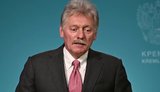 Kremlin has responded to Zelenskyy regarding meeting in Kostiantynivka: Putin is ready to receive him in Moscow The spokesperson for the Russian dictator, Dmitry Peskov, commented on President Volodymyr Zelenskyy’s proposal to meet with Vladimir Putin in Kostiantynivka, in the Donetsk region, stating that Moscow is the capital of the Russian Federation. 8 285 124 Previously in trend: Zelenskyy–Putin meeting
Russia will continue to increase pressure on Ukraine, - Peskov The Kremlin is threatening to "continue putting pressure" on Ukraine in order to achieve its war aims. 5 785 39 Previously in trend: Putin’s threats
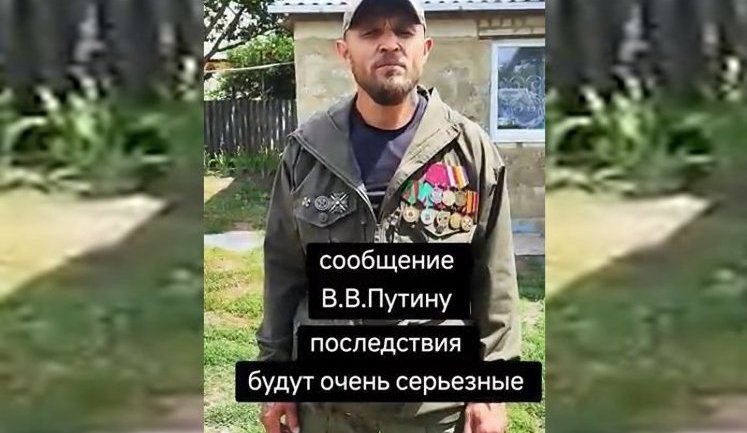
 "Army will turn its weapons against the Kremlin": Ruscist Lunin’s appeal to Putin with threats gains millions of views and reaches Peskov. VIDEO Details have emerged about the identity of a Russian serviceman who claimed that the Russian army could launch an armed uprising against the current authorities. As reported by Censor.NET with reference to an investigation by Agentstvo, the author of the video address to Putin, which gained more... 16 245 79
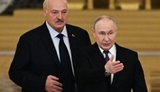 Kremlin denies pressure on Lukashenko to open new front against Ukraine The Kremlin has denied that Russia is pressuring Belarus to open a new front against Ukraine. 1 404 9 Previously in trend: Situation at the border with Belarus Cooperation between Russia and Belarus
There are no agreements regarding negotiations between Russian Federation and Ukraine, - Peskov The Kremlin has stated that there are currently no agreements regarding negotiations with Ukraine. 2 057 24 Previously in trend: Peace negotiations
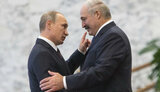 Putin and Lukashenko will discuss Zelenskyy’s "utterly aggressive threats" against Belarus, - Kremlin The Russian dictator Vladimir Putin is set to discuss with the self-proclaimed president of Belarus, Alexander Lukashenko, Ukraine’s demand that the relay stations used to guide Russian drone strikes on Ukraine be dismantled within a week. 5 182 37 Previously in trend: Situation at the border with Belarus Cooperation between Russia and Belarus
 Putin did not receive invitation to meet with Zelenskyy on sidelines of G7 summit or in US, - Kremlin The Kremlin has stated that the Russian dictator Vladimir Putin did not receive an official invitation to meet with Ukrainian President Volodymyr Zelenskyy at the G7 summit in France. 2 366 25 Previously in trend: Zelenskyy–Putin meeting
If Zelenskyy wants serious dialogue, he should go to Moscow, - Peskov. VIDEO The Kremlin has stated that if Volodymyr Zelenskyy wants dialogue, he is welcome to come to Moscow. 6 697 64 Previously in trend: Zelenskyy–Putin meeting
It is difficult to imagine negotiations with Ukraine right now, - Peskov Dmitry Peskov, the spokesperson for the Russian dictator, believes that it is currently difficult to imagine the possibility of negotiations with Ukraine. 3 980 25 Previously in trend: negotiations with Russia
Putin was informed about Zelenskyy’s letter, - Peskov Dmitry Peskov, the press secretary for the Russian dictator, stated that Putin had been briefed on the letter from President Volodymyr Zelenskyy. 4 259 22 Previously in trend: Zelenskyy’s letter to Putin
Kremlin on Zelenskyy’s letter to Putin: "If he wants meeting, let him come to Moscow" The Kremlin has responded to an open letter from Ukrainian President Volodymyr Zelenskyy, in which he proposed a full ceasefire and a direct meeting on neutral territory. 6 218 65 Previously in trend: Zelenskyy–Putin meeting Zelenskyy’s letter to Putin
Page 1 of 12
more news