The term "investigation" has taken center stage in Ukraine, unveiling a series of high-profile cases concerning elite real estate acquisitions and corruption. For instance, the family of Rivne NPP director Tkach, linked to the Mindich tapes, amassed luxury properties and vehicles worth millions. Similarly, Tetiana Koriavchenkova, wife of an MP, sparked controversies with claims about her family's lifestyle abroad. Meanwhile, serious fraud allegations surround families of police officials, pointing to undisclosed incomes and inexplicably opulent lifestyles. Important investigative developments also surfaced regarding significant state losses and procedural misconduct in law enforcement, emphasizing the critical role of investigations in unraveling complex corruption schemes and accountability practices.
What investigation is linked to the Rivne NPP director?
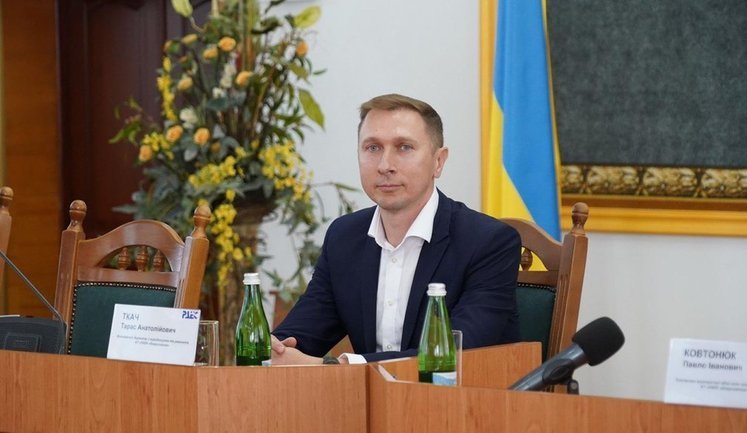
The investigation concerns the family of Rivne NPP director Taras Tkach. They acquired luxury properties and cars despite allegations of illicit activities linked to the Operation Midas recordings, raising suspicion of undeclared wealth and connections to corrupt practices.
What allegations are faced by National Police official Artem Shevchyshen?
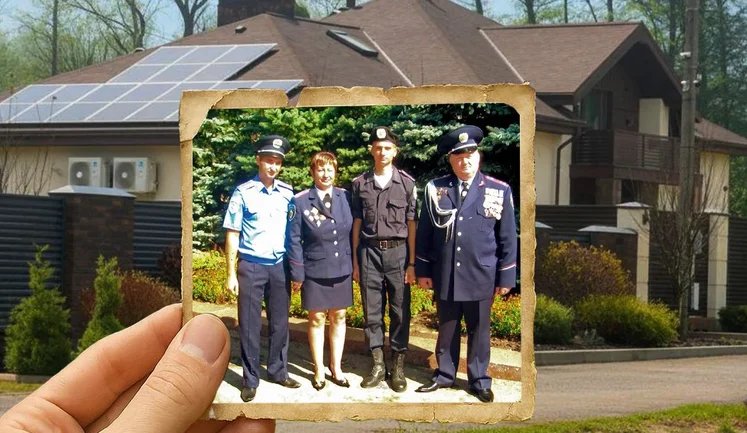
Artem Shevchyshen's family is under scrutiny following the purchase of luxury apartments. There are also concerns regarding undisclosed incomes and his wife's promotion of a questionable financial scheme, suggesting possible conflicts and ethical breaches.
Are there ongoing investigations into Ukraine's government officials?
Yes, numerous investigations are targeting government officials in Ukraine for corruption and misuse of funds. Agencies like the SBI and NABU are actively involved in bringing light to these allegations and pursuing legal actions against those involved.
What investigation implicates Yurii Koriavchenkov's family?
Yurii Koriavchenkov, a Ukrainian MP, faces scrutiny after an investigation revealed discrepancies in declared business activities during purported trips abroad, including alleged misuse of public resources, which prompted public and legal interest in the case.
What role do international bodies play in Ukrainian investigations?
International bodies such as Eurojust play crucial roles in supporting Ukrainian civilian and military investigations, offering expertise and facilitating cross-border cooperation, especially in cases involving war crimes and international audits of corruption.
What is the impact of these investigations on Ukraine's fight against corruption?
These investigations underscore Ukraine's ongoing battle against corruption, highlighting the government's commitment to transparency and accountability. They help identify and prosecute corrupt actors, reinforce legal frameworks, and build public confidence.
How do these investigations affect Ukraine's public perception abroad?
Ukraine's efforts to address corruption through thorough investigations enhance its image as a nation committed to reform and the rule of law, positively influencing international opinions and fostering potential foreign investments and collaborations.